
What Happened: The Core Developments
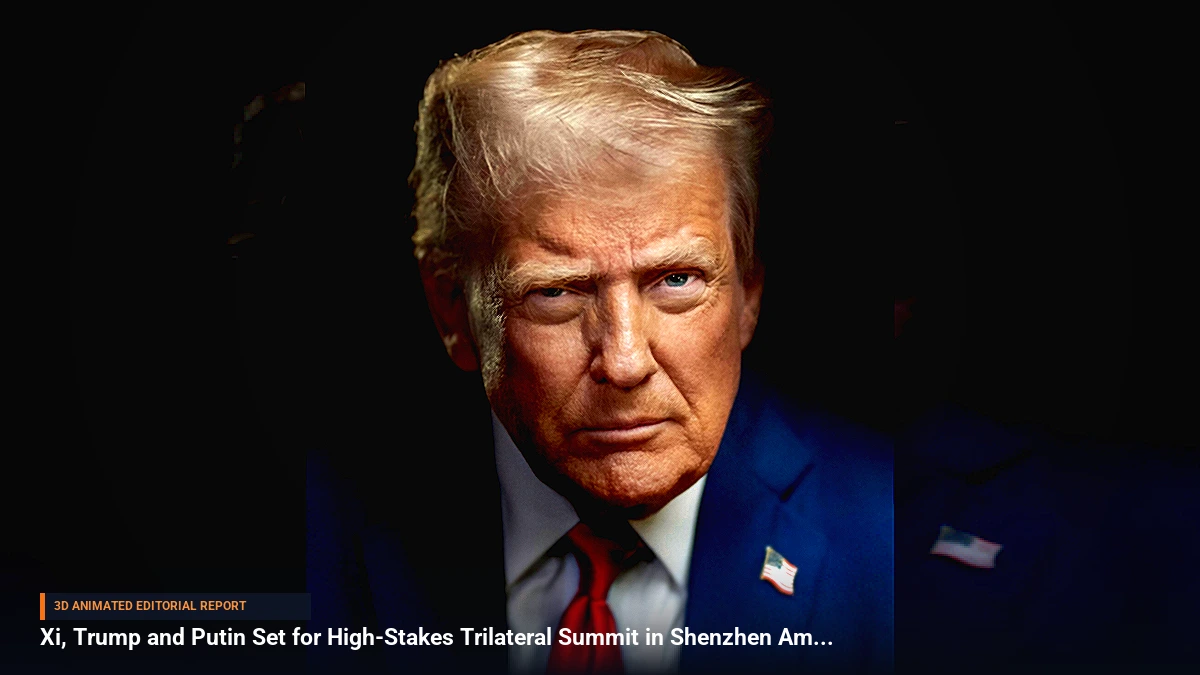
In a diplomatic development of monumental proportions, leaders of the world's premier superpowers are convening in the southern Chinese tech hub of Shenzhen. Chinese President Xi Jinping, US President Donald Trump, and Russian President Vladimir Putin are scheduled to hold unprecedented trilateral talks on the sidelines of the Asia-Pacific Economic Cooperation (APEC) summit. According to the Chinese foreign ministry, the agenda will encompass topics of "groundbreaking significance," chief among them being the safeguarding of world peace and international stability.
The timing of the summit has heightened its global gravity. Just hours before the high-level meetings commenced, Ukraine launched a daring strike on the strategic Crimean Bridge, successfully destroying a central road section and dealing a symbolic blow to Moscow. Meanwhile, on the diplomatic front, President Trump has openly expressed a willingness to explore potential meetings with North Korean leader Kim Jong Un while in the region, adding another layer of unpredictability to Asian security dynamics.
Background & Key Context
The Shenzhen trilateral represents a dramatic convergence of geopolitical interests and rivalries. Beijing has steadily positioned itself as a central global powerbroker, orchestrating major multilateral dialogues that bring together competing world leaders. While official statements have stopped short of detailing a rigid agenda, international observers note that discussions will likely touch upon nuclear non-proliferation, global trade frameworks, and shifting security architectures across Eurasia.
Simultaneously, technological frictions continue to cast a shadow over US-China relations. Beijing enters these diplomatic engagements harboring deep concerns that an unfolding Nvidia espionage scandal could intensify political pressure within Washington, potentially triggering even tighter US restrictions on the export of advanced artificial intelligence semiconductors to Chinese markets.
Key Takeaways
- Unprecedented Trilateral Talks: Xi Jinping, Donald Trump, and Vladimir Putin are meeting face-to-face in Shenzhen during the Apec summit.
- Core Agendas: Chinese officials confirm talks will address world peace and strategic stability, though specific policy outcomes remain unannounced.
- Geopolitical Shockwaves: The summit coincides with a major Ukrainian military strike that destroyed a central road section of the Crimean Bridge.
- Regional Diplomacy: President Trump has signaled openness to potential diplomatic engagements with North Korean leader Kim Jong Un during his Asian trip.
- Tech Vulnerabilities: Ongoing concerns regarding an Nvidia spy scandal threaten to complicate semiconductor trade negotiations between Washington and Beijing.
Impact, Analysis & Global/National Reactions
Global markets and foreign policy analysts are scrutinizing the Shenzhen summit for signals of shifting global alliances. By bringing Trump and Putin to the same negotiating table under Chinese hospitality, Beijing aims to project an image of indispensable global leadership. However, western allies remain wary of a united front formed by the three nuclear-armed states, particularly given the ongoing conflict in Eastern Europe.
The destruction of the Crimean Bridge just prior to the talks has injected immediate urgency into discussions surrounding regional conflicts. Analysts suggest that Moscow's willingness to engage in trilateral diplomacy underscores Russia's desire to anchor its foreign policy within an assertive Eurasian framework, even as its infrastructure faces mounting wartime pressures.
What's Next: Looking Ahead
As the Apec summit proceeds in Shenzhen, international monitors will be watching closely for any concrete communiqués or bilateral side-agreements emerging from the Trump-Xi-Putin meetings. Key indicators to monitor include potential announcements regarding arms control frameworks, bilateral trade concessions, and any formal updates on regional denuclearization efforts. Furthermore, any subsequent movement regarding US chip export controls in the wake of the Nvidia controversy will serve as a crucial test of whether diplomatic handshakes in Shenzhen can translate into lasting technological truces.



Be the first to comment
Start a useful conversation around this story.