
What Happened: The Core Developments
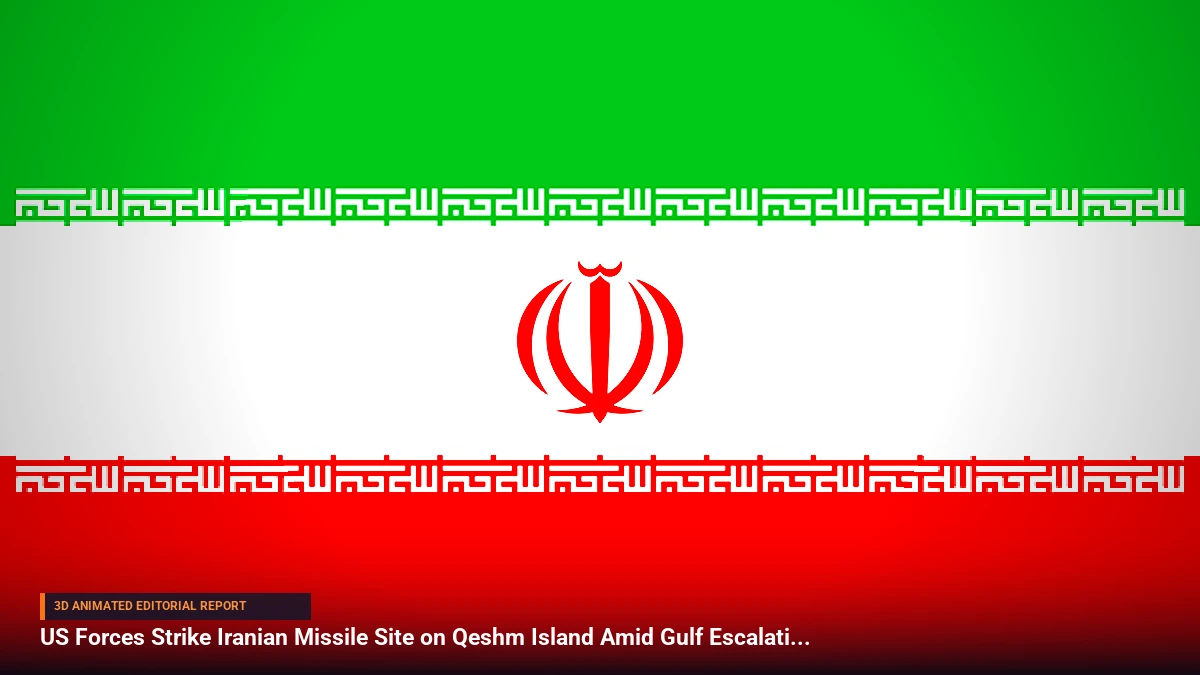
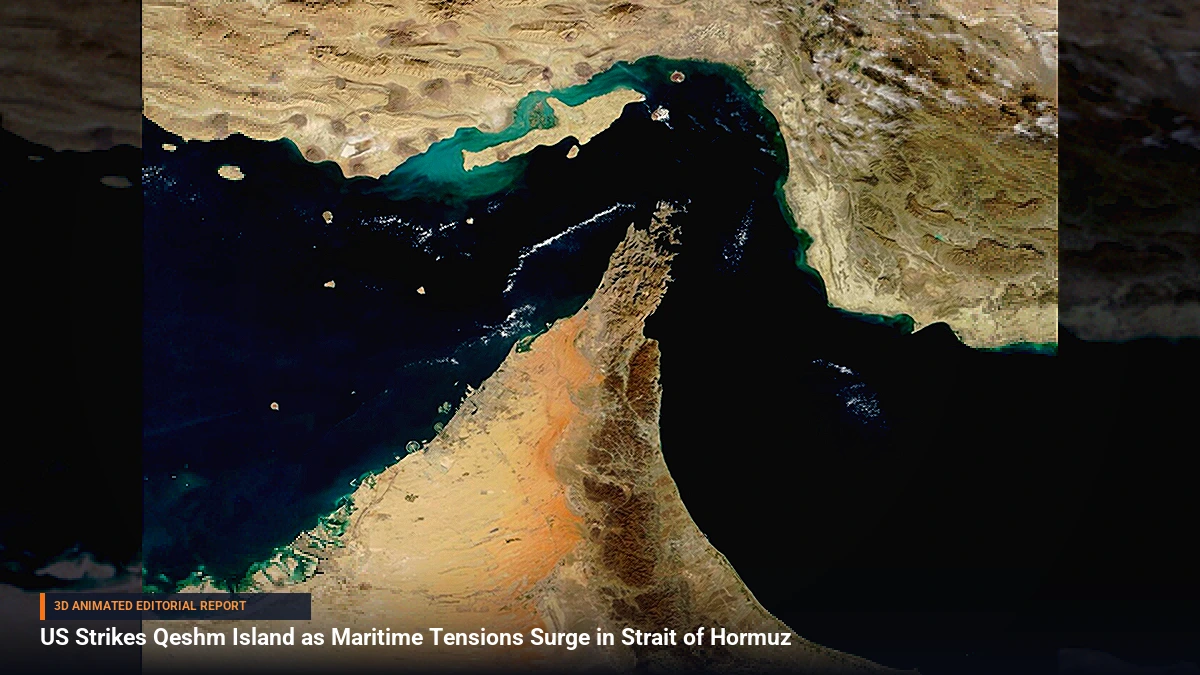
In a sharp escalation of hostilities in the Middle East, United States military forces launched targeted air strikes against an Iranian missile site situated on Qeshm Island. Confirmed by U.S. officials, the operation deployed warplanes to neutralize critical missile infrastructure positioned near the vital maritime chokepoint of the Strait of Hormuz.
Simultaneously, the shockwaves of the military action rippled rapidly across the Gulf states. Neighboring Kuwait reported successfully intercepting hostile drone attacks, highlighting the immediate spillover risks facing regional allies. Security apparatuses across the region have been placed on high alert as defensive systems actively counter aerial threats linked to the spiraling confrontation.
Background & Key Context
Qeshm Island, located in the Strait of Hormuz, holds profound strategic importance. It commands one of the world's most critical oil transit corridors, through which a massive percentage of global petroleum supplies passes daily. The positioning of Iranian missile systems and defense infrastructure on and around the island has long been a focal point of strategic anxiety for Washington and its Gulf partners.
Over recent months, friction points between the United States and Iran have steadily multiplied, stretching diplomatic channels thin. The decision by U.S. planners to target the Qeshm Island site underscores a growing zero-tolerance posture toward offensive military capabilities that threaten international shipping lanes and regional stability.
Key Takeaways
- Targeted Action: U.S. warplanes struck an active Iranian missile site located strategically on Qeshm Island.
- Strait of Hormuz Focus: The strikes directly target military assets near the world's most vital petroleum transit corridor.
- Regional Spillover: Kuwaiti defense forces reported intercepting hostile drone attacks in the wake of the American operation.
- Heightened Alert: Gulf nations and international observers have elevated regional security protocols to counter potential asymmetric retaliations.
- Strategic Rationale: Washington frames the military actions as necessary self-defense measures to protect regional assets and open sea lanes.
Impact, Analysis & Global/National Reactions
The latest military exchange marks a dangerous inflection point for Middle Eastern geopolitics. Defense analysts note that targeting assets directly on Iranian territory or near crucial waterways significantly raises the ceiling of potential conflict, moving beyond proxy engagements into direct state-level friction.
Regional partners like Kuwait and Bahrain find themselves on the front lines of defense, forced to activate advanced interceptor networks to safeguard civilian infrastructure and military installations. While Western capitals emphasize the defensive nature of these preemptive and reactive strikes, international bodies continue to urge maximum restraint to prevent a full-scale regional conflagration that could devastate global energy markets.
What's Next: Looking Ahead
As intelligence agencies assess the precise extent of the damage inflicted on the Qeshm Island missile site, military planners remain vigilant for potential asymmetric responses from Tehran or its aligned regional networks. International shipping authorities are closely monitoring maritime traffic through the Strait of Hormuz, while diplomatic backchannels work frantically to de-escalate tensions before further kinetic exchanges destabilize the broader region.




Be the first to comment
Start a useful conversation around this story.