
What Happened: The Core Developments
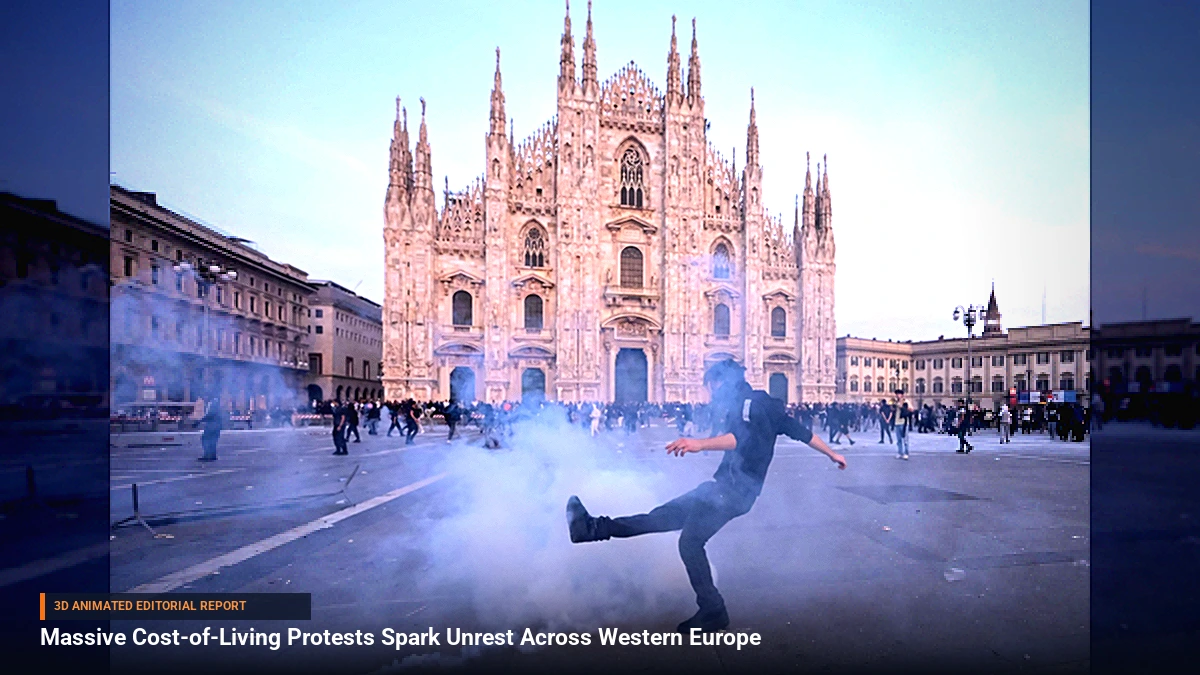
A wave of synchronized civil unrest has swept across Western Europe, with hundreds of thousands of citizens flooding public squares and transit hubs in Belgium, Italy, Portugal, and France. The demonstrations, driven by mounting frustration over the escalating cost of living, quickly escalated into intense confrontations with law enforcement in several major urban centers.
While protests in Belgium, Italy, and Portugal maintained varying degrees of organizational structure, the situation in France deteriorated rapidly. Demonstrations there devolved into violent clashes, widespread fires, and severe structural damage. Most notably, the historic Limoges Town Hall—a civic landmark that had famously survived the devastation of world wars—was destroyed during the rioting. Concurrently, high-end commercial districts experienced targeted looting, with luxury storefronts belonging to brands like Hermès and Apple ransacked by opportunistic groups amid the chaos.
Background & Key Context
For months, persistent inflation, high energy costs, and stagnant wages have eroded household purchasing power across the Eurozone. Despite various national interventions and European Central Bank monetary policies, working-class and middle-class families have felt an intensifying squeeze on basic necessities, housing, and utilities.
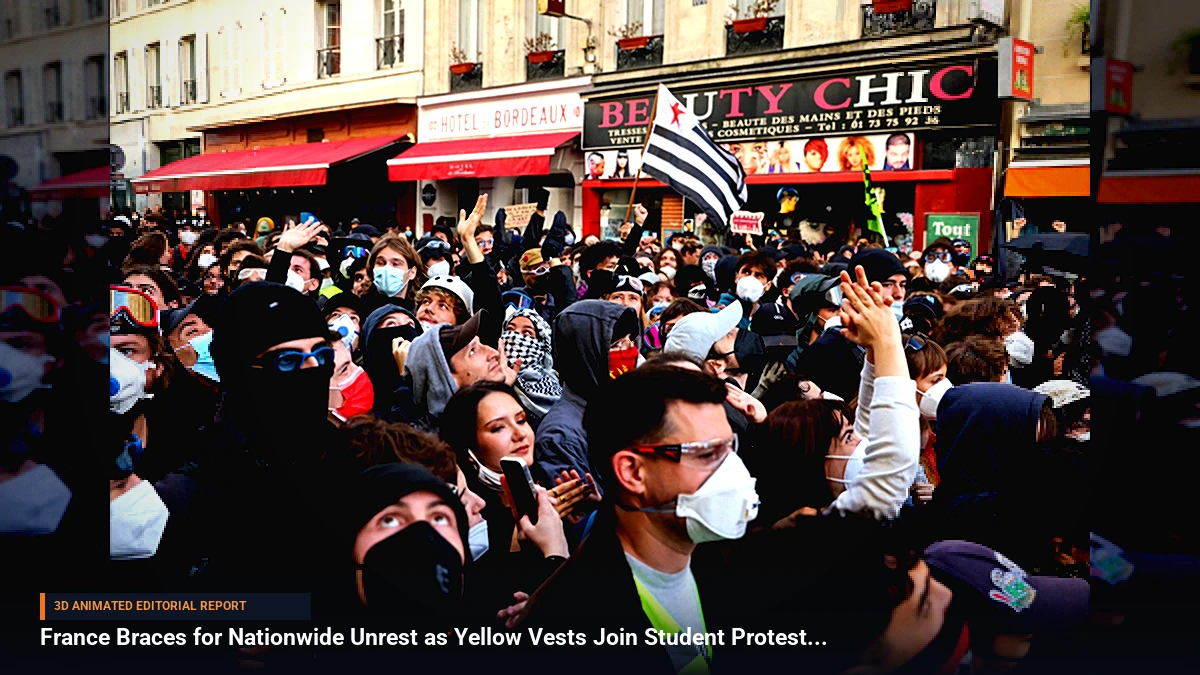
This economic pressure has catalyzed a rare convergence of disparate activist groups. In France, the resurgence of the iconic "yellow vests" (gilets jaunes)—who previously paralyzed the nation during the 2018–2019 fuel tax protests—joined forces with organized student demonstrations. This alliance bridges generational and socio-economic divides, fusing youth-led climate and education grievances with broader blue-collar and middle-class economic anxieties.
Key Takeaways
- Cross-National Scale: Protests simultaneously paralyzed major cities in Belgium, Italy, Portugal, and France, engaging hundreds of thousands of participants.
- Severe Escalation in France: French demonstrations turned violent, resulting in widespread structural fires, the destruction of the historic Limoges Town Hall, and luxury store looting.
- Unusual Coalitions: The protests notably united veteran "yellow vest" activists with student demonstrators, creating a formidable, multi-generational opposition front.
- Systemic Pressure on EU Leadership: The coordinated unrest places intense political pressure on European capitals and Brussels to address underlying macroeconomic distress.
- Economic Drivers: Soaring inflation, energy costs, and the general cost-of-living crisis remain the primary catalysts behind the widespread public anger.
Impact, Analysis & Global/National Reactions
The simultaneous eruption of unrest across multiple EU member states signals a dangerous new phase of post-pandemic and inflation-driven discontent. Analysts note that European governments are trapped between strict fiscal constraints and the urgent necessity to quell domestic instability through targeted social spending or tax relief.
Political commentators have highlighted the return of the yellow vest movement as a worrying indicator for incumbent administrations. By absorbing student movements into their ranks, the protesters have demonstrated an ability to mobilize diverse demographics that traditional political opposition parties struggle to corral.
"The convergence of students and blue-collar movements points to a systemic breakdown in social trust," noted one regional socioeconomic analyst. Governments now face the delicate task of restoring public order without appearing entirely indifferent to the severe economic hardships fueling the protests.
What's Next: Looking Ahead
As cleanup efforts begin in French cities and authorities assess the physical and economic damages, attention shifts to national parliaments and the European Commission. Governments in Paris, Rome, Lisbon, and Brussels are under immediate pressure to unveil emergency relief packages or policy adjustments to appease public anger before winter deepens.
Failure to offer credible economic solutions risks transforming these episodic demonstrations into a prolonged campaign of civil disobedience, potentially destabilizing regional governance and forcing central banks to re-evaluate their monetary tightening trajectories.



Be the first to comment
Start a useful conversation around this story.