
What Happened: The Core Developments
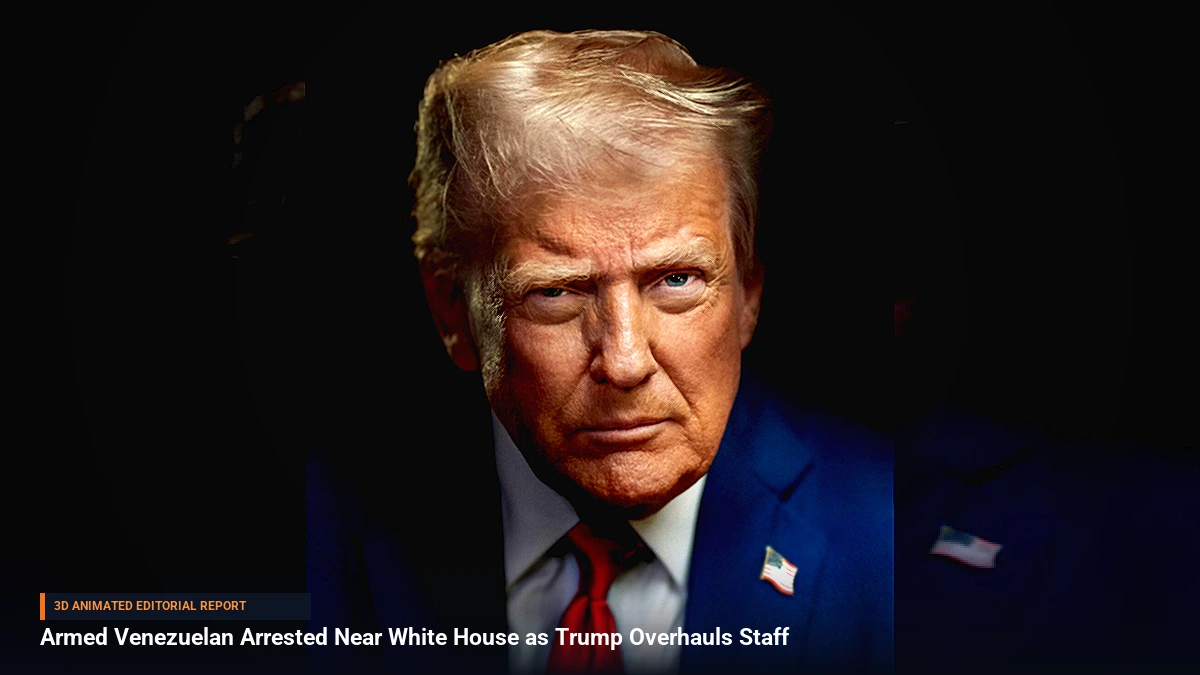
The U.S. Secret Service apprehended a Venezuelan man, identified as Ronny Yordrix Guanipa Chrinos, near the White House on a Thursday evening. Law enforcement officials approached the suspect after observing suspicious behavior from a parked vehicle in close proximity to the executive mansion. A subsequent search of the vehicle revealed multiple firearms and ammunition.
According to Department of Homeland Security statements and law enforcement reports, Guanipa Chrinos made alarming statements during questioning. He informed officers that he heard voices in his head directing him to travel to the nation's capital specifically to assassinate President Donald Trump. The rapid intervention by Secret Service personnel averted what could have been a critical security breach.
Background & Key Context
The security scare unfolds against a backdrop of sweeping political tension in Washington. President Donald Trump has faced mounting pressure following severe setbacks in the midterm elections, which resulted in the opposition securing control of both chambers of Congress. Amidst the legislative fallout and a public reckoning over recent administration policies and foreign escalations, President Trump announced a significant restructuring of his inner circle.
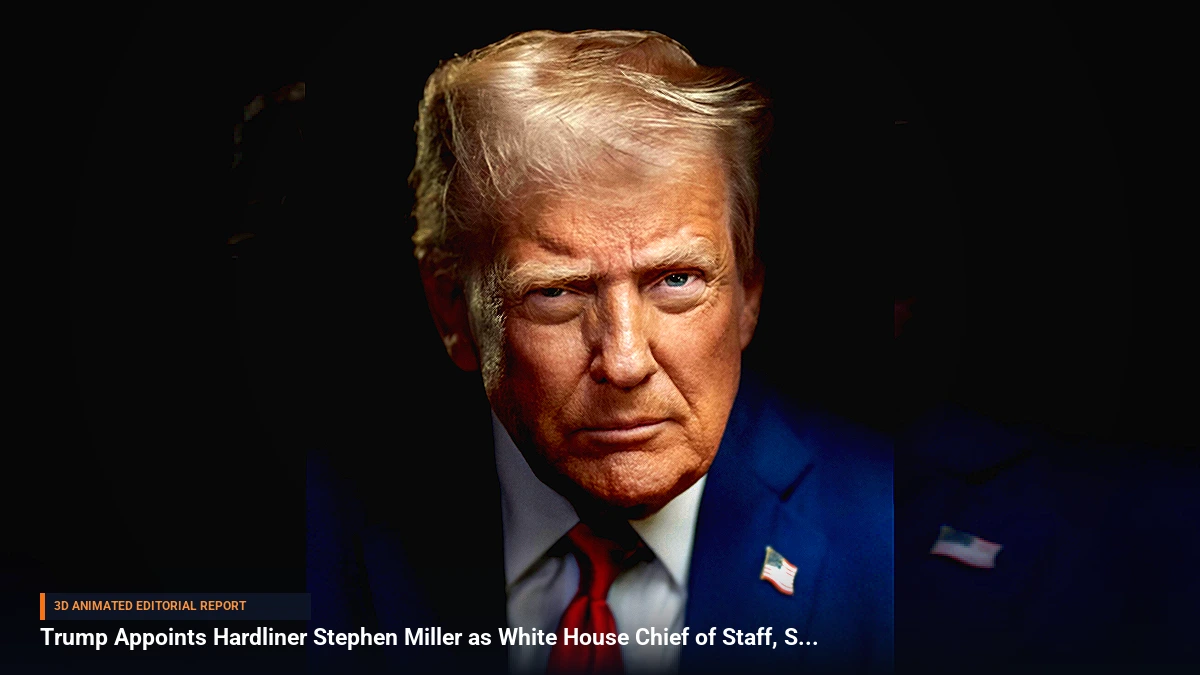
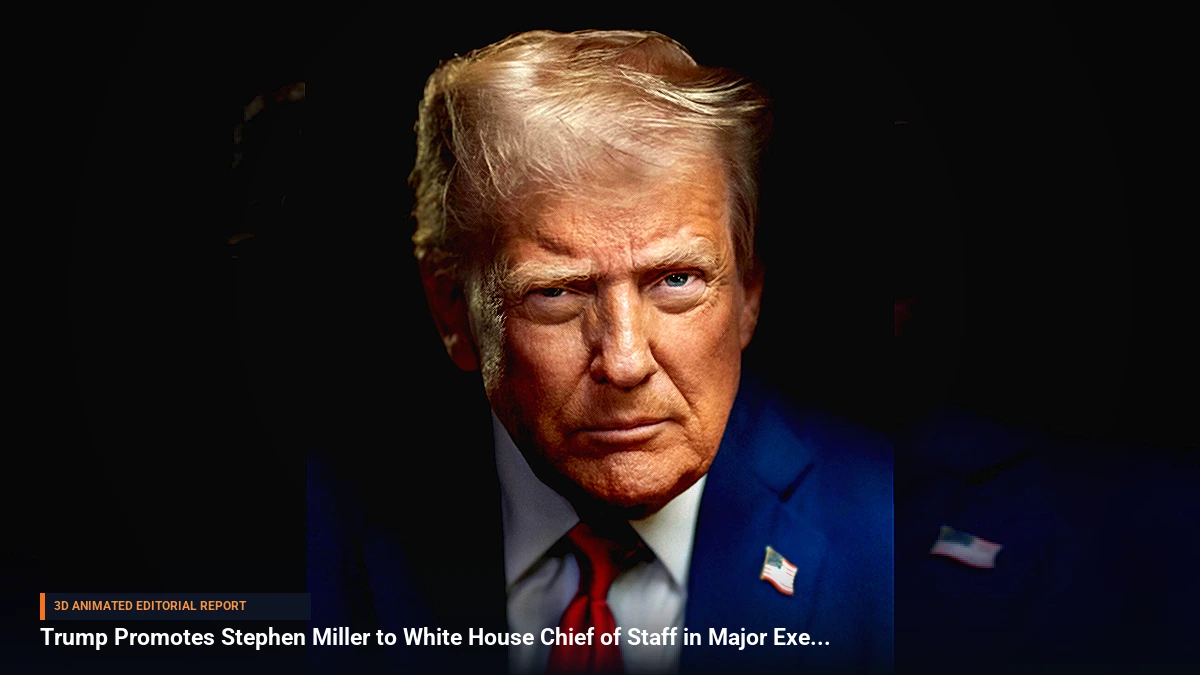
Susie Wiles, who made history as the first woman to serve as White House Chief of Staff, is exiting her post. In her place, Trump has tapped Stephen Miller, a longtime senior adviser and the primary architect of the administration's aggressive immigration agenda. This appointment leaves the core White House leadership team overwhelmingly male and signals an intensified focus on hardline border enforcement and executive consolidation.
Key Takeaways
- Secret Service Apprehension: Ronny Yordrix Guanipa Chrinos was arrested near the White House after officers noticed a suspiciously parked vehicle.
- Weapons Recovered: Multiple firearms and associated ammunition were retrieved from the suspect's vehicle during the search.
- Assassination Threat: The suspect explicitly told authorities that auditory hallucinations compelled him to come to Washington to kill President Trump.
- Chief of Staff Departure: Susie Wiles has stepped down from her role as White House Chief of Staff following midterm election losses.
- Stephen Miller Elevation: Immigration hardliner Stephen Miller has been appointed by President Trump to replace Wiles, signaling a shift toward confrontational governance.
Impact, Analysis & Global/National Reactions
The simultaneous occurrence of a direct security threat at the executive mansion and a profound internal administration reshuffle has drawn intense scrutiny from national security analysts and political commentators alike. The arrest highlights persistent vulnerabilities surrounding perimeter security and the ongoing challenges federal agencies face regarding individuals experiencing acute mental distress coupled with access to weaponry.
Simultaneously, the ouster of Wiles and the promotion of Miller have galvanized political reactions across the spectrum. Democratic leaders view the staff shakeup as a doubling-down on divisive policies following a clear electoral rebuke. Conversely, administration loyalists argue that Miller's elevation provides the necessary ideological clarity and aggressive tactical posture required as the White House prepares for intense legislative battles and renewed oversight initiatives from Capitol Hill.
What's Next: Looking Ahead
Federal prosecutors and the U.S. Secret Service are continuing their investigation into Guanipa Chrinos to determine the full extent of his movements, assess potential co-conspirators, and evaluate his mental competency to stand trial. Formal federal charges are expected to be vigorously pursued in the coming days.
On the political front, Stephen Miller's transition into the chief of staff role will be closely watched by lawmakers, immigrant advocacy groups, and business sectors reliant on labor. As the administration recalibrates its strategy following the midterm defeats, Washington braces for a period of heightened legislative gridlock and aggressive executive maneuvering.



Be the first to comment
Start a useful conversation around this story.