
What Happened: The Core Developments
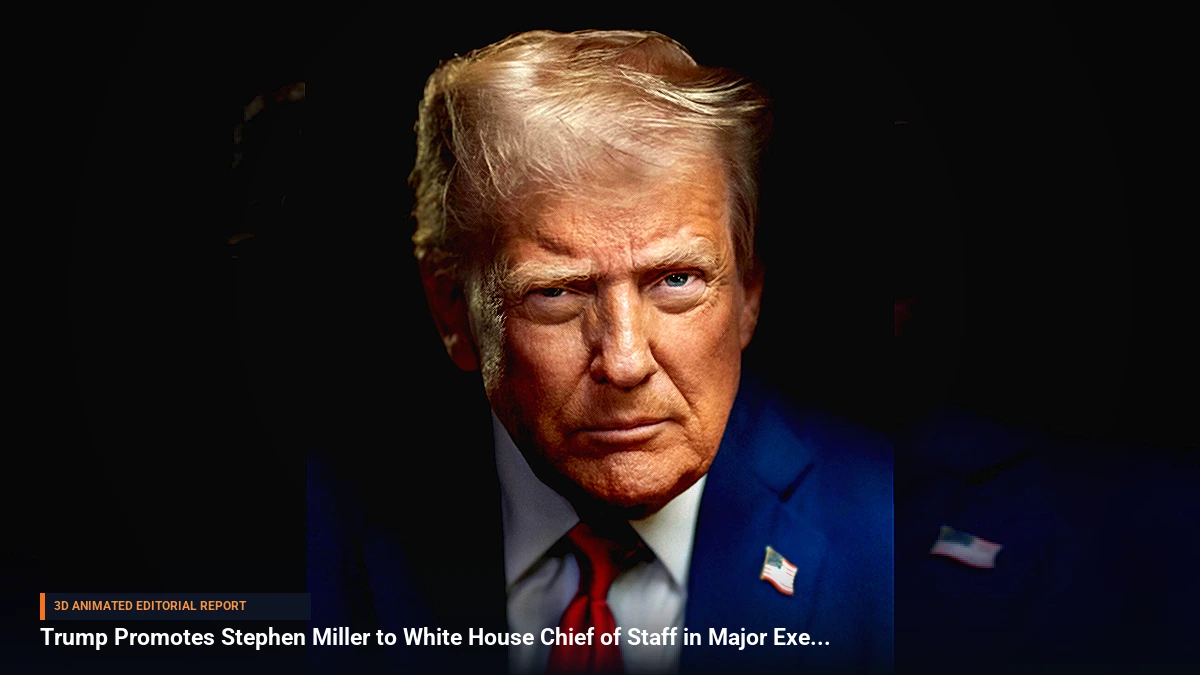
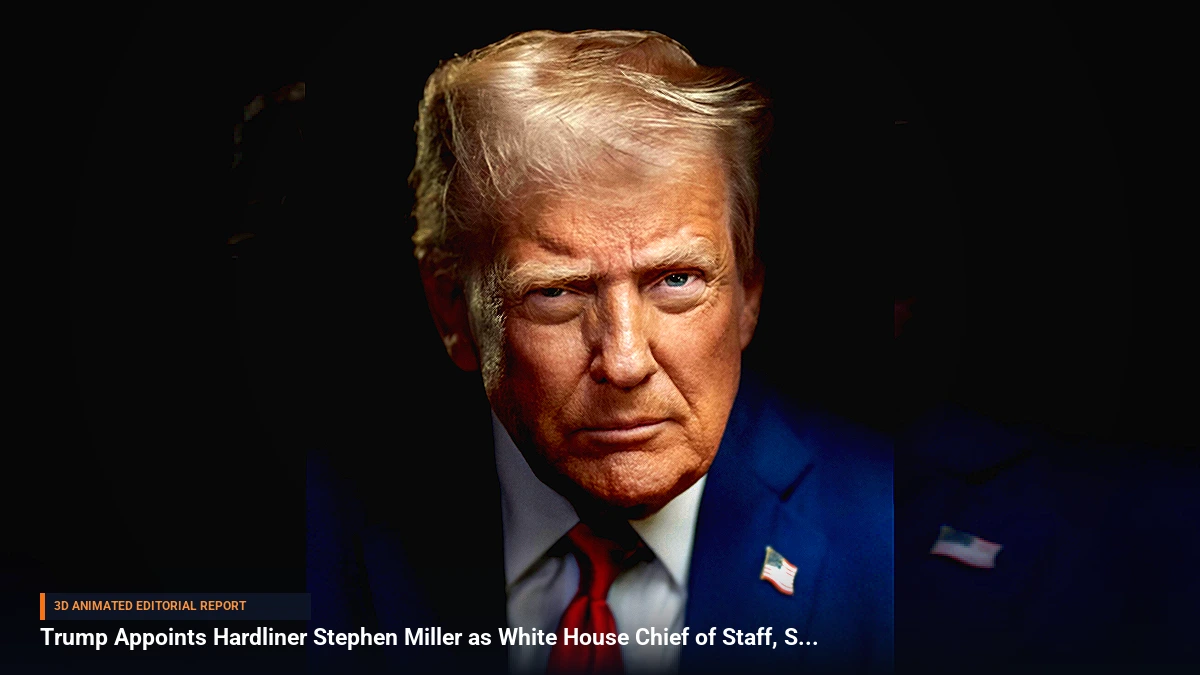
US President Donald Trump has initiated a major executive reshuffle by promoting long-time aide and immigration firebrand Stephen Miller to the role of White House Chief of Staff, succeeding Susie Wiles. The announcement comes in the immediate wake of challenging U.S. midterm elections that saw the ruling party suffer notable losses.
Rather than pivoting toward compromise, the selection of Miller—widely regarded as the architect of the administration's most aggressive domestic policies—suggests a pivot toward a defensive, highly centralized, and confrontational political strategy. Observers note that the transition marks the end of Wiles' tenure, bringing an uncompromising loyalist directly into the nerve center of West Wing operations.
Background & Key Context
Stephen Miller has remained one of Donald Trump's most enduring and influential inner-circle advisors since the 2016 campaign. Known primarily for his uncompromising stances on national security, border control, and extensive immigration enforcement measures, Miller has consistently driven the administration's hardline agenda.
The leadership shakeup also follows a bruising electoral cycle. Trump's party faced a sharp political reckoning in the midterms, compounded by public debates surrounding the political and economic impacts of recent foreign policy actions, including the conflict involving Iran. Faced with resurgent Democratic opposition vowing to rein in executive authority, the administration is drawing its lines firmly in the sand.
Key Takeaways
- Leadership Transition: Stephen Miller replaces Susie Wiles as White House Chief of Staff.
- Ideological Shift: The promotion elevates a key architect of mass deportations and strict immigration curbs to the highest administrative post.
- Midterm Fallout: The executive overhaul directly follows electoral setbacks for Trump’s party in the midterm elections.
- Confrontational Outlook: Political analysts view the move as a clear signal of impending clashes with a newly emboldened Congress.
- Industry Concerns: Business sectors heavily reliant on immigrant labor have expressed fresh alarm over the intensification of enforcement priorities.
Impact, Analysis & Global/National Reactions
The choice of Miller has immediately polarized Washington insiders and external stakeholders. Proponents view the appointment as a necessary consolidation of ideological discipline, ensuring that the president's core mandates are executed without internal bureaucratic resistance.
Conversely, critics and industry associations have sounded alarms. Various business groups—particularly those reeling from existing immigration restrictions—warn that elevating Miller could exacerbate labor shortages and deepen economic friction. Meanwhile, Democratic lawmakers, galvanized by midterm gains, have vowed to use their legislative oversight powers to aggressively challenge the administration's domestic and foreign trajectories.
What's Next: Looking Ahead
As Stephen Miller takes the reins of West Wing operations, all eyes turn toward Capitol Hill. Upcoming legislative battles over budget allocations, immigration enforcement funding, and foreign policy oversight promise high drama. With both the executive branch and resurgent legislative opponents digging in for protracted fights, the political landscape is set for heightened institutional friction in the months leading toward the next major policy deadlines.



Be the first to comment
Start a useful conversation around this story.