
What Happened: The Core Developments
Tensions across the Arabian Peninsula have escalated sharply as Houthi forces aggressively push to seize control of strategic highland terrain within Yemen. In response to the mounting security threat, both Yemen and Saudi Arabia officially appealed for external military intervention and support to counter the defiant militant faction.
However, the international response to these urgent pleas has revealed a notable divergence in strategy among Western allies. While British leadership stepped forward to offer targeted logistical and tactical backing, reports emerged indicating that the United States abruptly halted planned military airstrikes against Houthi targets at the very last minute, reflecting a sudden shift or hesitation at the highest levels of American decision-making.
Background & Key Context
The ongoing conflict in Yemen has long served as a critical geopolitical flashpoint, drawing in regional powers and international stakeholders alike. The Houthi movement's persistent campaigns to dominate crucial territorial corridors have continually threatened regional stability and vital international shipping lanes.
Historically, Riyadh and its regional partners have relied on Western defense partnerships to mitigate cross-border attacks. The latest requests for military aid underscore the persistent vulnerability faced by regional infrastructure and populations, even as global superpowers weigh the risks of deeper direct military entanglement in a protracted and complex theater of conflict.
Key Takeaways
- Escalating Ground Activity: Houthi forces have intensified their push to capture strategic highland territories inside Yemen.
- Regional Pleas: Both Yemen and Saudi Arabia formally requested military assistance from Western allies to counter the threat.
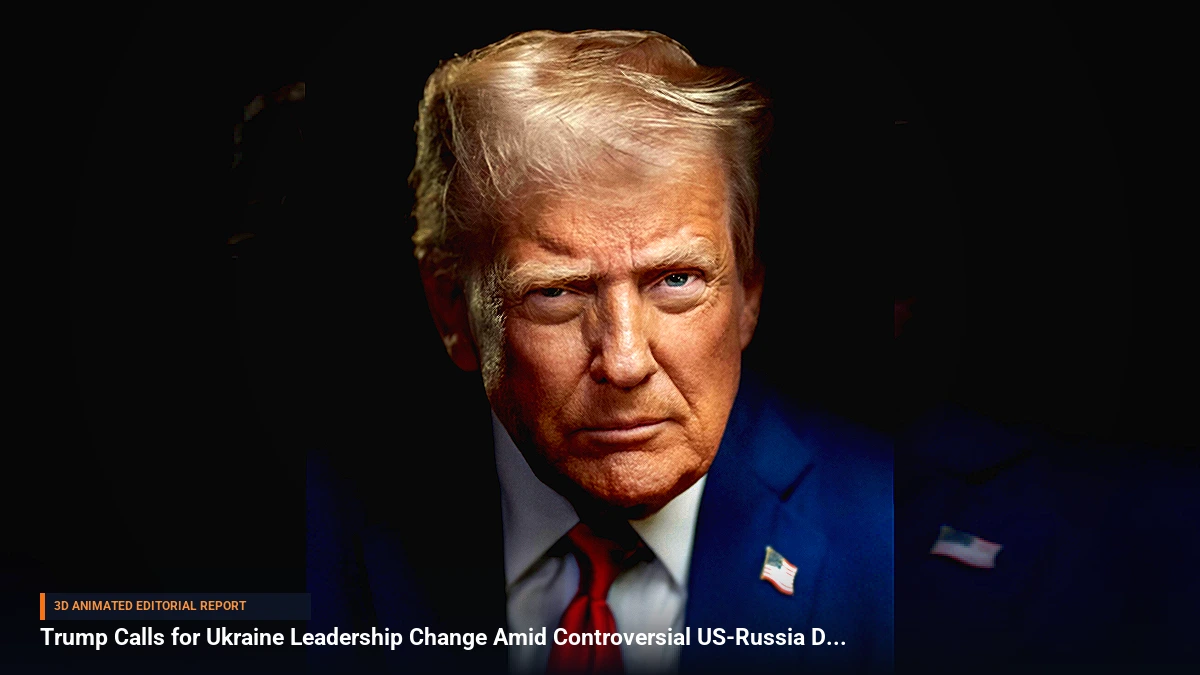
- American Hesitation: Reports indicate that US President Donald Trump stepped back from executing planned retaliatory airstrikes at the final hour.
- British Commitment: The United Kingdom announced it will deliver defensive military support to Saudi Arabia, specifically including air-to-air refuelling capabilities.
- Allied Divergence: The contrasting reactions highlight a growing complexity in how Western powers choose to manage escalating security crises in the Middle East.
Impact, Analysis & Global/National Reactions
The divergence between Washington's apparent restraint and London's proactive defensive posture has sparked intense debate among geopolitical analysts and defense experts. The decision by the UK government to provide targeted logistical backing—such as defensive air-to-air refuelling—signals a steadfast commitment to traditional security partnerships in the Gulf.
Conversely, the reported last-minute U.S. pullback suggests a complex internal calculus regarding the risks of mission creep, direct kinetic escalation, and broader strategic priorities. Observers note that while regional allies view decisive military intervention as essential for deterrence, major Western capitals remain deeply cautious about becoming enmeshed in volatile ground campaigns without a clear exit strategy.
What's Next: Looking Ahead
As Houthi forces continue their tactical movements across Yemen's highlands, diplomatic and military planners are racing to recalibrate their approaches. Riyadh and Washington will likely engage in high-level consultations to address security guarantees and intelligence sharing.
Meanwhile, implementation of the UK's defensive support package will be closely monitored by international observers to gauge its effectiveness in blunting cross-border strikes. The coming weeks will test whether allied restraint or targeted defensive posture can successfully stabilize a rapidly shifting security landscape.


Be the first to comment
Start a useful conversation around this story.