
What Happened: The Core Developments
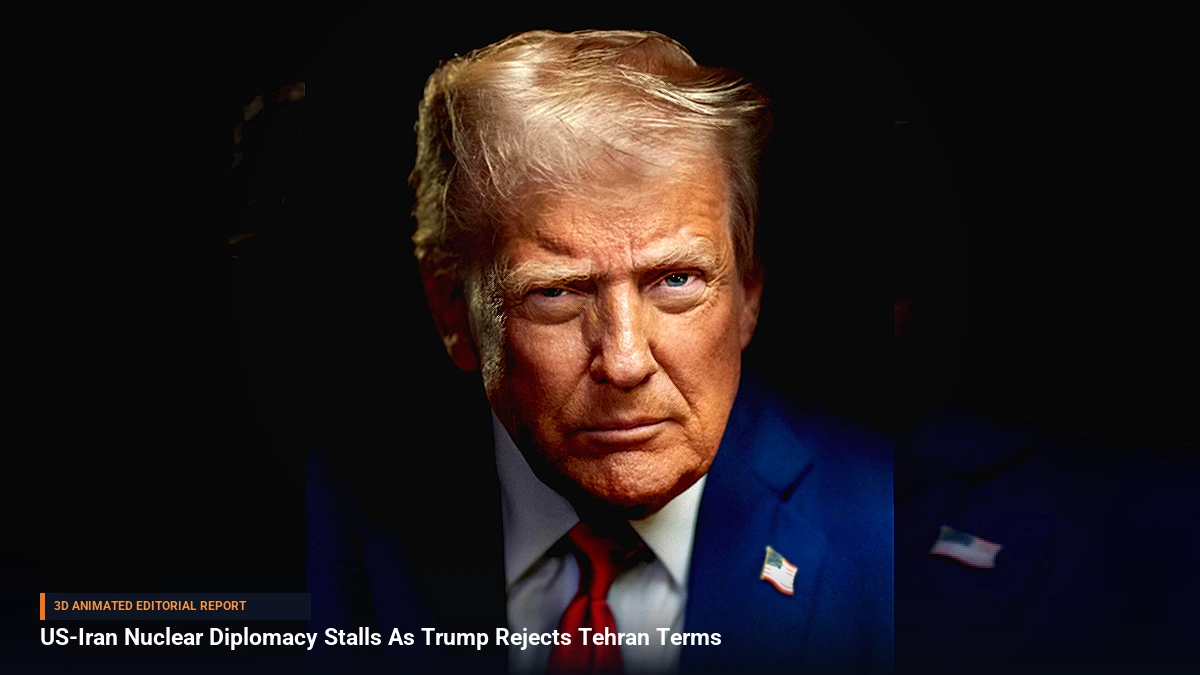
High-stakes diplomacy between Washington and Tehran has reached a critical impasse. Iranian Foreign Minister Abbas Araqchi recently stated that Iran remains eager to utilize diplomatic channels to bring an end to the ongoing conflict. However, this overture met sharp resistance from the United States. U.S. President Donald Trump publicly declared that the conditions proposed by Tehran are completely unacceptable, insisting that any future accord must be a comprehensive, permanent pact designed to permanently dismantle Iran's capacity to develop nuclear weapons.
Simultaneously, international mediators report that direct and indirect negotiations are deeply deadlocked. At the heart of the standoff is a contentious dispute over uranium enrichment parameters. While mediators have attempted to bridge the gap, deep-seated mistrust and incompatible baseline requirements continue to threaten a resurgence of regional hostilities.
On the domestic front, the political battle lines are sharply drawn. U.S. Senate Republicans acted decisively to block a war powers resolution targeting Iran, effectively providing a legislative shield for President Trump’s foreign policy framework and signaling unified partisan backing for his hardline stance.
Background & Key Context
The friction between Washington and Tehran is rooted in years of escalating tensions surrounding Iran’s nuclear program, previous withdrawals from landmark international agreements, and a persistent cycle of sanctions and military posturing. Past diplomatic frameworks have repeatedly fractured over the exact scope of permissible nuclear activities, particularly uranium enrichment levels that Western intelligence agencies view as dangerously close to weapons-grade thresholds.
In recent months, renewed international mediation efforts sought to capitalize on war-weariness and economic pressures to force both sides back to the negotiating table. However, Tehran's insistence on retaining specific regional flexibilities and domestic nuclear capabilities has consistently clashed with Washington's demand for absolute, permanent containment.
Key Takeaways
- Diplomatic Standoff: Iranian Foreign Minister Araqchi voiced an official desire for diplomatic solutions, but Washington immediately rebuffed the terms.
- Trump's Hardline Demand: President Trump insists on a permanent, airtight deal to permanently block Iran from acquiring nuclear weapons.
- Uranium Enrichment Dispute: Technical negotiations remain severely stalled over the permissible limits of Iran's uranium enrichment programs.
- Legislative Backing: U.S. Senate Republicans blocked a war resolution targeting Iran, solidifying domestic political support for the White House's strategy.
- Mediator Warnings: International intermediaries warn that the failure to find common ground risks triggering a renewed cycle of open conflict in the region.
Impact, Analysis & Global/National Reactions
The collapse of the latest diplomatic overtures carries profound implications for global security, energy markets, and Middle Eastern stability. Analysts note that President Trump's insistence on a "permanent deal" creates a high-stakes binary choice for Tehran: accept sweeping, foundational concessions on its domestic atomic infrastructure or face prolonged economic isolation and the persistent threat of military escalation.
Institutional responses from international bodies and regional observers highlight growing anxiety. Mediators fear that the prolonged deadlock leaves little room for maneuver, rendering back-channel communications increasingly fragile. By blocking the Senate war resolution, congressional allies have ensured that the executive branch retains unhindered strategic latitude, though critics argue this removes crucial constitutional guardrails against unintended military escalation.
What's Next: Looking Ahead
As formal talks remain frozen, international focus turns to whether back-channel negotiators can formulate a modified framework that satisfies Washington's security demands without forcing total capitulation from Tehran. Markets and international monitors will closely watch for any shifts in uranium enrichment activities or new emergency convening by regional stakeholders. Without a breakthrough, the risk of miscalculation on the ground remains dangerously elevated.
Be the first to comment
Start a useful conversation around this story.