
What Happened: The Core Developments
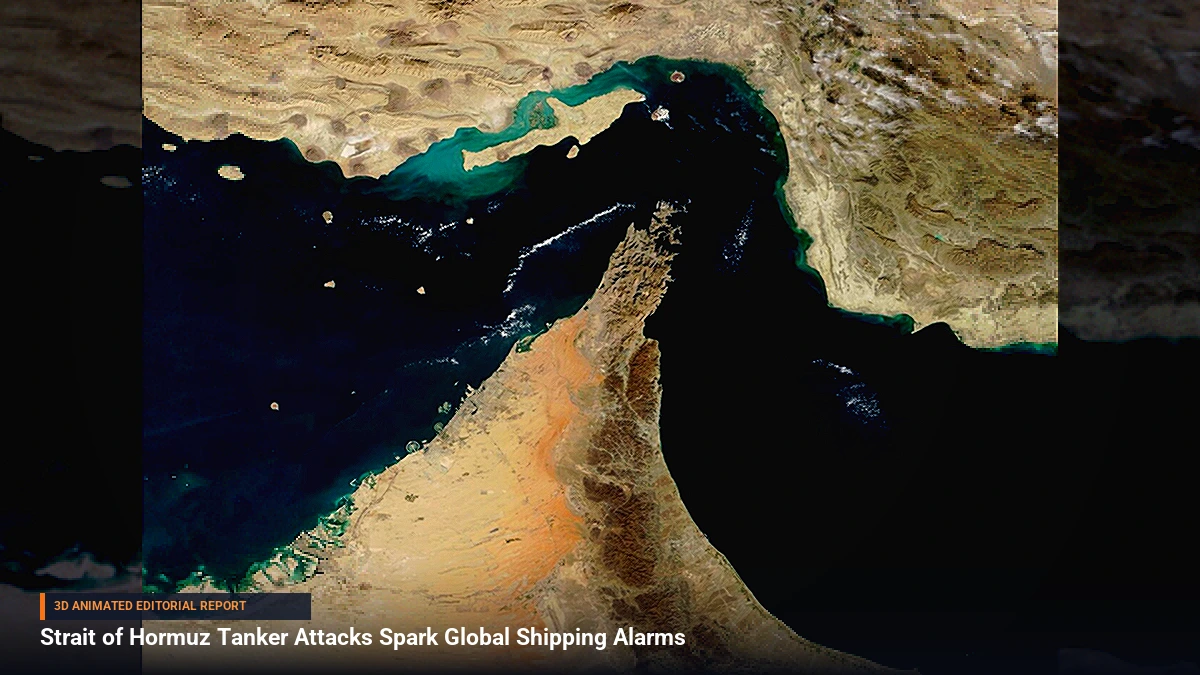
Tens have flared dramatically in one of the world's most critical energy chokepoints following reports that multiple oil and gas tankers were struck in the Strait of Hormuz. The British maritime trade agency first raised alarms after documenting two distinct security incidents unfolding near the coast of Oman. These events signal a dangerous escalation in maritime security dynamics, directly threatening commercial navigation through a corridor that handles a massive share of global petroleum supplies.
While international monitors continue to piece together the sequence of events, the Iranian military offered a specific explanation, claiming that a passing commercial vessel caught fire after inadvertently colliding with a submerged naval mine. However, independent verification of the exact mechanisms behind the explosions remains difficult, leaving maritime insurers and logistics firms on high alert.
Amid the chaos and ongoing damage assessments, human costs have already begun to mount. Authorities confirmed that at least one Indian seafarer assigned to an affected Liquefied Petroleum Gas (LPG) carrier remains missing, triggering urgent multinational search and rescue efforts in the volatile waters.
Background & Key Context
The Strait of Hormuz has long served as a geopolitical flashpoint, connecting the Persian Gulf with the Gulf of Oman and the Arabian Sea. Roughly a fifth of the world's petroleum consumption passes through this narrow maritime corridor, making it an indispensable artery for global energy markets.
Recent weeks have witnessed a sharp deterioration in regional security conditions, characterized by heightened posturing, stricter Iranian naval oversight, and fluctuating global oil prices. Shippers operating in the region have increasingly had to navigate complex risk profiles, with some operators exploring high-risk contingency routes—such as overland pipelines or specialized shuttle operations—to bypass the immediate choke points controlled or influenced by Iranian forces.
Key Takeaways
- Critical Chokepoint Disruption: Multiple commercial tankers were impacted by explosions near the coast of Oman within the Strait of Hormuz.
- Conflicting Reports: British maritime authorities documented broad security incidents, whereas the Iranian military attributed one vessel fire to a naval mine strike.
- Human Toll: Search operations remain actively underway for a missing Indian seafarer who disappeared following the attack on an LPG vessel.
- Supply Chain Vulnerability: The incidents highlight the precarious security environment for global energy transit and commercial shipping.
- Heightened Risk Mitigation: Regional operators and logistics firms are frantically reassessing transit safety protocols in response to tightening Iranian maritime controls.
Impact, Analysis & Global/National Reactions
The latest security breaches in the Strait of Hormuz threaten to send shockwaves through international energy markets and maritime insurance sectors. Analysts note that any sustained threat to navigation in this corridor invariably translates to surging insurance premiums and potential supply chain bottlenecks.
"The resurgence of kinetic incidents in the Hormuz corridor underscores the fragility of global supply chains when geopolitical friction meets vital maritime chokepoints," notes a leading regional risk analyst. Stakeholders across the energy sector are now demanding clearer international oversight and enhanced security guarantees to protect civilian crews and commercial cargo.
What's Next: Looking Ahead
As investigators work to ascertain the exact cause of the explosions and determine responsibility, maritime organizations are expected to issue updated advisory notices for vessels transiting the Persian Gulf and the Gulf of Oman. Governments with maritime interests in the region will likely face increased pressure to bolster naval escorts or establish more robust intelligence-sharing frameworks to safeguard commercial shipping lanes before further disruptions occur.
Be the first to comment
Start a useful conversation around this story.