
What Happened: The Core Developments
High-stakes diplomatic channels between the United States and Iran have hit a severe roadblock, leaving international observers deeply concerned about regional stability. According to recent reports, ongoing discussions mediated by third-party intermediaries have stalled completely over a fundamental disagreement regarding uranium enrichment.
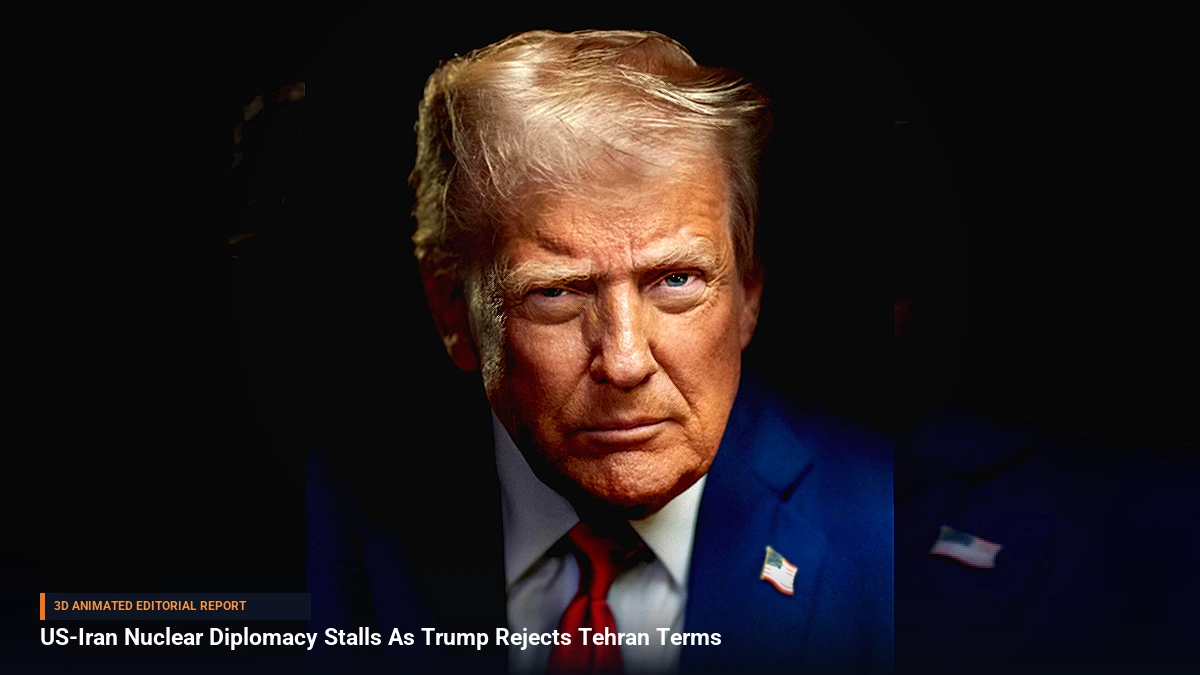
While Iranian officials maintain that they are actively pursuing a diplomatic resolution to ongoing hostilities, Washington has firmly pushed back against Tehran's current framework. U.S. leadership publicly rejected the proposed conditions, labeling them as wholly unacceptable while simultaneously reiterating a stated desire to secure a comprehensive and verifiable agreement.
Background & Key Context
The current diplomatic deadlock is the latest chapter in a decades-long standoff characterized by deep-seated mistrust, economic sanctions, and intermittent negotiations over Iran's nuclear capabilities. Uranium enrichment has historically remained the central flashpoint in international discussions regarding Tehran's atomic program.
In recent weeks, regional mediators stepped up their involvement, attempting to bridge the wide gap between Washington's hardline stance and Tehran's strategic objectives. Despite these intensive back-channel efforts, neither side has demonstrated a willingness to compromise on core sovereignty and security demands, leaving the diplomatic initiative hanging in a precarious balance.
Key Takeaways
- Primary Sticking Point: Negotiations broke down specifically over ongoing disputes regarding uranium enrichment thresholds and oversight mechanisms.
- Mediator Warnings: International intermediaries have sounded the alarm, cautioning that the collapse of talks significantly increases the risk of renewed military escalation.
- Tehran's Stance: Iranian officials, including Abbas Araghchi, have publicly emphasized a preference for diplomacy to resolve ongoing regional conflicts.
- Washington's Response: U.S. President Donald Trump flatly rejected Iran's current negotiation terms as unacceptable, while maintaining an openness to a "real deal."
- Fragile Outlook: The absence of a compromise leaves both nations locked in a familiar cycle of confrontation with limited immediate pathways for de-escalation.
Impact, Analysis & Global/National Reactions
The breakdown of these crucial talks sends ripples through global energy markets and geopolitical alliances. Analysts note that the failure to establish a working diplomatic framework increases the probability of miscalculation in an already volatile Middle East.
"Iran continues to signal an openness to dialogue, but the baseline expectations of what constitutes an acceptable nuclear policy remain poles apart," noted a regional security analyst. Meanwhile, Western allies continue to monitor the situation closely, balancing the need for strict non-proliferation enforcement against the catastrophic economic and human costs of a wider regional conflict.
What's Next: Looking Ahead
As diplomatic channels freeze, attention turns to whether regional mediators can salvage the process or if both nations will default to hostile postures. Observers will be closely watching for any shifts in domestic political pressures in Washington and Tehran that might force a reopening of talks, as well as any potential new enforcement measures or sanctions from the international community.
Be the first to comment
Start a useful conversation around this story.