
What Happened: The Core Developments
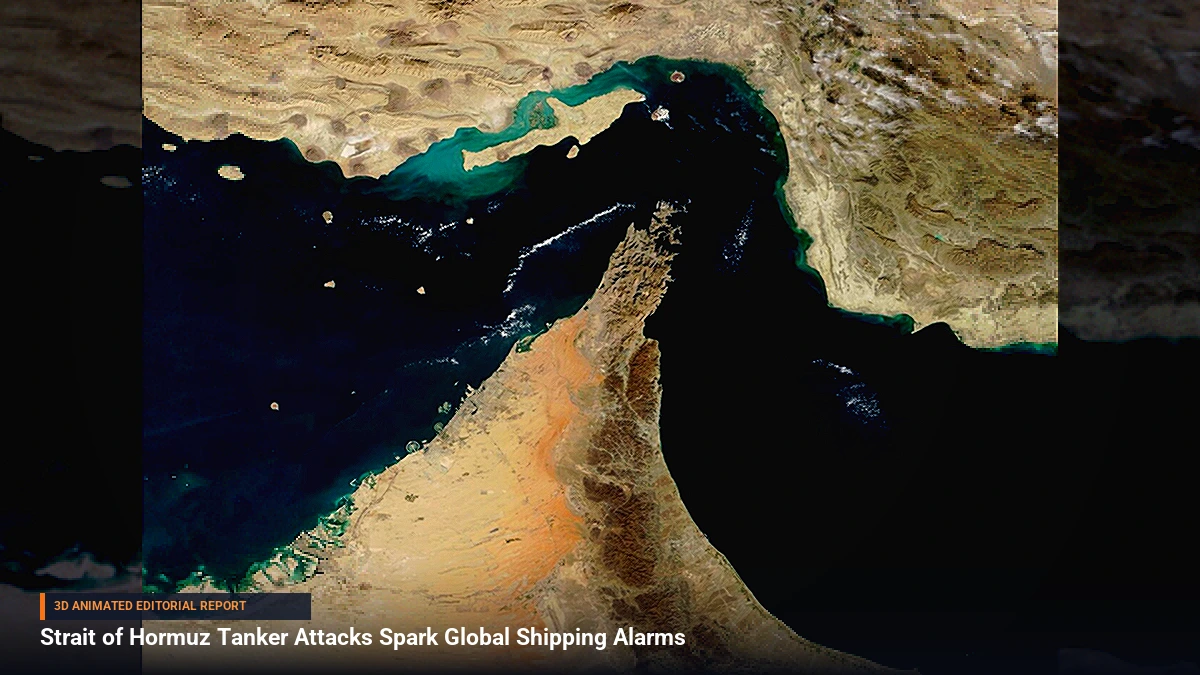
Recent weeks have witnessed a dramatic escalation in Middle Eastern maritime and aerial security. Tehran has publicly showcased a heavily fortified, subterranean "missile city," accompanied by explicit warnings directed at the United States regarding potential military surprises. This show of force coincided with heightened volatility in the vital Strait of Hormuz, where multiple commercial oil tankers have come under attack amid tightened Iranian maritime controls.
Concurrently, the conflict has widened across regional flashpoints. Yemen’s Houthi movement formally declared Saudi airspace "unsafe," issuing direct threats of impending strikes against the critical Jeddah port. These warnings materialized through coordinated aerial assaults, including ballistic missile salvos intercepted over Riyadh by the Saudi-led coalition, as well as a strike that inflicted structural damage on one of the Saudi capital’s premier skyscrapers.
Background & Key Context
The Strait of Hormuz remains the world's most critical energy transit choke point, through which a significant portion of global petroleum supplies passes daily. Tensions in this maritime corridor have historically correlated with broader geopolitical standoffs between Iran and Western powers, particularly concerning economic sanctions and regional proxy dynamics.
Similarly, the conflict involving Yemen's Houthi movement and the Saudi-led coalition represents a multi-year theater of proxy warfare. The recent integration of sophisticated projectile attacks targeting high-profile civilian and economic targets inside Saudi Arabia underscores an evolving operational capability among regional non-state actors aligned with Tehran's strategic interests.
Key Takeaways
- Underground Escalation: Iran has unveiled advanced subterranean military infrastructure, signaling readiness for asymmetric deterrence against Western adversaries.
- Maritime Chokepoint Peril: Commercial shipping through the Strait of Hormuz faces acute risks following multiple tanker incidents and tighter Iranian naval enforcement.
- Regional Spillovers: The disappearance of an Indian seafarer from an affected LPG vessel highlights the direct human and global cost of these shipping disruptions.
- Airspace Threats: Yemen's Houthis have officially deemed Saudi airspace unsafe, expanding their targeting parameters to include vital maritime hubs like Jeddah.
- Infrastructure Impact: Coordinated missile volleys intercepted near Riyadh, alongside documented structural damage to a major Saudi skyscraper, demonstrate the evolving reach of regional aerial strikes.
Impact, Analysis & Global/National Reactions
International energy markets and maritime logistics firms have reacted with deep apprehension to the unfolding events. Security analysts note that the combination of threats to the Strait of Hormuz and targeted strikes on Saudi infrastructure poses a dual-front challenge to global energy security. Shipping insurers have begun recalibrating risk assessments, leading to higher premiums and potential route diversions that could inflate global supply chain costs.
Defense strategists emphasize that Iran's unveiling of underground military caches is designed to complicate intelligence-gathering and preemptive strike planning. Meanwhile, regional coalitions continue to fortify missile defense systems, though the frequency and persistence of Houthi aerial incursions continue to test interception capabilities and strain defensive stockpiles.
What's Next: Looking Ahead
Stakeholders across the international community are closely monitoring diplomatic channels for any signs of de-escalation, though immediate prospects appear dim. Naval patrols in the Strait of Hormuz are expected to intensify to protect commercial vessels, while diplomatic pressure mounts on regional actors to prevent a wider conflagration. Markets will remain highly sensitive to any further disruptions in oil transit or major escalations in Saudi and Yemeni airspace.
Be the first to comment
Start a useful conversation around this story.