
What Happened: The Core Developments
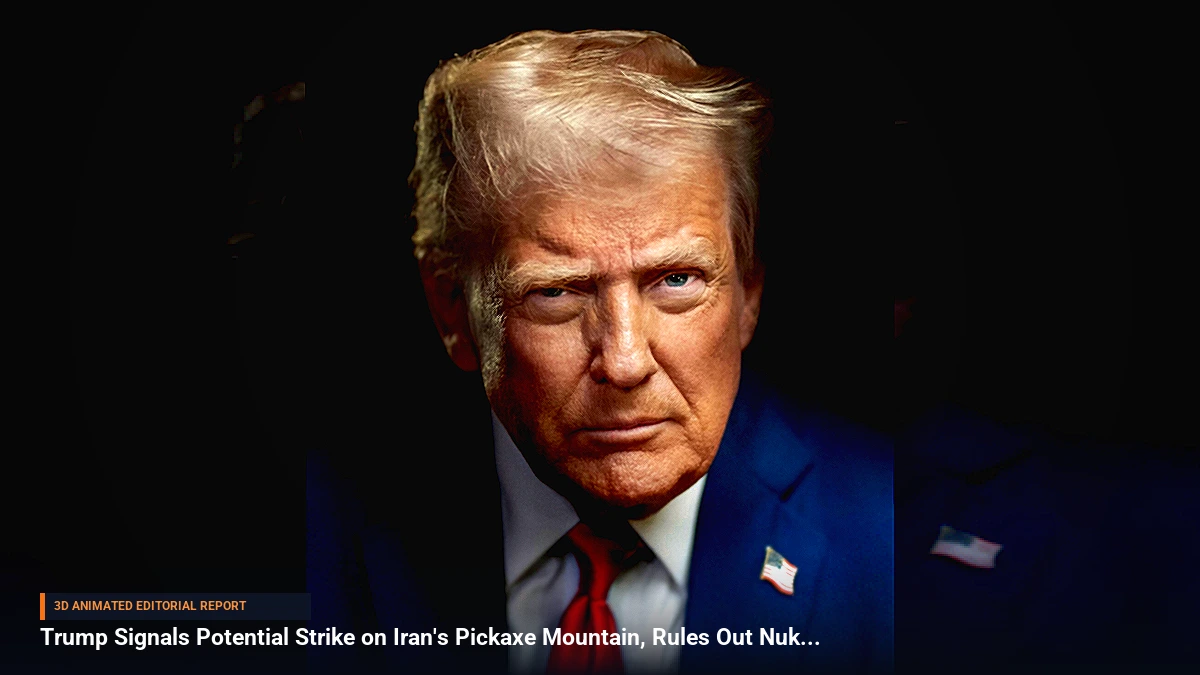
President Donald Trump confirmed that the United States has officially rejected a diplomatic proposal submitted by Tehran via mediators in Qatar. The rejected Iranian roadmap outlined a seven-day framework intended to de-escalate maritime hostilities, specifically targeting the reopening of the strategic Strait of Hormuz and the resumption of stalled nuclear talks. In exchange, Tehran sought the immediate lifting of the ongoing US naval blockade targeting Iranian ports.
Speaking to reporters at the White House, President Trump straightforwardly dismissed the initiative, stating, "They made a proposal but I reject it." Intelligence reports and administration sources indicate that the rejection comes hand-in-hand with expectations of renewed military operations and targeted bombing campaigns following the upcoming midterms, signalling that Washington is currently disinclined to accept phased compromises on regional maritime security.
Background & Key Context
The Strait of Hormuz represents one of the world's most critical maritime chokepoints, through which a significant portion of global petroleum supplies flows. Prolonged naval blockades and regional hostilities have severely disrupted international shipping lanes, prompting intense behind-the-scenes diplomatic maneuvering led by regional intermediaries like Qatar.
Concurrently, the geopolitical chess board has expanded beyond direct bilateral frictions. Recent disclosures from US officials underscore mounting concerns over external technological support bolstering Iran's military capabilities. US envoys reported that Washington explicitly warned Chinese leadership regarding satellite and intelligence assistance allegedly provided by Chinese entities, which has reportedly aided Iran in achieving more effective targeting of US assets in the region.
Key Takeaways
- The Proposal: Iran submitted a seven-day peace plan through Qatari mediators to reopen the Strait of Hormuz and restart nuclear discussions.
- The US Response: President Trump formally rejected the roadmap, demanding different terms or sustained pressure.
- Military Outlook: US sources anticipate a potential resurgence in active military strikes and bombing campaigns following the midterm elections.
- External Complications: Washington has raised direct concerns with Beijing over intelligence and satellite backing that enhances Iranian drone and missile targeting precision.
- Strategic Chokepoint: The closure and militarization of the Strait of Hormuz remain central pressure points affecting global trade and energy markets.
Impact, Analysis & Global/National Reactions
The dismissal of Tehran's overture underscores a hardline US posture prioritizing total strategic leverage over quick diplomatic fixes in the Persian Gulf. International markets and energy stakeholders remain on edge, fearing that a breakdown in diplomatic tracks could lead to prolonged shipping blockades and spiked oil prices.
Furthermore, the diplomatic friction involving Beijing highlights the proxy dimensions of the modern US-Iran conflict. By addressing China directly over intelligence sharing and satellite guidance systems, Washington is attempting to sever external lifelines that neutralize traditional US technological dominance in the theater. While US envoys secured assurances from Beijing following direct warnings, defense analysts remain skeptical about whether such diplomatic reprimands will completely halt covert technological assistance.
What's Next: Looking Ahead
With the rejection of the Qatari-mediated roadmap, regional watchers are closely monitoring the political horizon leading up to the midterms. Market analysts predict heightened volatility in energy sectors, while military strategists prepare for potential escalations once domestic political milestones pass.
Diplomatic channels, though strained, are unlikely to vanish entirely; regional intermediaries may attempt alternative frameworks once the current political calendar shifts. However, unless Tehran and Washington find common ground on the sequencing of sanctions relief and nuclear compliance, the threat of renewed kinetic conflict in the Persian Gulf remains uncomfortably high.


Be the first to comment
Start a useful conversation around this story.