
What Happened: The Core Developments
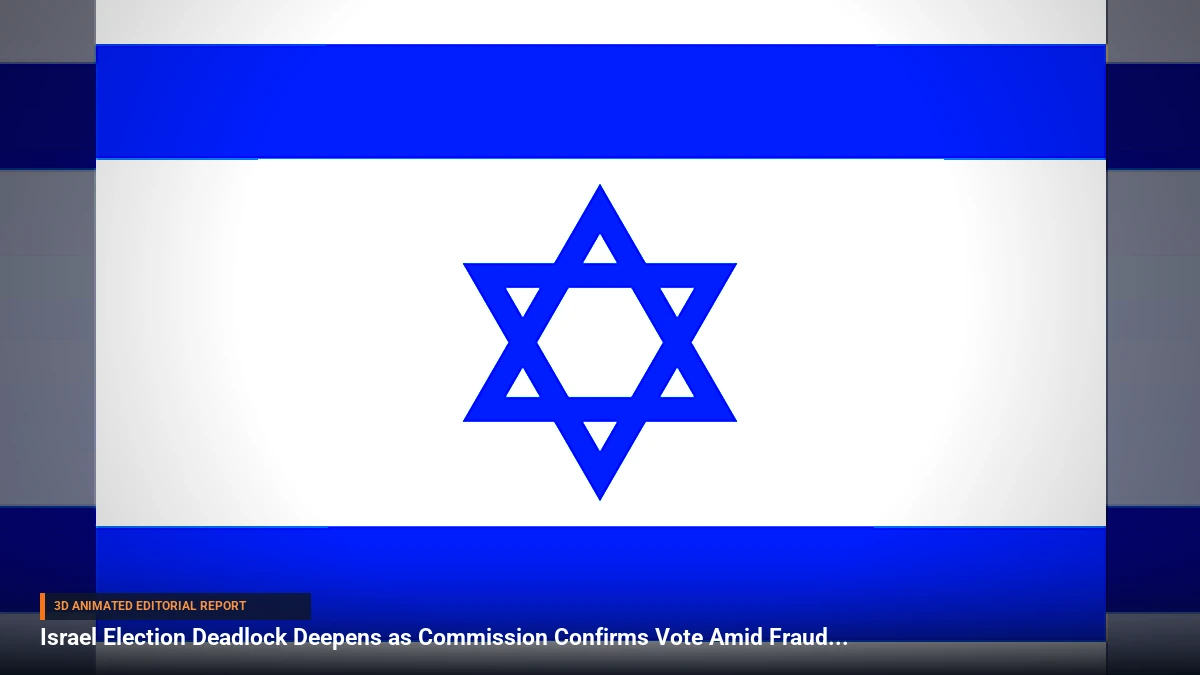
The political landscape in Israel faces intense scrutiny following the official confirmation of the 2026 election results by the national election commission. Despite formal ratification, key allies of Prime Minister Benjamin Netanyahu have refused to endorse the final outcome, citing unsubstantiated allegations of voter fraud. The election commission has explicitly dismissed these claims, validating the integrity of the vote count.
In response to the resulting political stalemate, Israeli President Isaac Herzog has stepped into the center of the storm. Utilizing his constitutional authority, Herzog has officially commenced consultations with various political factions. His objective is to navigate the fractured Knesset and explore viable pathways toward establishing a stable governing coalition.
Background & Key Context
The 2026 electoral cycle has plunged the nation into a familiar yet heightened state of legislative paralysis. For years, Israeli politics has grappled with deep ideological divisions, leading to fragmented parliamentary representation and fragile governing majorities. The refusal of Netanyahu's bloc to accept the certified tally introduces an unprecedented layer of tension into an already volatile environment.
President Herzog now plays a pivotal, mediating role. Traditionally a largely ceremonial figure, the president holds the constitutional responsibility of selecting a lawmaker best positioned to assemble a functioning government—a task complicated heavily by polarized party lines and lingering electoral disputes.
Key Takeaways
- Official Confirmation: Israel's election commission has officially validated the 2026 vote outcomes, putting to rest immediate bureaucratic challenges to the tally.
- Rejected Fraud Claims: Allegations of electoral irregularities raised by Netanyahu's allies were systematically reviewed and rejected by election authorities.
- Presidential Intervention: President Isaac Herzog has launched high-stakes consultations with political party leaders to resolve the ongoing deadlock.
- Compromise Warning: Herzog has publicly cautioned politicians that compromises are vital and campaign promises must be tempered to form a government.
- Risk of Repeat Elections: Lawmakers face immense pressure to reach a consensus to avoid dragging the country into a costly and disruptive repeat election cycle.
Impact, Analysis & Global/National Reactions
The refusal of Netanyahu's supporters to recognize the electoral outcome has drawn sharp criticism from political opponents and heightened anxiety among institutional stakeholders. Analysts note that undermining faith in the election commission threatens democratic norms and deepens societal polarization.
Addressing the political leadership, President Herzog issued a stern warning regarding the absolute necessity of flexibility. "Not every commitment and promise can be fulfilled," Herzog stressed during the opening rounds of consultations, urging parties to prioritize national stability over rigid partisan demands. Financial markets and international allies are closely monitoring the coalition talks, mindful of how regional security and domestic governance hang in the balance.
What's Next: Looking Ahead
All eyes are now fixed on the residence of President Herzog as he continues his round-robin discussions with heads of political parties. The upcoming days will determine whether the president designates a specific leader to attempt coalition formation or calls for broader concessions.
If parties remain deadlocked and refuse to moderate their positions, Israel could march toward another exhausting election cycle. Stakeholders across the political spectrum are under intense pressure to forge temporary alliances, meaning the next phase of negotiations will dictate the trajectory of Israeli governance for the foreseeable future.
Be the first to comment
Start a useful conversation around this story.