
What Happened: The Core Developments
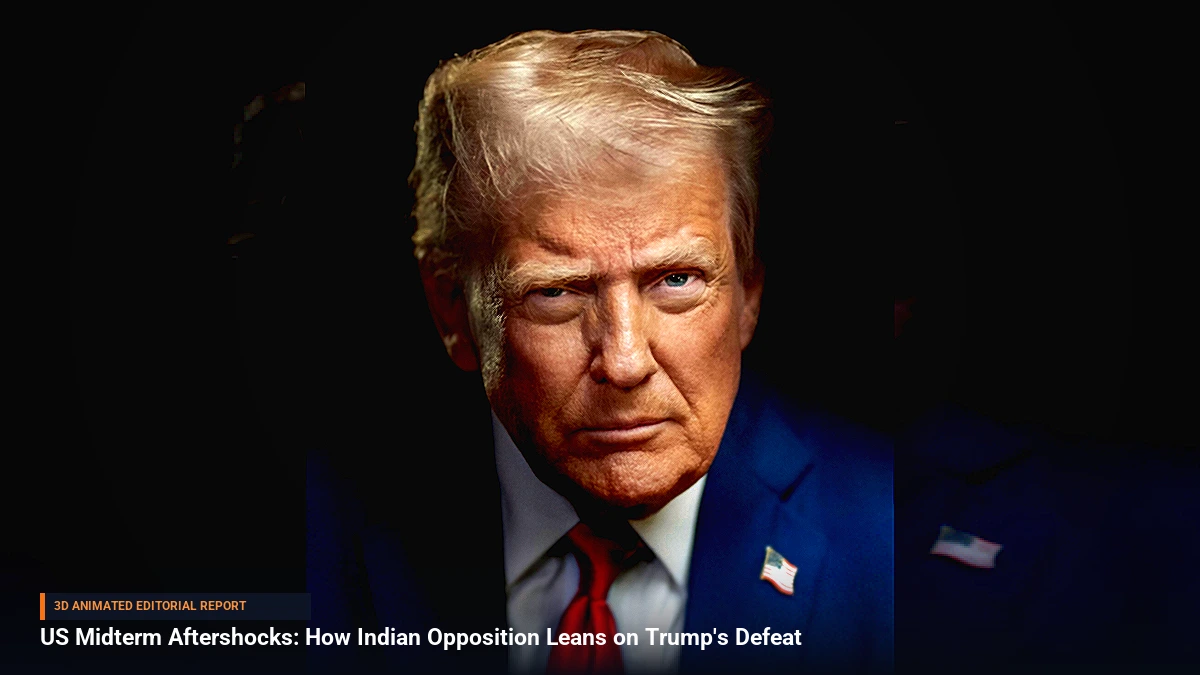
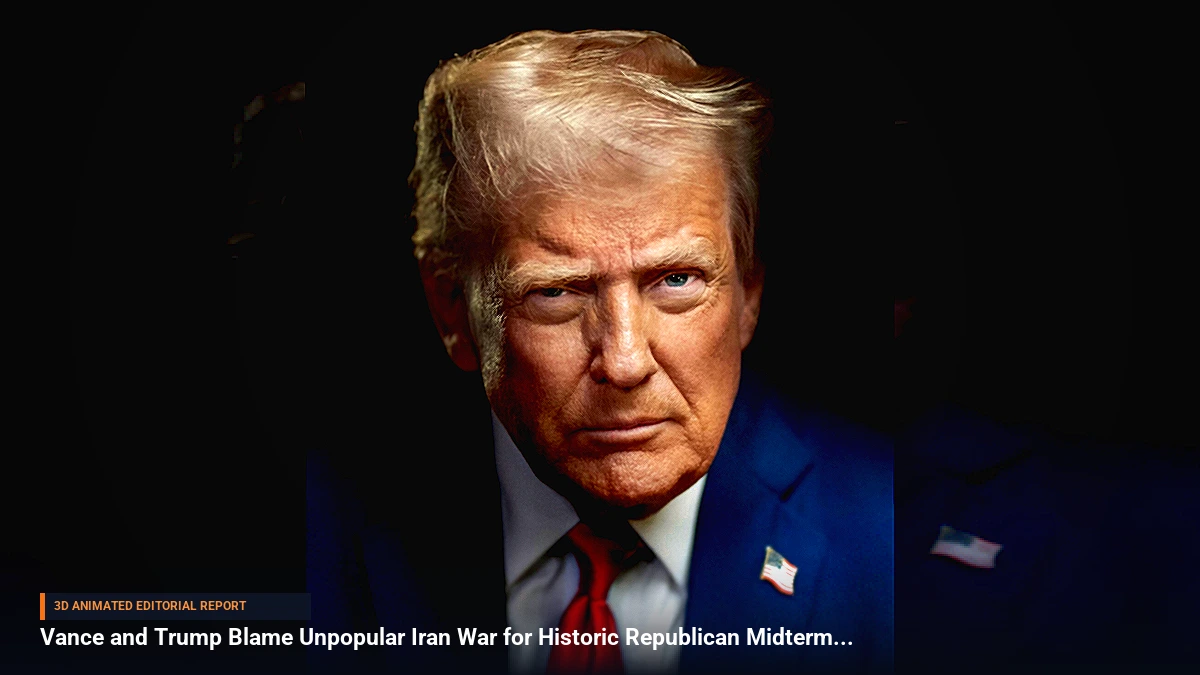
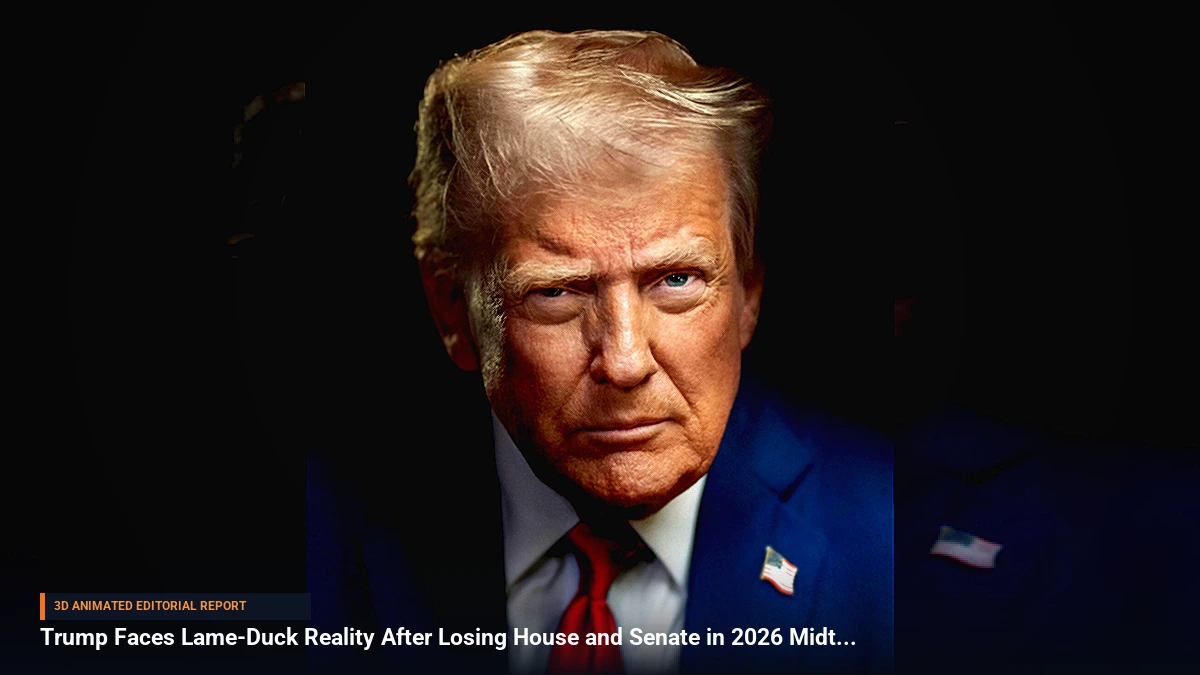
The political landscape in Washington has shifted dramatically following significant Democratic gains in the United States midterm elections. The electoral outcome stripped the ruling administration of its legislative majority in Congress, signaling a major setback for President Donald Trump's domestic agenda and introducing fresh variables into American foreign policy.
Simultaneously, the US Treasury and enforcement agencies have ramped up pressure on international financial and logistical channels supporting Tehran. In a recent coordinated move, the United States imposed strict sanctions on an Indian couple and a network of linked firms accused of operating a vast maritime fraud scheme designed to bypass international oil embargoes and bankroll Iran's energy sector.
Background & Key Context
Midterm elections historically serve as a referendum on the sitting president, but the recent shift in congressional control carries profound international implications. With a divided legislature, executive actions face intense scrutiny, and foreign policy initiatives—particularly regarding the Middle East—must now navigate a more constrained domestic environment.
Meanwhile, tensions between Washington and Tehran have remained at a simmer for years, characterized by stringent economic sanctions, covert cyber actions, and periodic proxy escalations. Iran's illicit petroleum trade relies heavily on complex shipping maneuvers, deceptive flag registries, and international intermediaries. The targeting of private citizens and front companies abroad highlights Washington's continued reliance on secondary sanctions to choke off Tehran's revenue streams, regardless of domestic political transitions.
Key Takeaways
- Congressional Shift: Democratic victories in the US midterm elections have stripped President Donald Trump of his legislative majority in Congress.
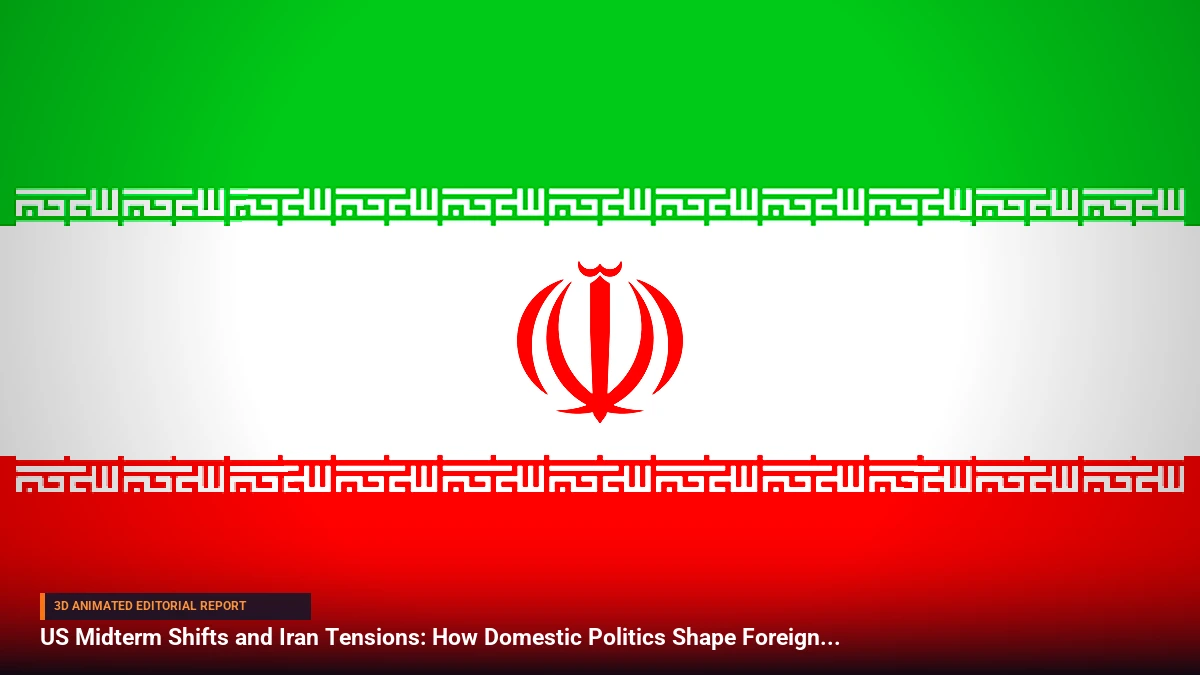
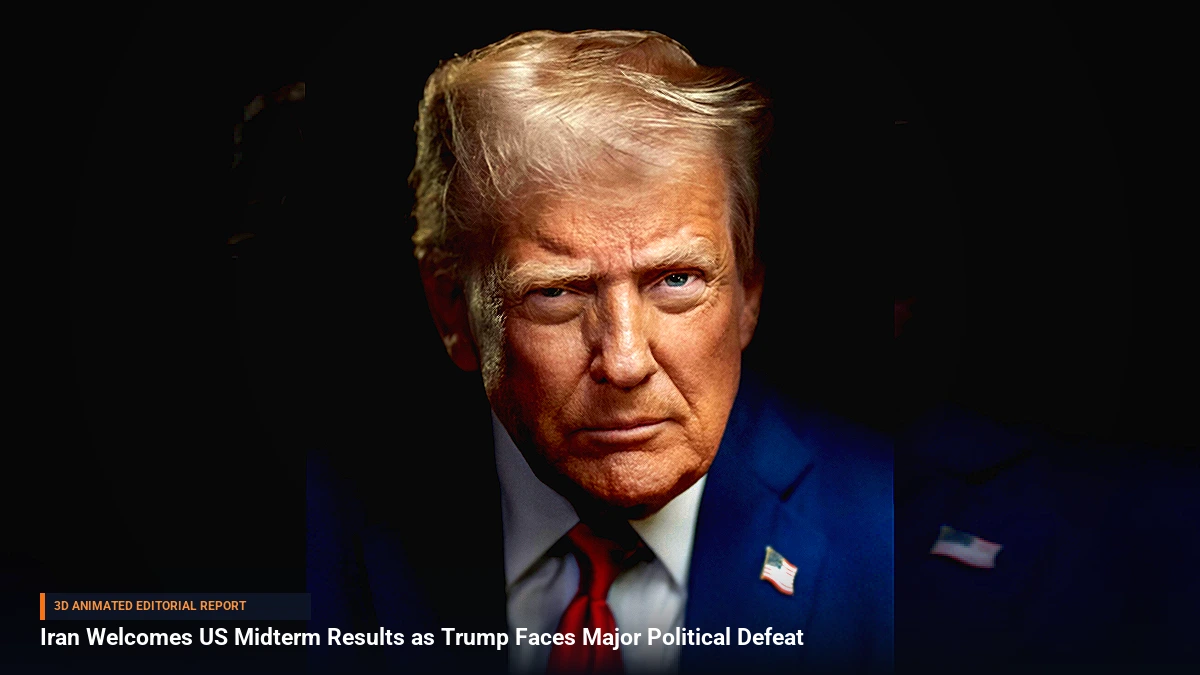
- Tehran's Response: Iranian officials and state media have openly gloated over the US election results, framing the congressional loss as a notable political defeat for Washington.
- Sanctions Enforcement: The US government recently sanctioned an Indian couple and multiple front companies involved in a maritime fraud network aiding Iranian oil exports.
- Foreign Policy Friction: Analysts are actively debating whether a politically weakened administration will pivot toward aggressive foreign maneuvers or face deeper legislative roadblocks.
Impact, Analysis & Global/National Reactions
The intersection of domestic electoral shifts and ongoing foreign conflicts has created a complex web of reactions globally. In Tehran, state media and political figures have seized upon the midterm outcome, characterizing the legislative defeat as a sign of internal American weakness. Iranian Supreme Leader Ayatollah Ali Khamenei cautioned that despite domestic political losses, institutional hostility from Washington toward Iran remains unchanged.
International relations analysts suggest that a divided US Congress could complicate executive decision-making regarding potential military actions or diplomatic overtures in the Middle East. At the same time, secondary enforcement measures—such as the targeting of maritime networks in South Asia—demonstrate that the national security apparatus continues its aggressive containment strategy against Iranian economic lifelines independent of legislative gridlock.
What's Next: Looking Ahead
As the newly configured Congress prepares to take office, lawmakers from both parties will grapple with how to exercise oversight on foreign entanglements and defense spending. Observers will closely monitor upcoming congressional hearings regarding Middle East strategy, enforcement of oil sanctions, and potential diplomatic postures toward Tehran.
For international shipping and trade compliance firms, the recent sanctions on maritime intermediaries serve as a stark warning. Regulatory bodies are expected to increase scrutiny on global maritime logistics, pressuring international shipping hubs to tighten compliance and root out deceptive oil-smuggling operations.


Be the first to comment
Start a useful conversation around this story.