
What Happened: The Core Developments
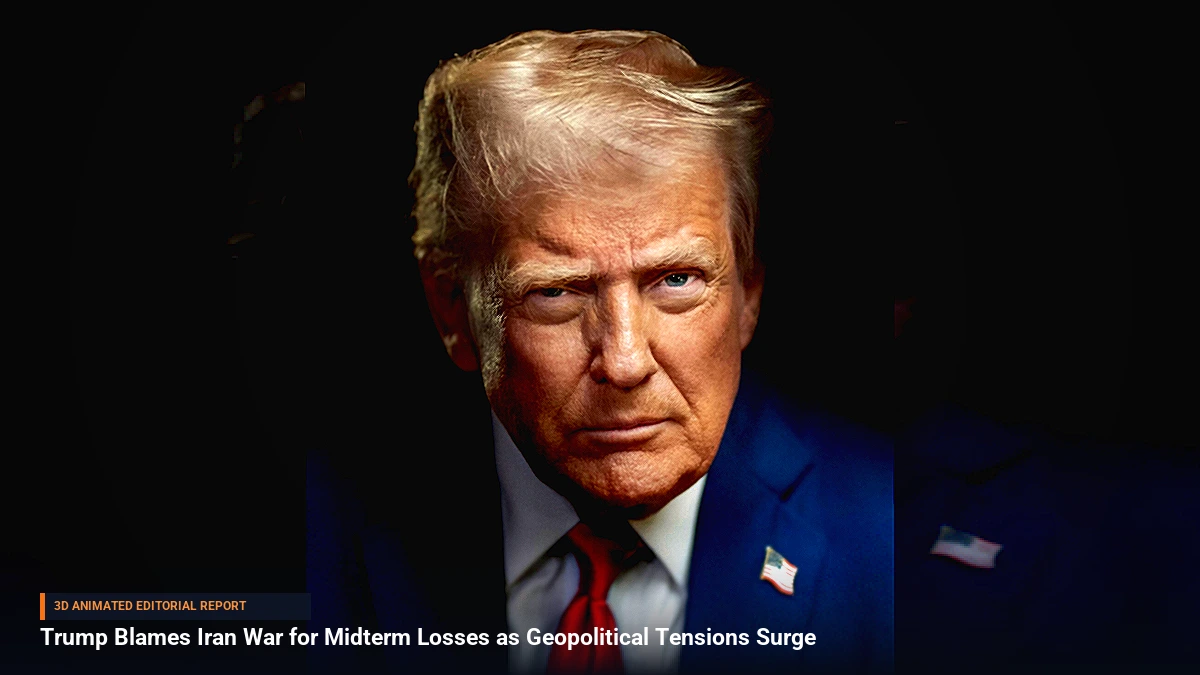
The American political landscape has been radically upended following the 2026 midterm elections, which saw Democrats secure control of both chambers of Congress. The historic electoral shift is widely attributed by political analysts and leadership figures alike to public dissatisfaction over the military conflict with Iran. In the wake of the Republican losses, scrutiny has zeroed in on Pentagon leadership. Defense Secretary Pete Hegseth is now facing intense pressure, including potential impeachment filings and calls for his exit, as fallout from the war reverberates through Washington.
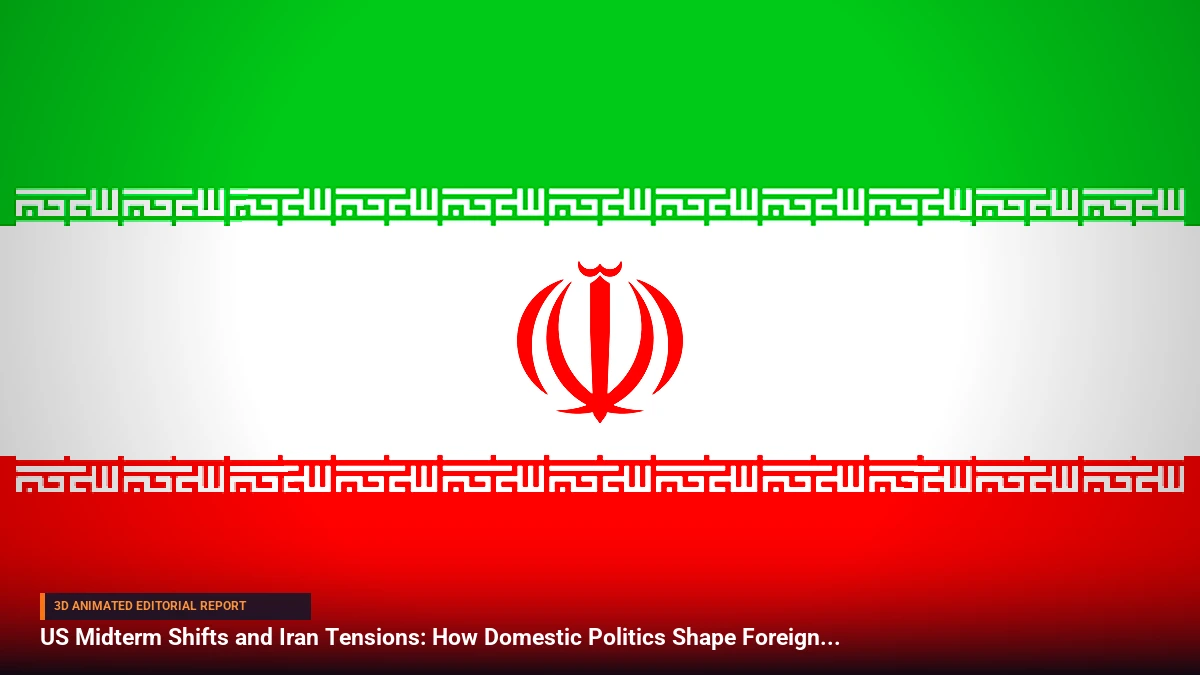
Simultaneously, international energy markets experienced a major correction. Crude oil prices tumbled by 9%, dropping below the $95 per barrel mark as political uncertainty weighed heavily on investor sentiment. Meanwhile, geopolitical realignments took shape in the Middle East, where Iran announced exemptions for ships originating from India, China, Iraq, and Qatar from stringent Strait of Hormuz transit restrictions, citing bilateral factors such as vital medicine imports and diplomatic positioning.
Background & Key Context
The roots of this seismic political shift trace back to the escalation of military actions in Iran, a foreign policy venture that quickly evolved into a domestic political liability for the ruling administration. While President Donald Trump initially stood by his cabinet appointments and publicly praised military champions, the sheer scale of the congressional defeat has forced a re-evaluation of high-level accountability. Historically, midterm elections often serve as a referendum on a sitting administration's policies, but the direct correlation between an active foreign war and a legislative wipeout has added unique pressure on defense architects.
Concurrently, the Strait of Hormuz has remained a focal point for global trade stability. Iran's recent decision to carve out transit exemptions for select strategic partners highlights the delicate balancing act between regional security enforcement and maintaining economic lifelines with key Asian and Middle Eastern trade allies.
Key Takeaways
- Democratic Sweep: Democrats won both chambers of Congress in the midterm elections following severe public backlash against the Iran war.
- Pentagon Pressure: Defense Secretary Pete Hegseth faces growing vulnerability, with potential exit discussions and impeachment articles filed by critics.
- Market Reaction: Crude oil prices plummeted 9%, cooling below $95 per barrel and triggering rallies in crude-sensitive equities globally.
- Hormuz Exemptions: Iran lifted specific transit curbs in the Strait of Hormuz for vessels from India, China, Iraq, and Qatar.
- Strategic Diplomacy: Exemptions granted by Tehran were explicitly tied to essential imports like medicines and broader diplomatic engagement.
Impact, Analysis & Global/National Reactions
The domestic political shockwaves have put the White House on the defensive. "The war in Iran has been primarily a Department of War-led effort because you chose to take military action to resolve a foreign policy matter," noted a former senior Pentagon official, capturing the sentiment behind the 'knives out' atmosphere currently prevailing in Washington. Despite presidential assurances that key officials are performing well, insiders note that legislative headwinds and upcoming congressional oversight hearings will test the administration's resilience.
On the economic front, the plunge in oil prices brought immediate relief to energy-dependent sectors. Equity markets surged as investors welcomed lower input costs, though upstream energy firms faced downward adjustments. Globally, trade partners heavily reliant on Persian Gulf shipping routes expressed cautious optimism over the localized Hormuz exemptions, which promise to stabilize supply chains for critical pharmaceuticals and commodities.
What's Next: Looking Ahead
As the new congressional majorities prepare to take office, the immediate focus will shift to committee hearings, potential confirmation reviews, and formal legislative actions regarding Pentagon leadership. The fate of Defense Secretary Hegseth remains one of Washington's most closely watched variables. Internationally, energy traders will monitor whether Iran's selective maritime exemptions signal a broader stabilization of Middle Eastern shipping corridors or remain a temporary tactical maneuver amidst shifting geopolitical tides.



Be the first to comment
Start a useful conversation around this story.