
What Happened: The Core Developments
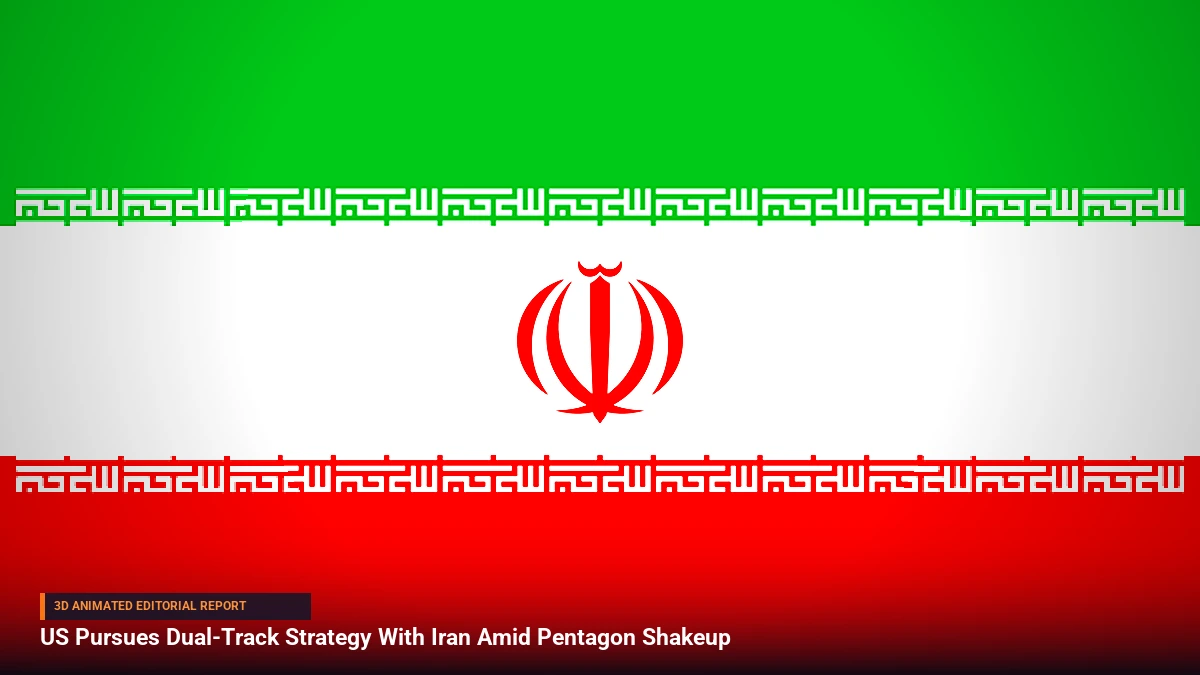
The United States is currently navigating a complex, multi-pronged approach toward Middle East security, marked by significant internal military restructuring and sudden diplomatic maneuvers. Defense Secretary Pete Hegseth recently ousted a top military planner from the Pentagon's Joint Staff. This high-profile removal comes at a critical juncture as military brass and executive leadership evaluate potential tactical actions or targeted strikes against Iranian infrastructure.
Simultaneously, the administration has opened a discreet backchannel. Vice President JD Vance reached out via formal correspondence to a prominent Iranian security hard-liner—identified in reports as Rezaei. This communication aims to restart peace negotiations and directly address Tehran's contentious nuclear development program, creating a contrasting narrative of imminent military pressure coupled with urgent diplomatic outreach.
Background & Key Context
The latest friction points build upon a volatile geopolitical landscape in the Middle East, characterized by persistent tensions over Iran's nuclear enrichment trajectory and regional proxy dynamics. While the administration maintains a posture of maximum pressure—bolstered by warnings from President Donald Trump—internal realignment within the Department of Defense signals a strategic recalibration under new leadership.
On the political front, international alignments continue to shift. President Trump recently claimed credit for shifting political momentum in Israel, asserting that his public endorsement directly influenced Prime Minister Benjamin Netanyahu's electoral performance. These intersecting developments underscore how domestic political maneuvers and international diplomacy remain deeply intertwined.
Key Takeaways
- Pentagon Shakeup: Defense Secretary Pete Hegseth dismissed a key Joint Staff military planner amid ongoing deliberations over potential Iran-related operations.
- Dual-Track Diplomacy: Vice President JD Vance dispatched a letter to an Iranian security hard-liner to revive peace discussions and tackle nuclear proliferation concerns.
- Mixed Signals: The simultaneous military restructuring and diplomatic outreach reflect a high-stakes, two-pronged administration strategy.
- Political Ripple Effects: Donald Trump openly claimed credit for bolstering Israeli Prime Minister Benjamin Netanyahu's electoral standing through strategic endorsements.
Impact, Analysis & Global/National Reactions
Foreign policy analysts view the concurrent moves as a classic "carrot-and-stick" strategy, though execution risks remain high. The sudden removal of a high-ranking military planner suggests potential friction or a strategic pivot within the Pentagon regarding how any prospective engagement with Iran should be modeled.
International observers have expressed cautious interest in Vice President Vance’s outreach. While critics question whether a hard-line Iranian official will engage under active strike threats, proponents argue that maintaining communication channels is vital to averting a wider regional conflict. Institutional reactions from regional allies emphasize the need for transparency and coordinated security frameworks as Washington recalibrates its posture.
What's Next: Looking Ahead
As the Pentagon concludes its internal reviews, all eyes remain on Tehran's official response to Vice President Vance's diplomatic overture. Market participants and regional stakeholders will closely monitor any subsequent intelligence indicators regarding potential military actions, as well as whether Iranian leadership agrees to resume structured talks concerning its nuclear program.




Be the first to comment
Start a useful conversation around this story.