
What Happened: The Core Developments
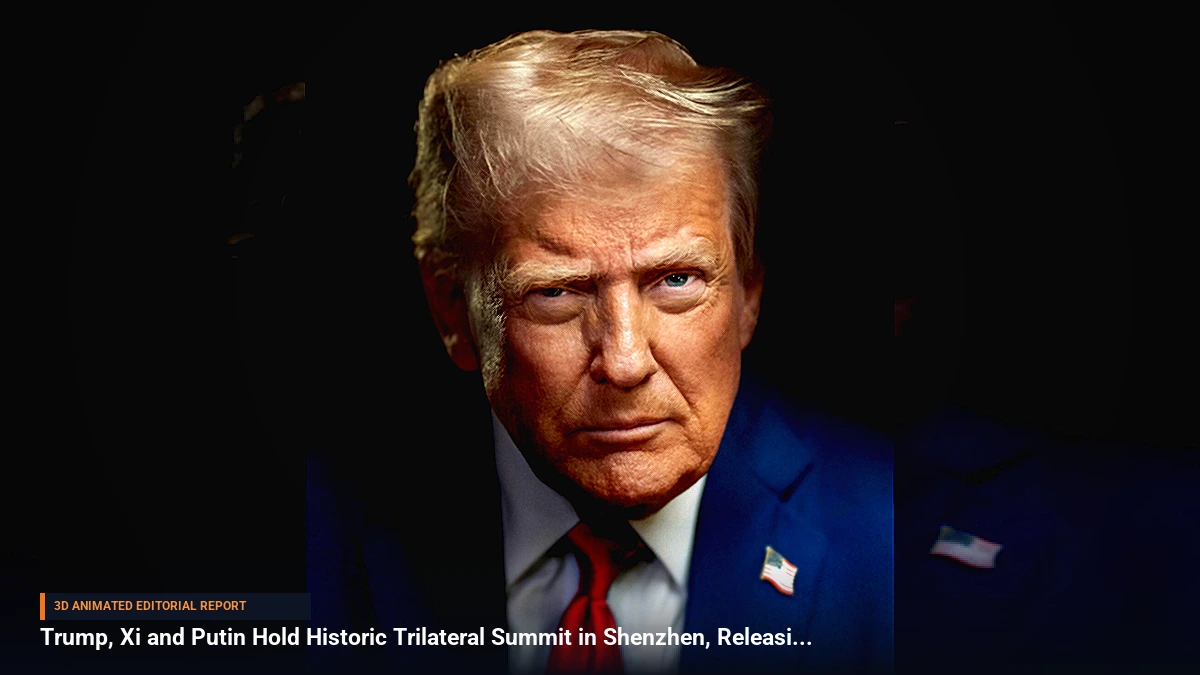
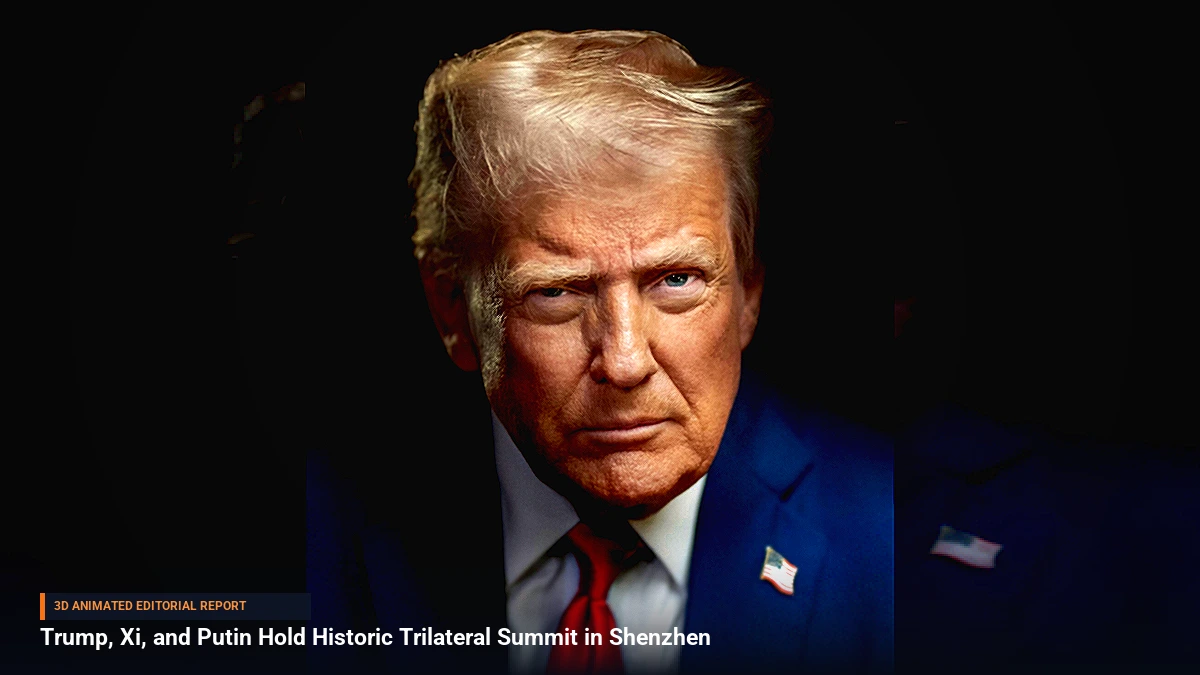
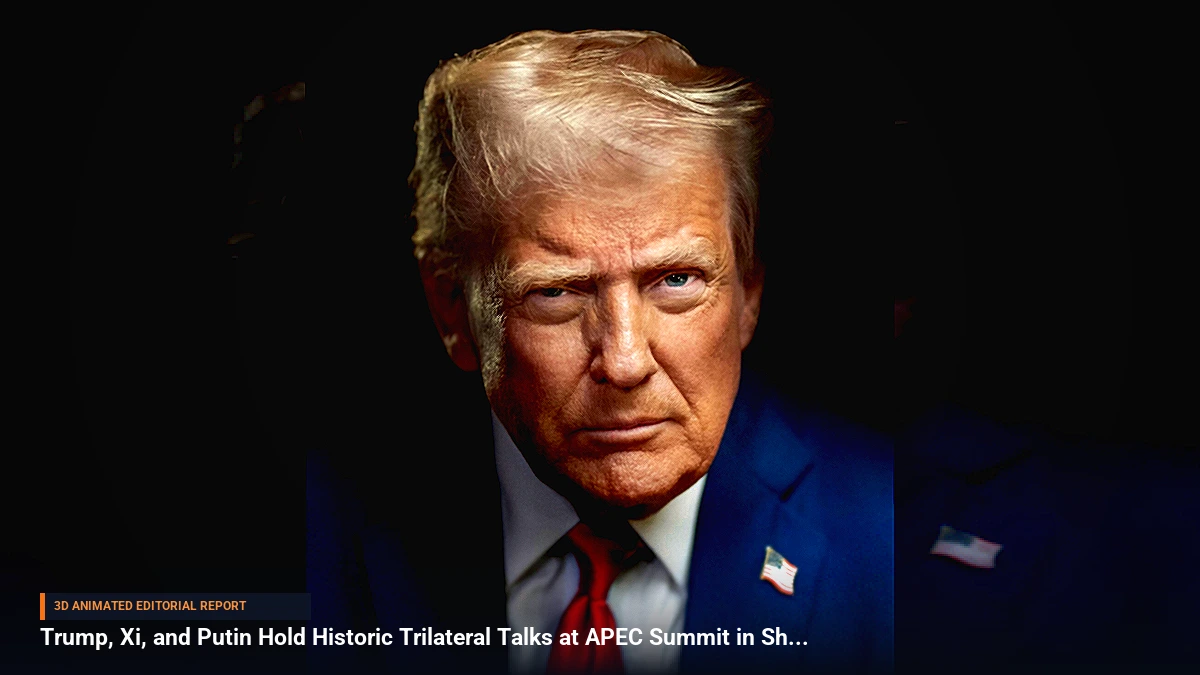
In a stunning realignment of contemporary geopolitics, United States President Donald Trump, Chinese President Xi Jinping, and Russian President Vladimir Putin convened in Shenzhen, China, for a historic first-of-its-kind trilateral summit on the sidelines of the APEC meetings. The closed-door negotiations brought together the world’s three preeminent nuclear powers to address pressing global friction points, notably nuclear arms stabilization and active multi-front conflicts.
The high-stakes diplomatic encounter culminated in the unexpected release of a joint "peace declaration." While the granular enforcement mechanisms and binding text remain subject to intense diplomatic scrutiny, the summit's mere occurrence marks a tectonic shift in international relations. Adding to the symbolic weight of the event, Russian President Vladimir Putin participated directly in the official APEC family photo, stepping back into the frame of multilateral group optics after a protracted decade-long period of strict diplomatic isolation from Western-aligned forums.
Background & Key Context
International relations analysts immediately drew historical parallels to mid-20th-century summits like Yalta, where great powers carved out spheres of influence. The road to Shenzhen had been paved by months of evolving bilateral overtures, with President Trump emphasizing working relationships with both counterparts.
For Beijing, hosting the summit served as a masterclass in projecting diplomatic gravity. Chinese President Xi Jinping used the opening statements to stake out hard strategic boundaries. Xi explicitly warned that major superpowers must strictly avoid touching each other's "bottom lines" on sensitive geopolitical and sovereign issues. The backdrop of the talks included intricate calculations regarding ongoing European defense financing gaps—symbolized by separate European emergency meetings in Berlin—and deep anxiety among traditional Western allies regarding Washington's shifting bilateral calculus.
Key Takeaways
- Unprecedented Trilateral Format: The Shenzhen meeting represents the first formal three-way strategic summit between the leaders of the US, China, and Russia.
- Strategic Red Lines Established: Chinese President Xi Jinping explicitly cautioned that major powers must respect each other's foundational bottom lines on sensitive geopolitical disputes.
- The Peace Declaration: The talks concluded with the formal release of a joint peace declaration addressing nuclear stability and active regional warfare.
- Putin's Multilateral Re-entry: Vladimir Putin's active participation in the APEC family photo signaled a major symbolic break from his years of diplomatic isolation.
- Allied Anxiety: Traditional Western and European capitals face immediate strategic adjustments as the US recalculates its diplomatic posture alongside its chief global competitors.
Impact, Analysis & Global/National Reactions
Reactions from global capitals have ranged from cautious optimism to profound strategic alarm. Proponents of the summit argue that direct, unvarnished communication between Washington, Beijing, and Moscow is vital to preventing catastrophic miscalculations in an increasingly multi-polar nuclear era. By bringing active war and arms control directly to the negotiation table, the summit forced a direct channel of communication that bypassed traditional diplomatic gridlock.
Conversely, traditional security partners, particularly within the European Union, have expressed deep apprehension. With ongoing security crises and heavy financing gaps facing key regional defense frameworks, European leaders find themselves forced to re-evaluate the architecture of Western deterrence. International policy analysts note that the optics of the Shenzhen gathering suggest a pragmatic transactionalism that could sideline conventional multilateral institutions in favor of great-power direct deals.
What's Next: Looking Ahead
As the dust settles from the Shenzhen summit, diplomatic corps worldwide are racing to dissect the fine print and unwritten understandings behind the newly minted peace declaration. Foreign ministries in Washington, Beijing, and Moscow are expected to schedule follow-up working-group sessions to operationalize the high-level commitments made regarding nuclear arms dialogues.
Concurrently, market analysts and defense planners will closely monitor how bilateral trade negotiations and regional security postures adapt to this new trilateral dynamic. The upcoming months will reveal whether the Shenzhen summit was a fleeting theatrical display of summit diplomacy or the foundational blueprint for a radically altered global order.

Be the first to comment
Start a useful conversation around this story.