
What Happened: The Core Developments
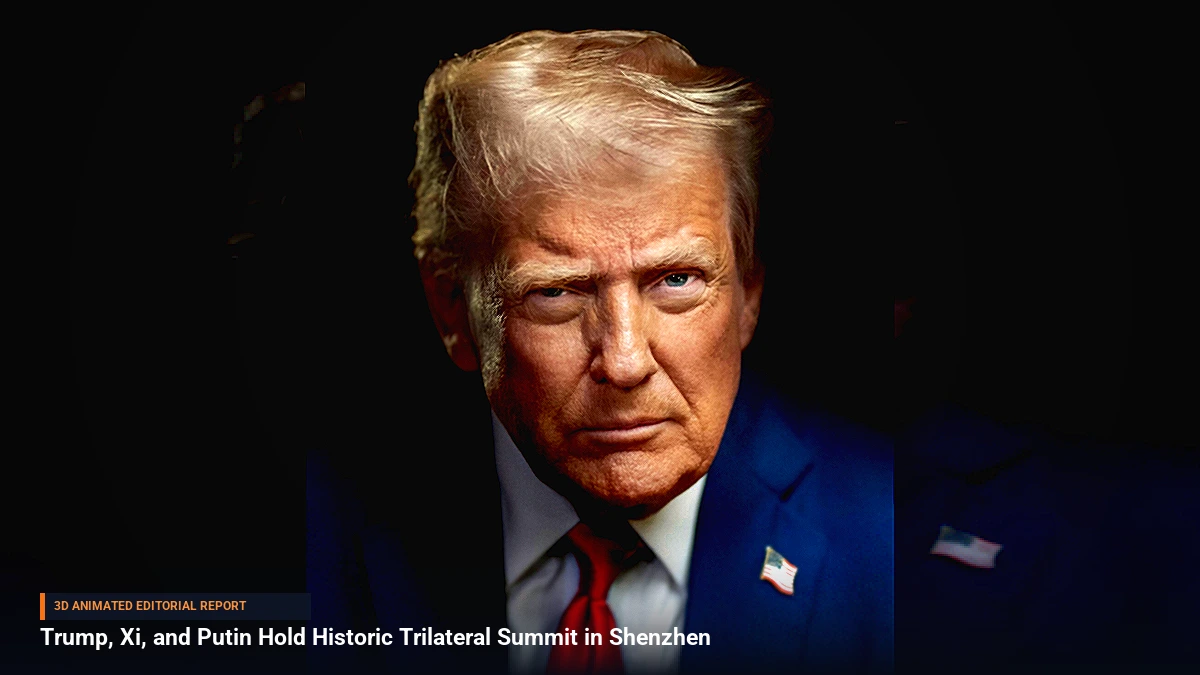
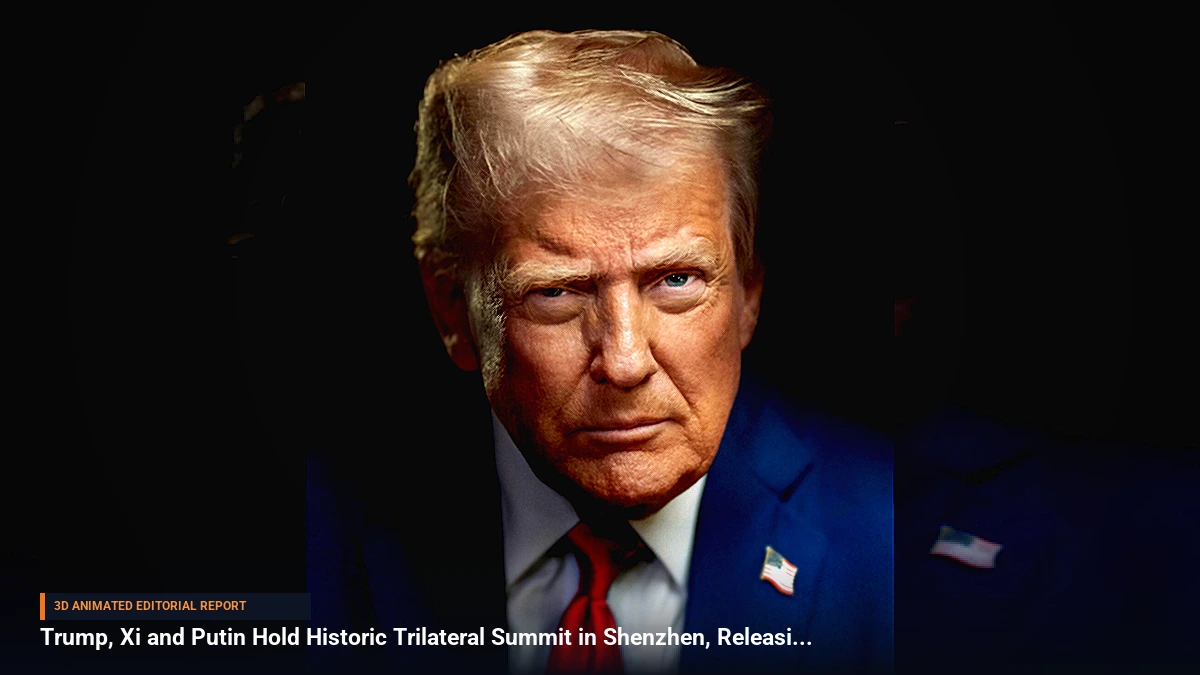
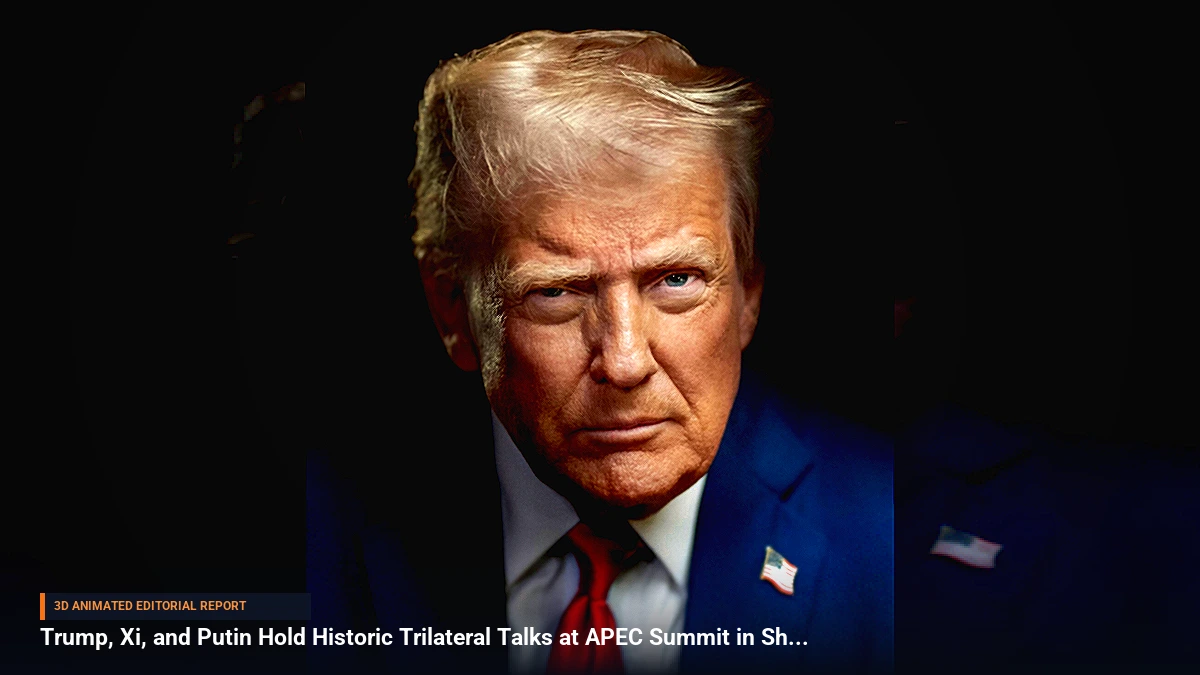
In a landmark diplomatic development that immediately dominated global headlines, US President Donald Trump, Chinese President Xi Jinping, and Russian President Vladimir Putin convened for a historic trilateral meeting during the APEC summit in Shenzhen, China. According to Chinese state media, the closed-door discussions lasted approximately an hour and a half, marking the first time the leaders of these three nuclear-armed superpowers have sat down together in such a dedicated format.
Upon arrival, President Trump publicly referred to both counterparts warmly, calling his Russian counterpart a "friend" and emphasizing to reporters that the three nations were "really making history." The discussions quickly expanded beyond routine diplomatic pleasantries to touch upon some of the most critical security and technological challenges facing the contemporary international system.
Following the conclusion of the summit, the leaders released a joint "peace declaration." While analysts continue to parse the exact phrasing of the text, initial reports indicate the document addresses pressing matters such as international conflict resolution, artificial intelligence governance, and strategic nuclear arms management.
Background & Key Context
The summit in Shenzhen unfolds against a backdrop of deep-seated geopolitical friction and shifting global alliances. Relations between Washington, Beijing, and Moscow have experienced intense volatility over recent years, driven by trade disputes, strategic competition in the Indo-Pacific, and the ongoing war in Ukraine.
During the lead-up to the three-way talks, President Putin highlighted that Moscow, Beijing, and Washington share "many converging interests" regarding the management and potential resolution of global conflicts, explicitly referencing the war in Ukraine which began in 2022. However, analysts point out that despite these rhetorical convergences, the fundamental strategic objectives of the three countries remain sharply divergent, ruling out simplistic historical parallels like a modern "Yalta" conference.
Key Takeaways
- Unprecedented Format: The meeting marks the first formal trilateral sit-down bringing together the leaders of the United States, China, and Russia.
- Location and Duration: The historic summit took place in Shenzhen, China, spanning roughly 90 minutes of intensive dialogue.
- Strategic Boundaries: Chinese President Xi Jinping emphasized during the talks that major powers must respect each other's bottom lines on sensitive geopolitical issues.
- Peace Declaration Issued: The three nations published a joint peace declaration addressing international peace, nuclear risks, and emerging technologies.
- Areas of Discussion: Talks spanned diverse global concerns, including AI regulation, energy flows, and ongoing international conflicts such as the war in Ukraine.
Impact, Analysis & Global/National Reactions
International relations experts have urged caution against viewing the Shenzhen summit through the lens of a "new Yalta" paradigm that carves up global spheres of influence. Instead, foreign policy analysts interpret the meeting as a tactical maneuver in major power competition.
Chinese President Xi Jinping used the platform to establish firm boundaries for great-power interaction, warning that major powers must avoid touching each other's "bottom lines" on sensitive subjects. This messaging is widely viewed as a direct reference to territorial and sovereignty issues, including Taiwan and regional security architectures.
Global markets and foreign ministries have responded with a mix of cautious optimism and strategic anxiety. While any high-level dialogue that addresses nuclear arms control and conflict reduction is broadly welcomed by the international community, allies in Europe and Asia are closely monitoring whether bilateral understandings are being forged at the expense of regional security.
What's Next: Looking Ahead
As the dust settles on the APEC summit in Shenzhen, policymakers and diplomats will turn their attention to the implementation of the newly released peace declaration. Observers will be watching closely to see whether the high-level rhetoric translates into actionable frameworks for artificial intelligence safety protocols and bilateral arms control negotiations.
Furthermore, the long-term diplomatic fallout of the trilateral format remains to be seen. Analysts will be assessing whether Shenzhen represents a one-off tactical convergence or the dawn of a more structured, albeit competitive, three-way great power diplomacy.

Be the first to comment
Start a useful conversation around this story.