
What Happened: The Core Developments
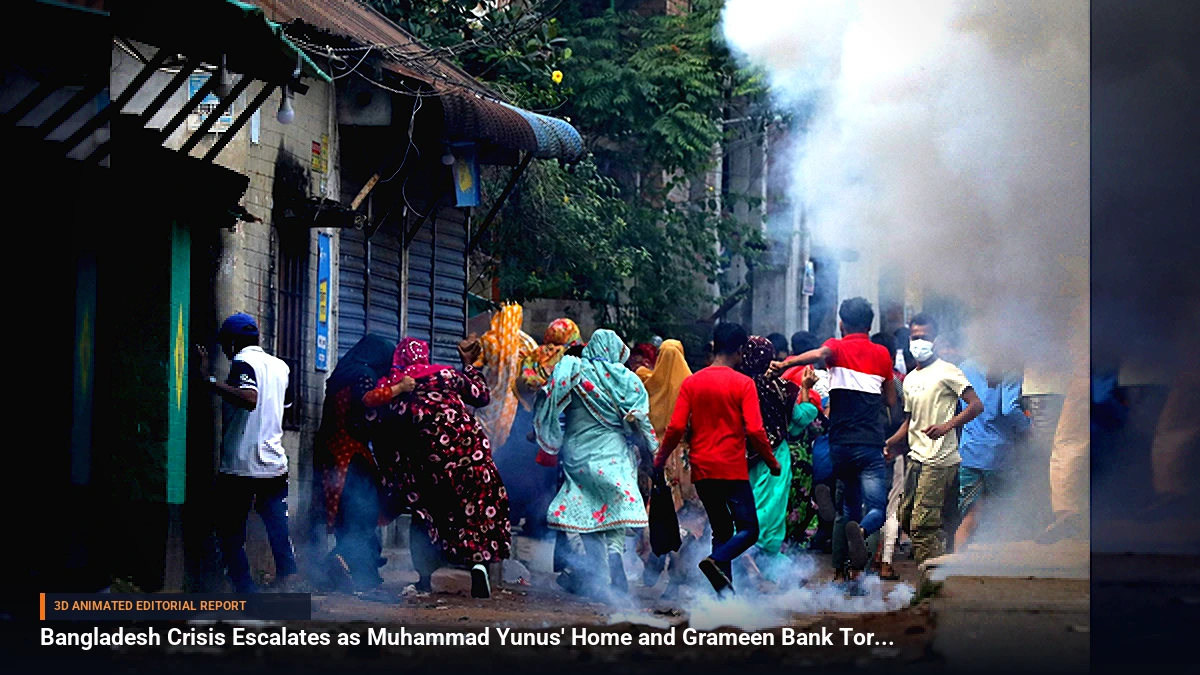
A wave of destructive civil unrest has swept across Bangladesh, marked by targeted arson attacks on prominent national institutions and figures. The private residence of former transitional leader Muhammad Yunus, alongside multiple branches of the pioneering microfinance institution Grameen Bank, was deliberately set ablaze amid escalating street confrontations.
The attacks represent a severe escalation in a security climate that has steadily deteriorated over preceding weeks. Witnesses and local reports indicate that mobs overwhelmed security perimeters in targeted zones, plunging critical civil infrastructure into chaos. Law enforcement and emergency response teams have faced immense challenges in containing the widespread blazes due to ongoing street-level skirmishes and localized roadblocks.
Background & Key Context
The immediate trigger for this dangerous surge in unrest is deeply rooted in the nation's fragile political transition. The coordinated violence coincides with intense public mobilization surrounding the anticipated return of ousted Prime Minister Sheikh Hasina. Hasina's political allies and opposition networks have increasingly clashed on the streets, transforming public spaces into flashpoints for ideological and partisan warfare.
Muhammad Yunus, renowned globally for his pioneering work with Grameen Bank and microcredit economics, had previously stepped into a transitional leadership role to steady the nation following prior political upheavals. However, the institutions tied to his legacy—as well as his personal property—have now become focal points for anti-establishment and rival partisan anger as the political pendulum swings violently back toward past power structures.
Key Takeaways
- Targeted Destruction: The private residence of former leader Muhammad Yunus and multiple regional branches of Grameen Bank were intentionally set on fire.
- Impending Political Flashpoint: The latest wave of violence directly precedes the highly controversial and anticipated return of ousted Prime Minister Sheikh Hasina.
- Deteriorating Security Grid: State security apparatuses, including local police infrastructure and deployed paramilitary units, are severely strained as clashes multiply across multiple districts.
- Institutional Vulnerability: Financial and social institutions, long viewed as neutral ground, are increasingly being dragged into active partisan conflicts.
Impact, Analysis & Global/National Reactions
International observers and regional analysts have expressed profound alarm over the deteriorating rule of law in Bangladesh. The targeting of foundational economic institutions like Grameen Bank threatens not only domestic financial stability but also deals a severe blow to the nation's international reputation regarding asset security and civil safety.
Security experts note that the systemic destruction of state and private properties highlights a worrying breakdown in social cohesion. Analysts emphasize that unless immediate, de-escalatory political dialogue is prioritized by all major factions, the country risks plunging into a prolonged cycle of institutional collapse.
What's Next: Looking Ahead
As Bangladesh braces for the high-stakes return of Sheikh Hasina, security forces remain on the highest state of alert. Further emergency deployments of paramilitary personnel are expected in major metropolitan areas and historical flashpoints to prevent total systemic paralysis. Stakeholders, international financial partners, and diplomatic missions will be monitoring the upcoming days closely to see if interim authorities can regain control of a rapidly unravelling security landscape.






Be the first to comment
Start a useful conversation around this story.