
What Happened: The Core Developments
Global geopolitical tensions have escalated sharply following a series of major security alerts issued by the United States government. American authorities have strongly advised all U.S. citizens currently residing in Iran to depart the country immediately, citing mounting concerns over sudden and severe regional disruptions. Furthermore, broader travel advisories have been extended across the Middle East, urging citizens and tourists to reconsider their travel plans as the security landscape deteriorates.
Simultaneously, the political leadership in Tehran has taken a hardline stance against diplomatic outreach. Iran has officially ruled out any possibility of reopening the critical Strait of Hormuz to normal commercial and strategic transit, while also rejecting a return to bilateral talks with the United States until a distinct set of pre-conditions formulated by Tehran is fully satisfied.
Background & Key Context
The current crisis builds upon a long-standing series of escalations involving regional proxy groups, international maritime routes, and high-stakes diplomacy. The Strait of Hormuz remains one of the world's most vital maritime chokepoints for global energy supplies, making any threat of closure a matter of intense international economic concern. Previous diplomatic deadlocks have repeatedly brought Washington and Tehran to the brink of open confrontation, with security analysts closely monitoring every movement of military assets and political leaders in the region.
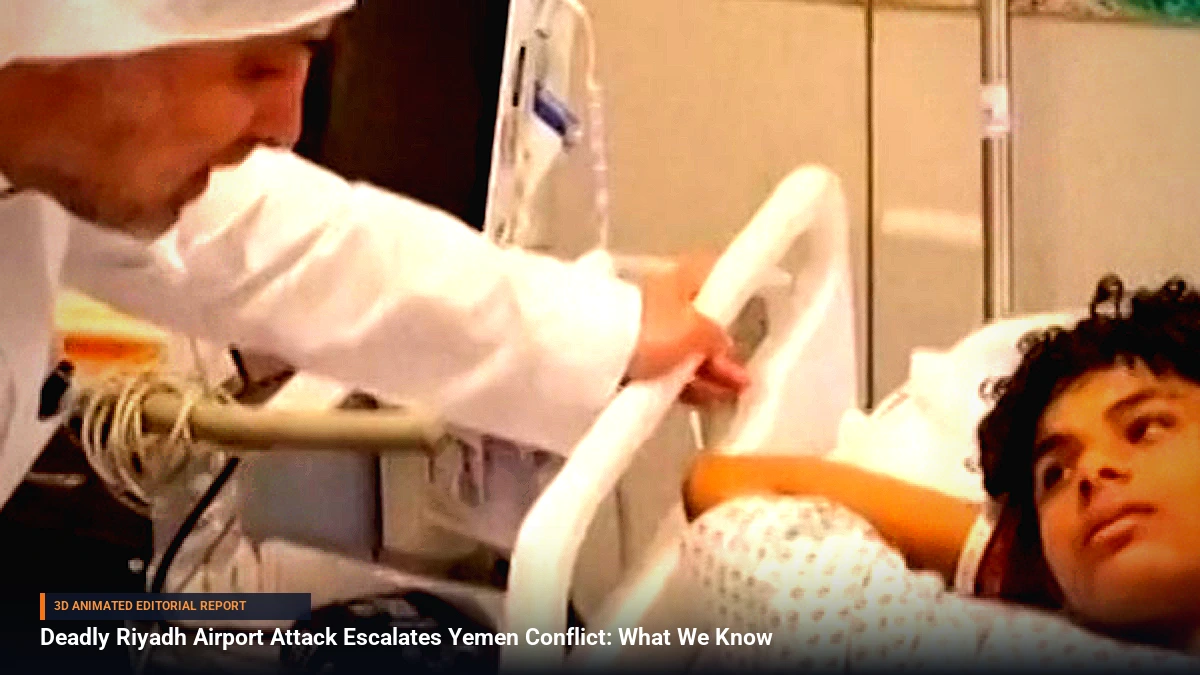
Recent kinetic incidents, including attacks attributed to regional actors targeting strategic sites in Saudi Arabia, have amplified fears that localized conflicts could quickly spiral into a wider theater war. In response, high-ranking Western officials have intensified crisis-management protocols, reflecting the fragile state of security across the entire Middle Eastern corridor.
Key Takeaways
- Immediate Evacuation Warning: The U.S. State Department has formally urged all American nationals to leave Iran immediately due to the heightened risk of sudden conflict.
- Broader Regional Advisories: Travel warnings have been expanded across the Middle East, advising against non-essential travel in light of potential rapid escalations.
- Strait of Hormuz Blockade: Tehran has categorically refused to reopen the vital shipping lane until its stringent terms are acknowledged and met.
- Diplomatic Stagnation: Direct talks between Washington and Tehran remain frozen as Iranian leadership outlines strict pre-conditions for future dialogue.
- Global Economic Anxiety: Markets and international shipping authorities are on high alert regarding potential disruptions to global energy transit corridors.
Impact, Analysis & Global/National Reactions
The convergence of urgent travel restrictions and Tehran's uncompromising conditions has sent ripples through international financial and diplomatic markets. Energy analysts warn that any prolonged disruption or formal closure of the Strait of Hormuz could trigger severe shocks in global oil prices, directly impacting industrialized economies worldwide.
International bodies and allied nations have expressed profound concern over the deteriorating situation. Observers note that the alignment of aggressive regional proxy actions and hardened official stances leaves very little room for immediate diplomatic maneuvering, raising the threshold for potential miscalculation between military forces operating in close proximity.
What's Next: Looking Ahead
As diplomatic channels remain strained, intelligence and security agencies globally will closely monitor maritime traffic through the Persian Gulf and the Gulf of Oman. Observers will be watching for any signs of de-escalation from Washington or any softening of Tehran's newly issued seven conditions.
Upcoming international forums and emergency diplomatic consultations are expected to focus heavily on securing maritime freedom of navigation and mitigating the threat of broader military engagement. In the interim, travelers and expatriates across the region are advised to maintain constant vigilance and adhere strictly to updated embassy guidelines.

Be the first to comment
Start a useful conversation around this story.