
What Happened: The Core Developments
Tensions in the strategically vital waters of the Middle East escalated into a war of words following a high-stakes military assertion by Tehran. According to official Iranian state media and military statements, an Iranian air defense missile successfully engaged and damaged a United States F-16 fighter jet operating over the Persian Gulf. Iranian officials maintained that the strike forced the American aircraft to abort its mission, sustain structural or operational compromise, and execute an emergency landing.
However, this narrative was swiftly dismantled by Washington. United States military spokespersons issued unequivocal denials, rejecting the Iranian account entirely. American officials clarified that no such incident occurred, and no US aircraft sustained damage from hostile fire in the region. The sharp divergence between Tehran's bold declarations and Washington's flat denials underscores a recurring pattern of psychological and information operations running parallel to physical maneuvers in the Gulf.
Background & Key Context
The Persian Gulf remains one of the most heavily militarized and politically volatile waterways in the world, serving as a frequent flashpoint for geopolitical friction between the United States and Iran. Maritime and aerial encounters between American forces and the Islamic Revolutionary Guard Corps (IRGC) or regular Iranian armed forces have historically been frequent, often involving close-proximity drone interactions, fast-boat harassments, and airspace disputes.
In tandem with the alleged F-16 incident, regional reporting highlighted simultaneous tensions, including claims of US radar targets being impacted during broader escalations involving military infrastructure in neighboring Bahrain. Furthermore, the announcement coincided with domestic displays of military might by Tehran, including the public unveiling of fortified underground "missile cities." These concurrent events paint a picture of a regime eager to project strength both internally and externally, utilizing strategic messaging to counter perceived foreign pressure.
Key Takeaways
- Conflicting Narratives: Tehran claims an air defense missile struck a US F-16 over the Persian Gulf, forcing an emergency landing.
- Definitive Rebuttal: The United States military has firmly denied the claim, stating no such missile strike or aircraft damage occurred.
- Broader Regional Flashpoints: The incident unfolded alongside reports of wider escalations, including alleged threats to regional radar assets.
- Information Warfare: Analysts view the conflicting reports as part of a broader campaign of strategic deterrence and psychological posturing.
- Show of Force: The claim coincided with Iran's domestic disclosures of advanced underground missile capabilities.
Impact, Analysis & Global/National Reactions
From an analytical perspective, the episode highlights the profound information asymmetry and narrative battles that define modern asymmetric conflicts. When physical clashes are either absent or difficult to independently verify, state actors frequently leverage domestic media to claim tactical victories, bolstering local morale and projecting deterrence.
International defense analysts note that while tactical encounters between US and Iranian assets do occur, verifiable shoot-downs or significant missile strikes on modern Western fighter aircraft are monumental events that would instantly trigger severe strategic escalations. The absence of corroborating telemetry, satellite imagery, or independent confirmation strongly supports the American denial. Nevertheless, the speed with which these claims circulate underscores the fragility of regional stability, where a single unverified rumor can temporarily rattle international markets and diplomatic channels.
What's Next: Looking Ahead
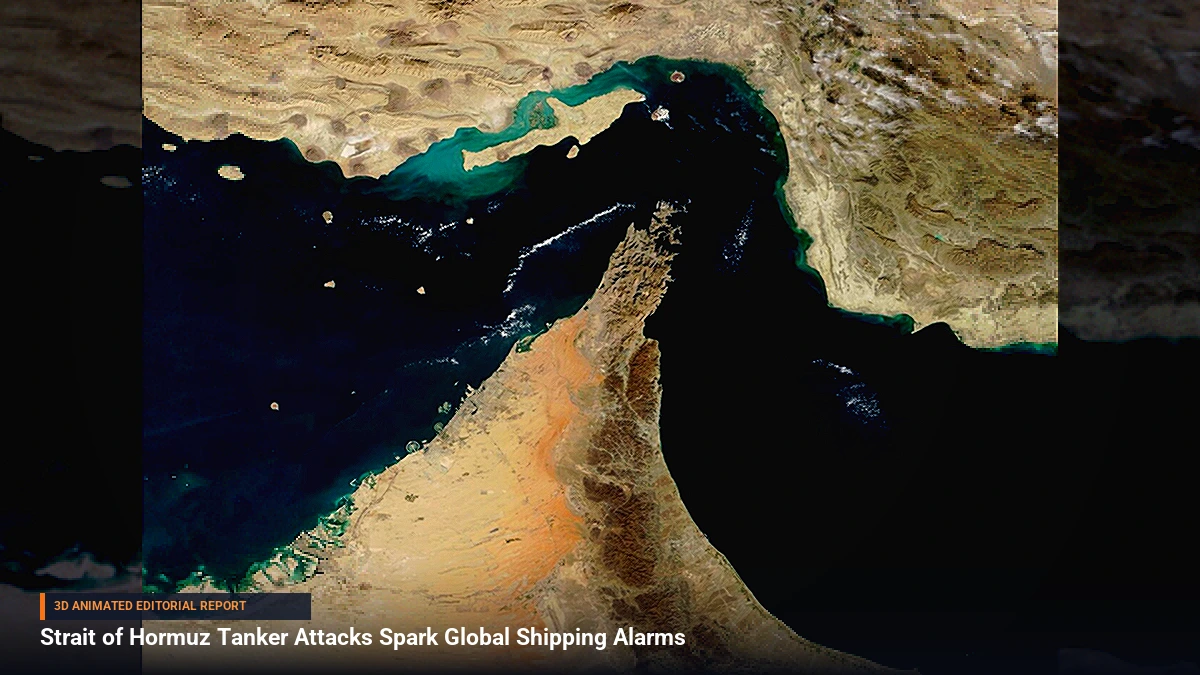
As diplomatic channels remain strained, defense watchers will be closely monitoring aerial and maritime traffic patterns across the Persian Gulf and the Strait of Hormuz. Both Washington and Tehran remain locked in a delicate dance of deterrence, where avoidance of direct kinetic conflict remains the primary objective, even as rhetoric intensifies. Observers will be looking for any shifts in US force posture or heightened defensive readiness across regional bases in Bahrain and surrounding allied nations to gauge whether this verbal sparring translates into actual tactical adjustments on the ground.

Be the first to comment
Start a useful conversation around this story.