
What Happened: The Core Developments
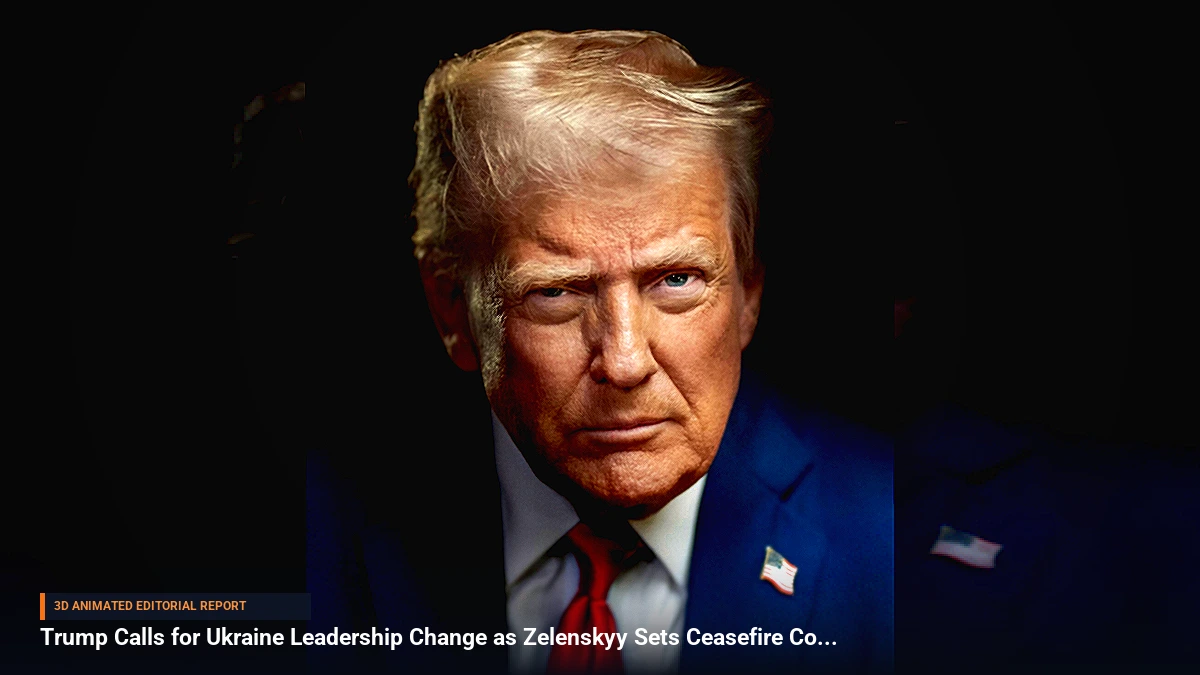
The diplomatic landscape surrounding the ongoing war in Ukraine has entered a volatile phase, marked by starkly divergent peace proposals, conflicting battlefield reports, and public friction between Washington and Kyiv. Recently, Russian authorities formally rejected a 60-day total ceasefire proposal put forward by Ukrainian President Volodymyr Zelenskyy. Instead, Moscow countered with a conditional offer for a restrictive one-day ceasefire, tethered directly to the demand that Ukraine organize and hold national elections.
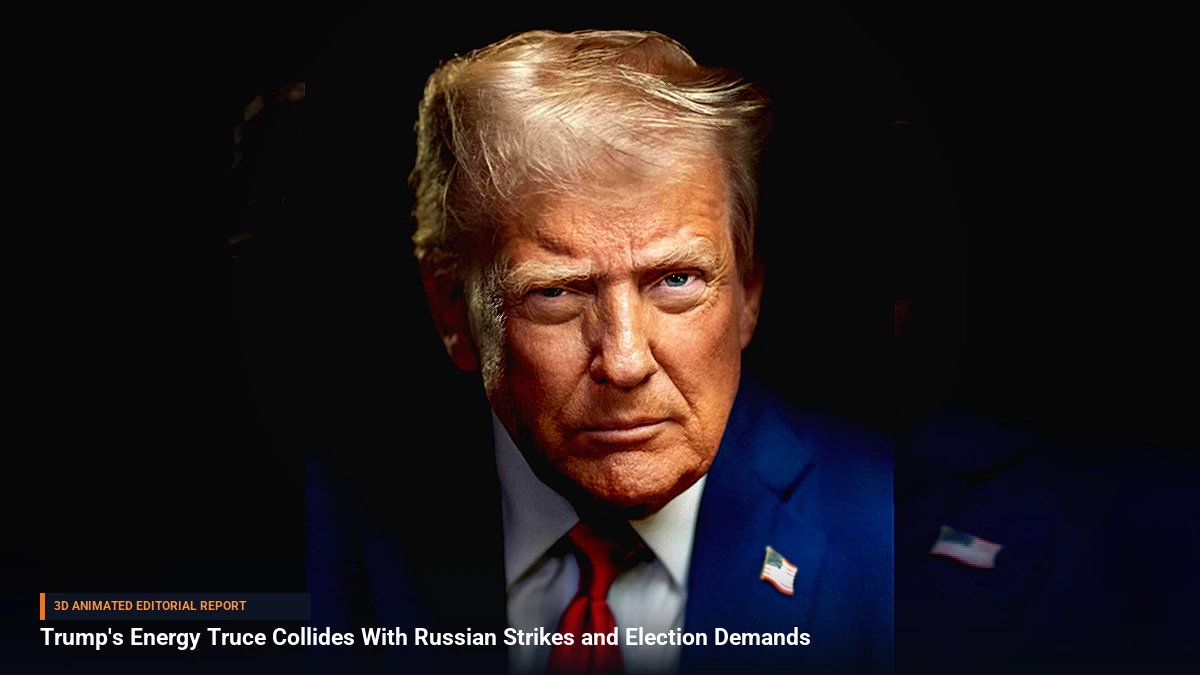
Simultaneously, United States President Donald Trump announced a partial energy ceasefire intended to halt attacks on critical infrastructure. However, the announcement triggered immediate confusion on the ground. President Zelenskyy publicly remarked that the declared truce came as complete "news" to him, noting dryly that Russian leadership seemingly "does not read Truth Social," the platform where the US president posted the declaration. Despite Washington's insistence that the energy ceasefire remains active and respected, Ukrainian authorities have continued to report ongoing Russian missile and drone strikes targeting critical energy facilities across the country.
Background & Key Context
The friction over a potential energy moratorium builds on months of grueling infrastructure warfare. Throughout the conflict, Russian forces have systematically targeted Ukraine’s power grid, seeking to degrade civilian morale and paralyze economic output during vulnerable seasons. Meanwhile, political pressures within Ukraine have mounted regarding the constitutional and logistical challenges of holding democratic elections during active martial law.
President Zelenskyy’s initial 60-day truce proposal was strategically designed to carve out a viable window for democratic processes to unfold without the immediate threat of total infrastructural collapse. Conversely, Moscow's insistence on a compressed, one-day conditional ceasefire—coupled with strict electoral prerequisites—has been widely interpreted by international observers as a tactical maneuver rather than a genuine step toward de-escalation.
Key Takeaways
- Rejected Truce Bids: Moscow officially dismissed Kyiv's 60-day ceasefire proposal while offering a restrictive one-day alternative conditioned on holding elections.
- Disputed Energy Truce: US President Trump announced a partial energy ceasefire, which Ukrainian leadership initially claimed was uncoordinated and unexpected.
- Continuing Infrastructure Attacks: Despite Washington's insistence that the energy moratorium holds, Ukraine continues to report relentless Russian bombardments targeting its power grid.
- Diplomatic Disconnect: Public statements reveal a growing communication gap between the White House's declarations and the tactical realities experienced on the ground in Ukraine.
- Strategic Skepticism: European allies and Ukrainian officials have expressed deepening doubts regarding Russia's willingness to honor any partial or comprehensive cessation of hostilities.
Impact, Analysis & Global/National Reactions
The juxtaposition of Washington's optimistic truce declarations and Kyiv's grim battlefield reports has fueled intense debate among international security analysts. Critics argue that uncoordinated announcements risk undermining allied solidarity and playing directly into Russian strategic narratives.
President Zelenskyy emphasized that ongoing attacks make it "increasingly clear" that Moscow has no genuine interest in halting energy infrastructure destruction. Security experts note that targeting energy grids ahead of winter serves as psychological leverage, complicating any framework for sustainable negotiations. Meanwhile, European leaders have voiced cautious skepticism, questioning the enforcement mechanisms behind the US-led energy ceasefire and warning that premature diplomatic declarations could weaken Ukraine's defensive posture.
What's Next: Looking Ahead
As the diplomatic deadlock persists, attention turns to upcoming international summits and bilateral consultations between Washington and European capitals. Stakeholders will be closely monitoring whether the disputed energy ceasefire can be formalized through verifiable enforcement mechanisms or if it will collapse entirely under the weight of active hostilities.
Furthermore, domestic pressure inside Ukraine regarding governance and the timeline for future elections will continue to intersect with military imperatives. Without a reliable framework agreed upon by all belligerents, the prospect of a lasting diplomatic breakthrough remains precarious, leaving civilians bracing for another challenging phase of the conflict.



Be the first to comment
Start a useful conversation around this story.