
What Happened: The Core Developments
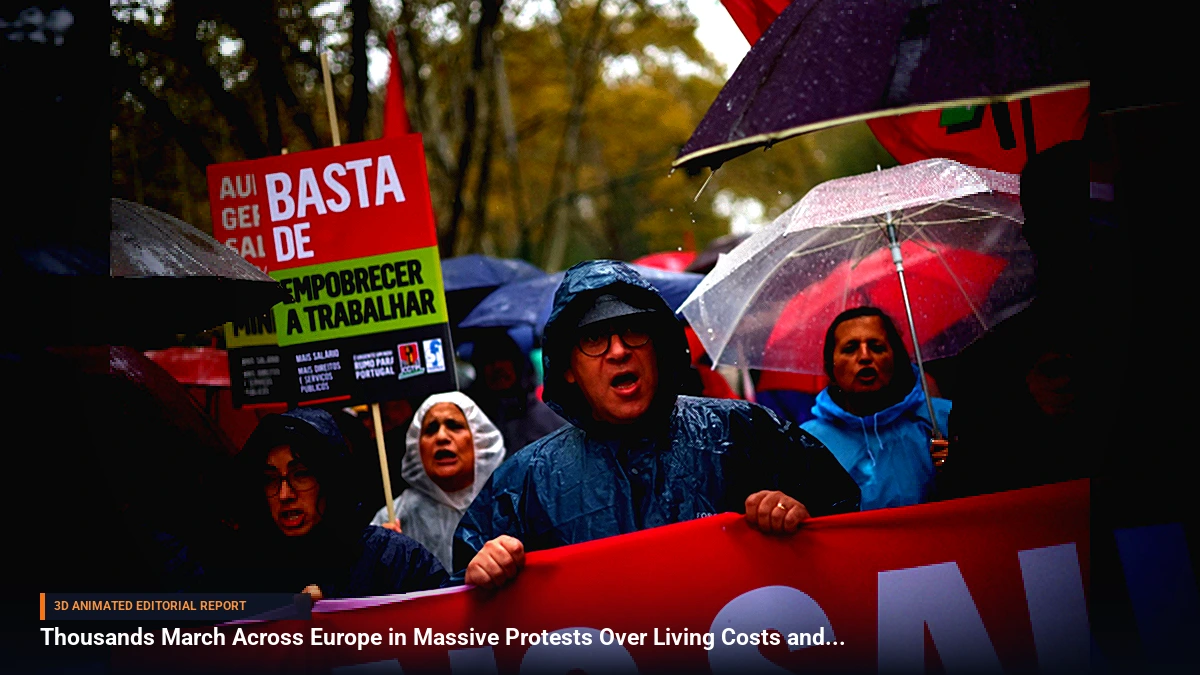
A fresh wave of widespread civil unrest has swept across Western Europe, with thousands of demonstrators marching through major urban centers including Lisbon, Portugal, as well as locations in France and Spain. Armed with banners demanding lower rents and higher wages, protesters turned out in large numbers to voice deep-seated anger over the compounding crises of cost of living and housing affordability.
In Lisbon, the atmosphere was charged as demonstrators filled public squares, shouting slogans and highlighting how ordinary families and younger citizens are increasingly priced out of their own neighborhoods. The rallies reflect a synchronized regional pushback against economic policies that many feel have failed to protect vulnerable populations from rampant inflation.
Background & Key Context
The current demonstrations do not happen in a vacuum; they represent the boiling point of long-standing economic grievances across the continent. Over recent years, major European cities—particularly in Southern and Western Europe—have experienced unprecedented surges in real estate values, driven heavily by tourism, foreign investment, and a lack of adequate public housing supply.
Simultaneously, wage growth has failed to keep pace with the dramatic escalation of everyday expenses, including food, energy, and transportation. These structural challenges have disproportionately impacted younger demographics, leading to a broader youth-led movement that connects educational precarity with immediate financial hardship and bleak career prospects.
Key Takeaways
- Mass Mobilization: Thousands of people participated in coordinated protests spanning Portugal, France, and Spain.
- Core Grievances: Demonstrators specifically targeted soaring housing costs, low salaries, and runaway inflation.
- Youth-Led Energy: Much of the organizational momentum stems from younger generations facing severe economic hurdles.
- Regional Solidarity: The protests underscore shared socioeconomic struggles transcending national borders within Western Europe.
- Policy Pressure: Citizens are increasingly demanding direct governmental intervention in real estate markets and wage structures.
Impact, Analysis & Global/National Reactions
The simultaneous eruption of protests in multiple European capitals places immense pressure on regional governments to reevaluate their macroeconomic and housing strategies. Analysts note that these demonstrations expose the limitations of current market-driven solutions in housing, which have largely benefited investors while leaving working-class families behind.
While official responses from national administrations are still unfolding, political commentators emphasize that ignoring this groundswell of public discontent could lead to deeper political polarization. Civil society organizations have rallied behind the protesters, urging lawmakers to treat housing as a fundamental human right rather than a speculative asset class.
What's Next: Looking Ahead
As public pressure mounts, all eyes turn to national parliaments and municipal governments to see whether they will introduce emergency legislation to curb rental inflation and boost minimum wages. Civil rights groups and labor unions have signaled that these demonstrations are only the beginning unless substantive policy changes are enacted to alleviate the ongoing cost-of-living squeeze across Europe.





Be the first to comment
Start a useful conversation around this story.