
What Happened: The Core Developments
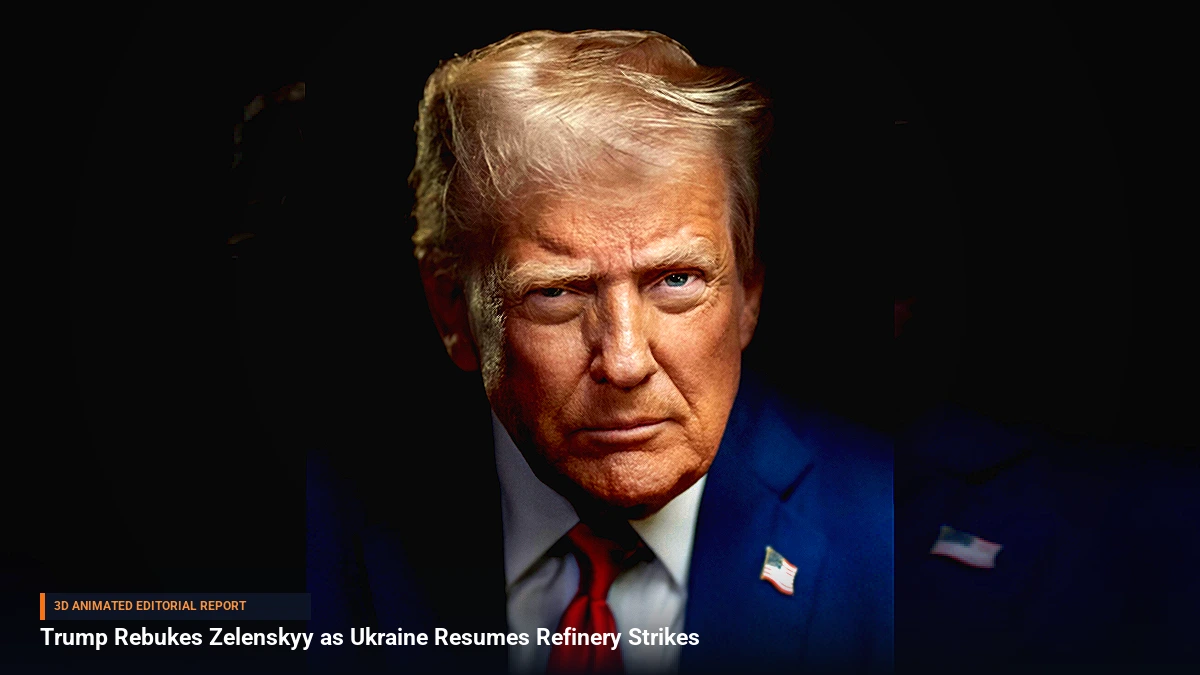
US President Donald Trump and Chinese President Xi Jinping recently concluded a comprehensive three-day bilateral summit in Washington, DC. Designed to address mounting geopolitical friction, the high-profile meeting featured structured diplomatic engagements, private discussions, and a lavish state dinner at the White House.
The guest list for the presidential banquet read like a who's who of global technology and corporate leadership, bringing together figures such as Tesla CEO Elon Musk, Apple CEO Tim Cook, and OpenAI CEO Sam Altman. Beyond the pageantry, the summit yielded tangible diplomatic outcomes, including formal pledges to maintain bilateral stability, localized agreements centered on a $30 billion tariff reduction, and the establishment of a dedicated framework for artificial intelligence dialogue.
Simultaneously, domestic developments captured national attention as the White House barred news outlet CNN from traveling on Air Force One to cover President Trump's official tour to Tennessee. This restriction marked another escalation in long-standing tensions between the administration and major news media organizations.
Background & Key Context
Relations between Washington and Beijing have experienced prolonged structural strain, spanning intellectual property disputes, technology transfer restrictions, maritime security concerns in the South China Sea, and enduring trade imbalances. The three-day Washington summit represented an effort by both administrations to establish a pragmatic floor under deteriorating bilateral ties.
While the red-carpet reception and informal tea sessions signaled a desire for diplomatic normalization, foundational strategic competition remains deeply entrenched. Economists and foreign policy analysts noted that while the announced $30 billion tariff cuts provide immediate relief to select export sectors, they represent only a fraction of the broader tariff architecture constructed over successive administrations.
On the domestic front, the exclusion of CNN from the presidential press pool aboard Air Force One underscores ongoing friction regarding media access, amplifying broader discussions over journalistic freedoms and institutional transparency within the United States.
Key Takeaways
- High-Level Engagement: Presidents Trump and Xi participated in an intensive three-day summit in Washington, DC, aimed at stabilizing bilateral relations.
- Corporate Presence: The White House state dinner convened top-tier technology executives, including Elon Musk, Tim Cook, and Sam Altman.
- Tangible Agreements: The summit concluded with a $30 billion mutual tariff reduction and the launch of a formal artificial intelligence dialogue framework.
- Strategic Optics: Despite warm exchanges and tea ceremonies, analysts noted that deep-seated geopolitical rivalries remain largely unresolved.
- Media Restrictions: In a parallel domestic development, the White House barred CNN journalists from traveling on Air Force One during a presidential trip to Tennessee.
Impact, Analysis & Global/National Reactions
International observers have offered mixed reviews of the Washington summit. Market analysts welcomed the modest tariff reductions as a positive signal for global supply chains, yet cautioned that the lack of binding long-term structural reforms leaves considerable uncertainty for multinational corporations.
Global capitals, particularly across the Indo-Pacific, monitored the engagements closely. Allies and regional competitors alike are assessing whether the detente signals a genuine shift toward cooperative great-power management or merely a temporary pause in strategic competition. Meanwhile, press freedom advocates and media organizations sharply criticized the decision to exclude CNN from the presidential travel pool, viewing it as an affront to open journalistic access and public accountability.
What's Next: Looking Ahead
Implementation mechanisms for the newly announced $30 billion tariff cuts and the artificial intelligence dialogue framework will face rigorous scrutiny in the coming weeks. Trade representatives from both nations are expected to hold follow-up technical discussions to finalize the scope and enforcement timelines of these agreements.
Domestically, media organizations and legal analysts will continue to challenge administrative restrictions on press access, while political observers monitor how the fragile diplomatic truce between Washington and Beijing influences upcoming international summits and legislative agendas.

Be the first to comment
Start a useful conversation around this story.