
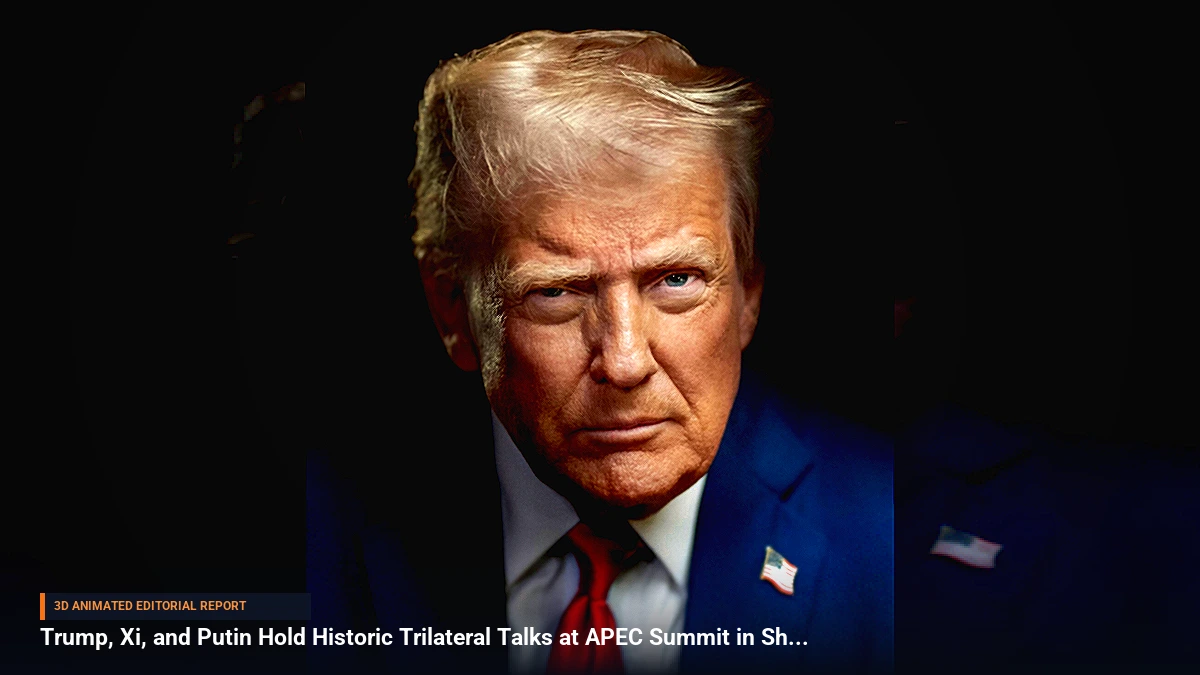
What Happened: The Core Developments
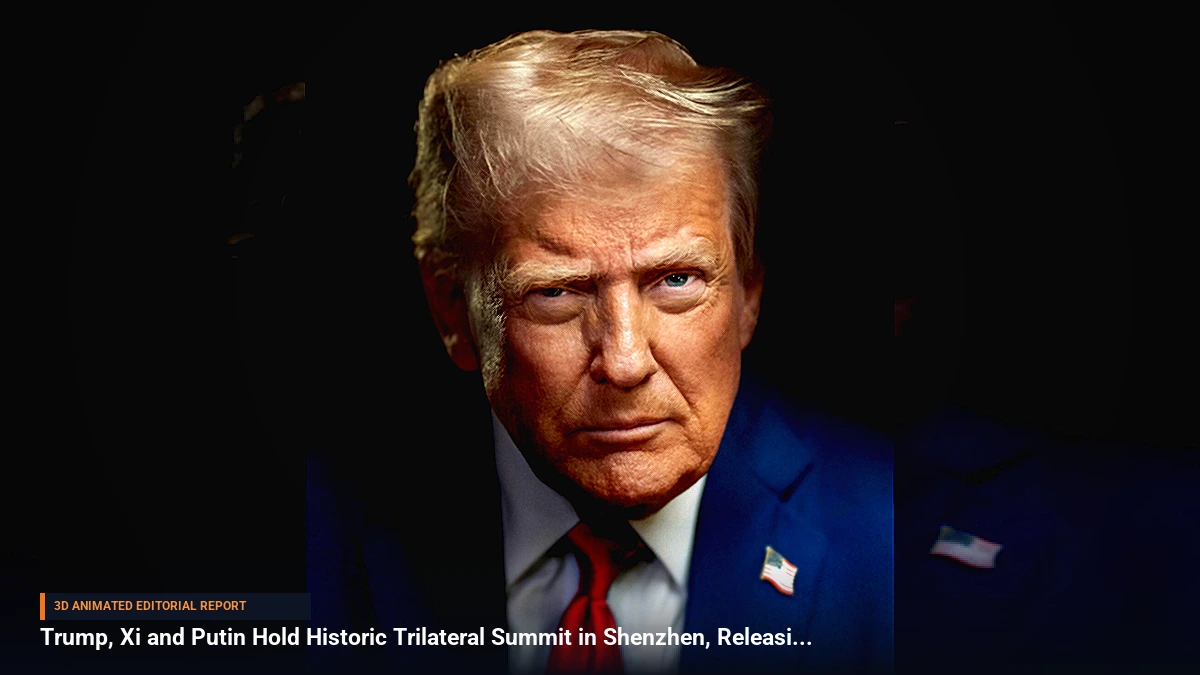
In a landmark diplomatic development that has instantly reshaped the post-war global order, US President Donald Trump, Chinese President Xi Jinping, and Russian President Vladimir Putin gathered for unprecedented trilateral talks during the APEC summit in the Chinese tech hub of Shenzhen. The high-stakes summit brought together three of the world’s most powerful leaders under one roof, with discussions spanning international security, technological collaboration, and global economic frameworks.
Opening the summit with strong words on global stability, Chinese President Xi Jinping warned of the severe consequences if major powers allow conflicts to escalate, stating that "chaos if major powers clash" would be the inevitable result. Xi advocated strongly for the elimination of trade and investment barriers, emphasized the central role of the World Trade Organization, and called for deepened multilateral cooperation in artificial intelligence and green transitions. Meanwhile, US President Donald Trump struck an optimistic note ahead of the proceedings, characterizing the meeting as "making history" and declaring the diplomatic gathering a definitive "win" before talks officially commenced. Adding a striking visual element to the high-security event, Russian President Vladimir Putin's nuclear briefcase made a surprise appearance, drawing intense media scrutiny as bilateral and multilateral negotiations got underway.
Background & Key Context
The trilateral summit follows months of shifting geopolitical alignments and persistent regional conflicts across Europe and the Middle East. Hosting the gathering in Shenzhen placed China at the center of critical superpower diplomacy, mirroring historic summits of the past where dominant states negotiated spheres of influence. For Russia, the meeting offered a massive international platform despite ongoing isolation from Western allies over the war in Ukraine. Diplomatic analysts immediately drew historical parallels to summits like Yalta, raising questions about whether major powers might attempt to redraw global security architecture without the direct participation of smaller or heavily impacted nations.
Key Takeaways
- Historic Three-Way Summit: Presidents Donald Trump, Xi Jinping, and Vladimir Putin conducted unprecedented trilateral discussions at the APEC summit in Shenzhen, China.
- Economic and Tech Appeals: Xi Jinping warned against major power clashes, urging the removal of global trade barriers and enhanced cooperation in artificial intelligence.
- Optimistic Framing: Donald Trump hailed the meeting as a historic milestone and an immediate diplomatic victory for his administration.
- High-Security Optics: Vladimir Putin's nuclear briefcase made a notable and unexpected appearance at the venue, underscoring the heavy strategic stakes involved.
- Anxieties Among Allies: Excluded regions, including Ukraine, Baltic states, Taiwan, and Iran, expressed deep nervousness over the potential for a backroom carve-up of regional security.
Impact, Analysis & Global/National Reactions
The historic sit-down has triggered immediate anxiety across international capitals, particularly among nations unrepresented at the negotiating table. Diplomatic observers note that regions actively embroiled in geopolitical friction—most notably Ukraine, eastern European and Baltic states, Taiwan, and Iran—fear they could become secondary considerations in a broader grand bargain between Washington, Beijing, and Moscow.
While analysts view the summit as a major public relations coup for Vladimir Putin, affording him a central global stage despite ongoing Western sanctions and the prolonged conflict in Ukraine, critics caution that high-profile optics may ultimately outpace substantive policy resolutions. Western security analysts remain divided on whether the talks will foster genuine de-escalation or merely codify competitive coexistence among rival superpowers at the expense of smaller sovereign states.
What's Next: Looking Ahead
As the APEC summit concludes, attention shifts toward the follow-up bilateral meetings scheduled between individual leaders, particularly the intensive one-on-one sessions between Donald Trump and Vladimir Putin regarding post-war security guarantees and the ongoing crisis in Ukraine. Stakeholders worldwide will closely monitor whether the lofty rhetoric on trade and artificial intelligence cooperation translates into binding multilateral frameworks or remains purely symbolic diplomacy.


Be the first to comment
Start a useful conversation around this story.