
What Happened: The Core Developments
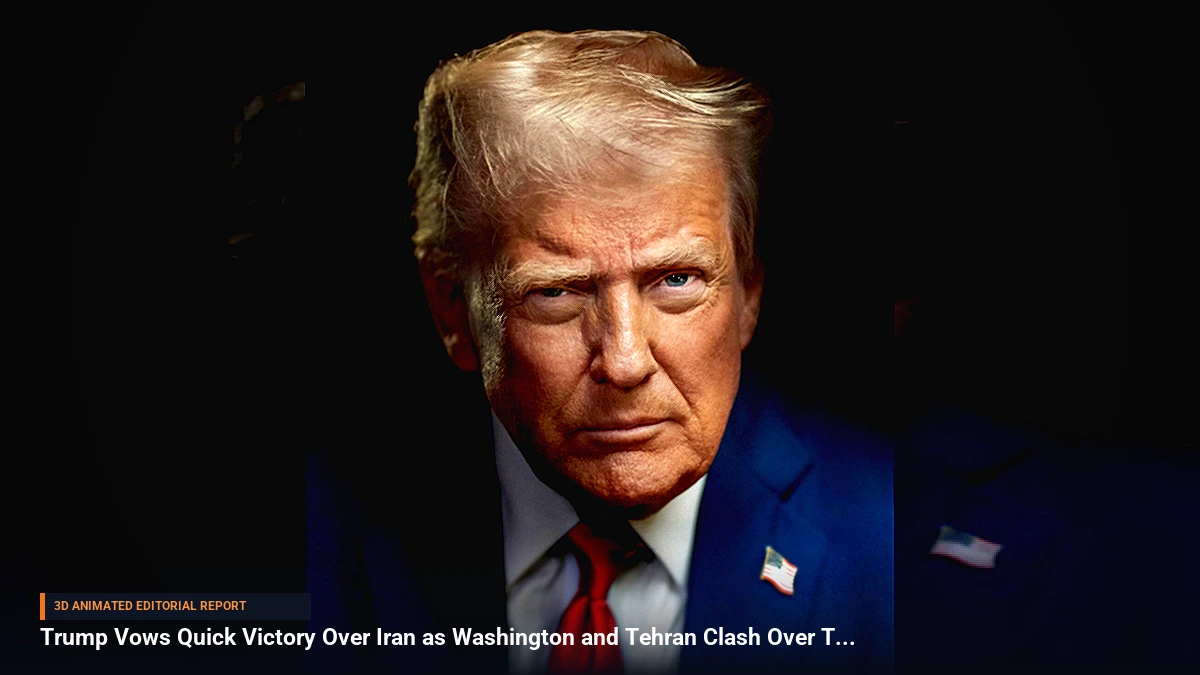
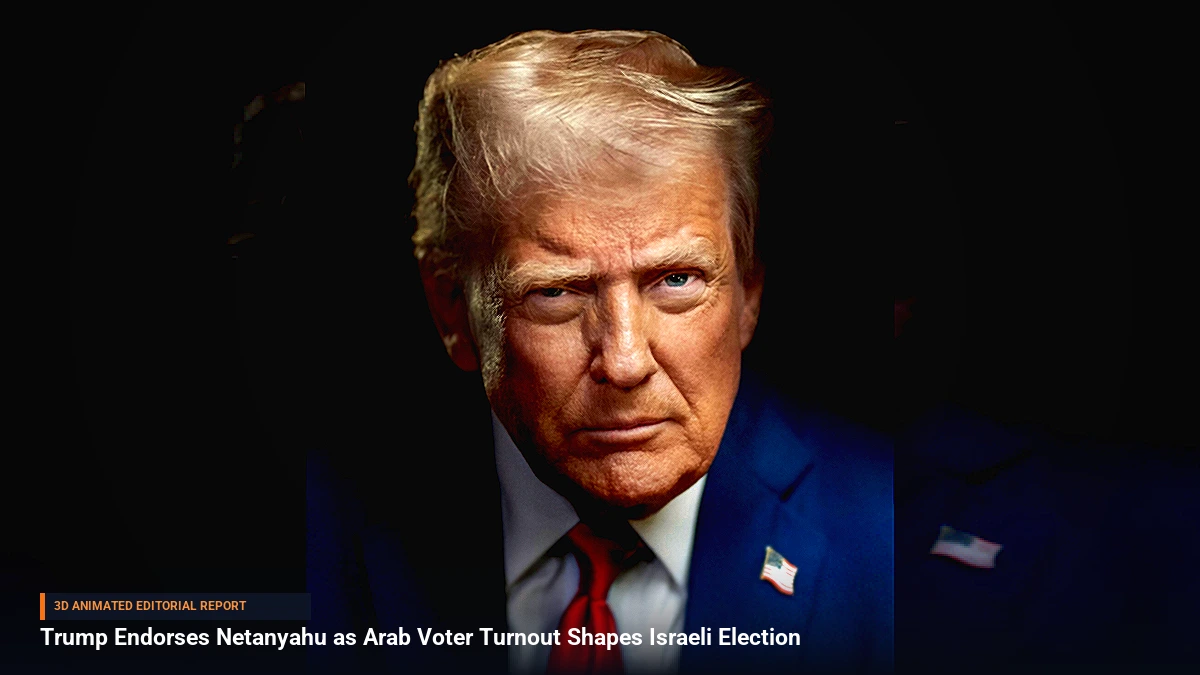
President Donald Trump has doubled down on his administration's military objectives, declaring that the United States is poised to win the ongoing conflict with Iran "very soon" and "one way or another" [10389, 9857]. Speaking amid a tense backdrop of fluctuating diplomatic signals, Trump explicitly refused to rule out the possibility of launching fresh military strikes against Iranian targets before the upcoming midterm elections [10389, 9670].
The escalation in rhetoric follows Washington's rejection of an Iranian proposal concerning the strategic Strait of Hormuz [9520, 9686]. Despite nixing the proposal, Trump stated that he expects diplomatic engagement and negotiations to resume [9520, 9686, 9857]. However, this projection has met immediate resistance from Iranian officials, who have formally stated that Tehran has no plans to negotiate with the United States [9520, 9686, 9857], creating an intense public divergence in diplomatic narratives.
Furthermore, the White House has moved to quash speculation surrounding potential economic concessions. President Trump explicitly denied recent media reports suggesting that his administration offered Tehran sanctions relief and the release of frozen funds [9977], maintaining a posture of maximum economic pressure.
Background & Key Context
The current hostilities and diplomatic friction unfold against a complex geopolitical and domestic canvas. The strategic control of the Strait of Hormuz remains a central friction point, with vital global energy corridors caught directly in the crosshairs of military calculations. Previous backchannel communications have repeatedly stalled over the wide gulf separating US demands for total nuclear compliance and Iran's resistance to unilateral pressure.
Domestically, the timing of the conflict is deeply intertwined with the looming US midterm elections [10389, 9670]. Political analysts note that foreign policy stances and military postures are heavily scrutinized as both parties vie for control of Congress, intensifying the pressure on the executive branch to project decisive leadership.
Key Takeaways
- Assertive Rhetoric: President Trump stated the US will win the conflict with Iran "very soon" and "one way or another" [10389, 9857].
- Military Options Open: The administration has refused to rule out launching fresh strikes against Iran prior to the midterm elections [10389, 9670].
- Contradictory Stances on Talks: While Trump anticipates that negotiations will resume shortly, Iranian officials have explicitly stated they have no plans to engage in talks with the US [9520, 9686, 9857].
- Sanctions Denial: Trump dismissed reports that his administration offered Tehran sanctions relief and frozen funds in exchange for concessions [9977].
- Strait of Hormuz Rejection: Washington recently rejected an Iranian proposal regarding the vital waterway [9520, 9686], choosing instead to sustain economic and military pressure.
Impact, Analysis & Global/National Reactions
The stark divergence in messaging between Washington and Tehran highlights the extreme volatility of the current security landscape. Financial markets have already shown sensitivity to the developments, with minor downward adjustments observed in futures as traders price in the risk of prolonged military engagement or pre-election escalation [9670].
International observers point out that the administration's refusal to offer premature sanctions relief is designed to deny Tehran any leverage derived from the US electoral calendar [9876]. By signaling strength and keeping military options active, the White House aims to project an unyielding posture, though critics warn that the complete breakdown of formal communication channels elevates the risk of unintended escalation.
What's Next: Looking Ahead
As the US midterm elections draw closer, all eyes remain on whether backchannel intermediaries can successfully bridge the gap between Washington and Tehran, or if further military actions will materialize [9670, 9857]. Stakeholders in global energy markets will closely monitor transit security in the Strait of Hormuz, while policymakers in Washington navigate domestic oversight agendas and legislative priorities amid ongoing geopolitical tensions.

Be the first to comment
Start a useful conversation around this story.