
What Happened: The Core Developments
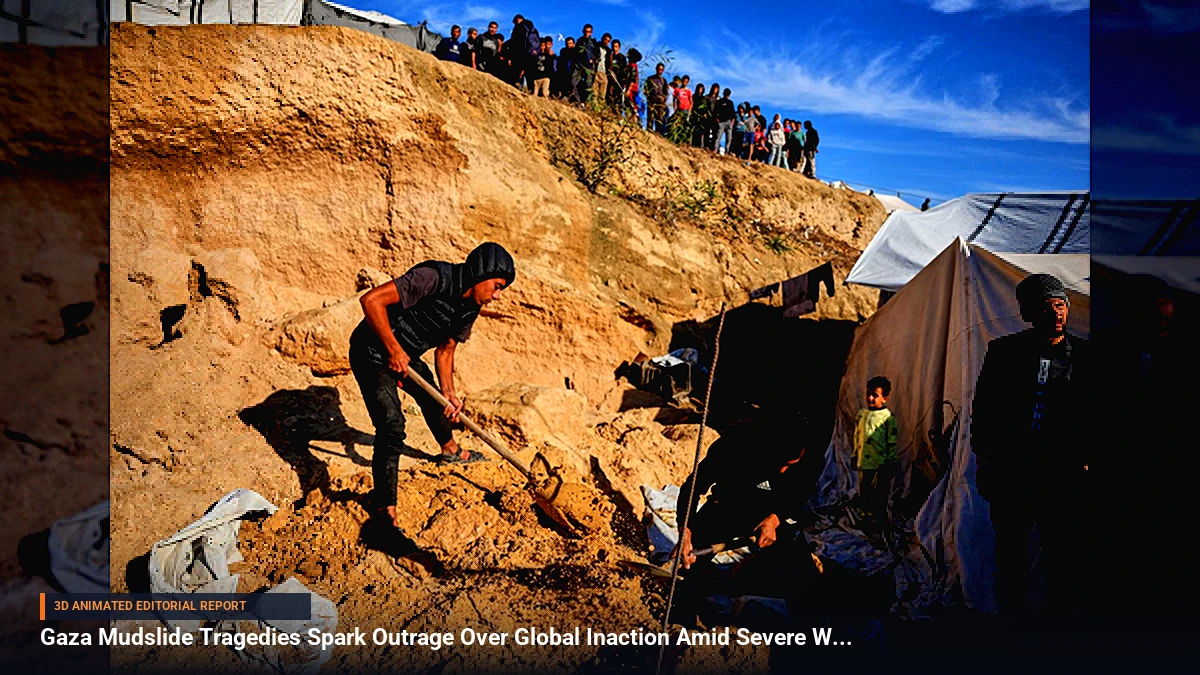
A tragic natural disaster struck vulnerable populations in Gaza as heavy, unrelenting rainfall triggered a catastrophic sandbank and mudslide collapse. The geological failure buried and crushed makeshift shelters, resulting in the deaths of five people. Among the victims were a woman and four young children, highlighting the acute exposure of civilians living in temporary encampments.
The disaster follows a severe weather front that battered the region, causing widespread inundation. Reports from local monitors indicate an alarming scale of infrastructural failure, with approximately 70,000 tents flooding within a compressed 12-hour window. Displaced families, already enduring immense hardship, found themselves entirely submerged or stripped of basic overhead protection as water levels rose rapidly across the camps.
Background & Key Context
The latest weather-related fatalities underscore the compounding dangers faced by hundreds of thousands of displaced Palestinians currently residing in temporary, makeshift housing throughout the enclave. Years of infrastructural decay, combined with severe restrictions on the import of construction materials, heavy machinery, and humanitarian aid, have left local populations defenseless against seasonal environmental hazards.
As winter weather patterns intensify, civil defense units and humanitarian organizations have repeatedly warned that tents constructed from flimsy fabric, plastic sheeting, and rudimentary wooden poles are entirely unsuited to withstand sustained downpours, high winds, and unstable terrain prone to mudslides and erosion.
Key Takeaways
- Fatal Collapse: A mudslide and sandbank collapse caused by heavy rainfall killed five people, comprising four children and one woman.
- Massive Flooding: Severe storms resulted in 70,000 tents being flooded across various displacement sites within a single 12-hour period.
- Official Condemnation: Gaza authorities publicly rebuked the international community, criticizing persistent global inaction regarding the humanitarian catastrophe.
- Vulnerable Infrastructure: Makeshift shelters and encampments remain completely inadequate for protecting civilians against severe seasonal weather.
Impact, Analysis & Global/National Reactions
The tragedy has catalyzed profound anger among local authorities and humanitarian advocates, who argue that the loss of life was entirely preventable. In official statements released in the wake of the disaster, Gaza officials slammed international bodies for what they characterized as apathy and structural abandonment in the face of escalating weather-induced emergencies.
Humanitarian analysts point out that repeated warnings regarding the approaching winter season went largely unheeded by international stakeholders capable of facilitating the delivery of weather-resistant shelter materials. Without immediate intervention, experts warn that similar geotechnical failures and weather-related casualties will multiply as seasonal storms continue.
What's Next: Looking Ahead
Local emergency responders and humanitarian networks are scrambling to reinforce remaining encampments and provide emergency drainage solutions ahead of forecasted subsequent storms. However, severe resource shortages and logistical bottlenecks threaten to hobble mitigation efforts.
Pressure is mounting on international aid agencies and diplomatic channels to bypass existing blockades and expedite the delivery of waterproof tents, heavy-duty blankets, and foundational stabilization materials to prevent further loss of life among displaced populations.


Be the first to comment
Start a useful conversation around this story.