
What Happened: The Core Developments
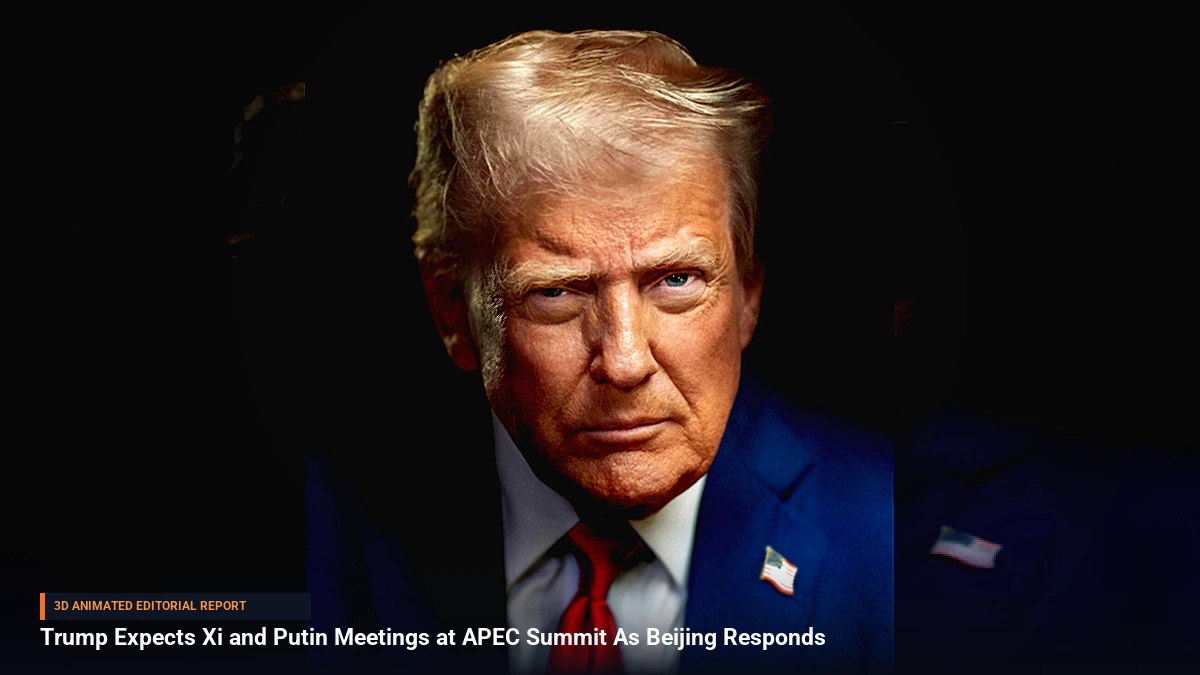
In recent statements that immediately caught the attention of global markets and international relations experts, Donald Trump indicated that he expects to sit down with Chinese President Xi Jinping and Russian President Vladimir Putin next week. The anticipated high-level engagements are slated to coincide with the Asia-Pacific Economic Cooperation (APEC) summit, which is being hosted by China.
While the announcement outlines a major potential diplomatic milestone, formal confirmation from all participating capitals remains carefully calibrated. Officials in Beijing responded to the announcement by confirming that the Chinese government is currently in direct communication with all relevant parties concerning a prospective meeting involving the Chinese, Russian, and U.S. leadership.
Background & Key Context
Summits of the APEC forum traditionally serve as crucial backdrops for bilateral and multilateral side meetings, allowing heads of state to address complex geopolitical and economic tensions away from the formal plenary sessions. However, the prospect of a simultaneous gathering involving the leaders of the world's primary nuclear and economic superpowers introduces a uniquely delicate diplomatic dynamic.
Relations between Washington, Beijing, and Moscow have faced profound strains over recent years, marked by trade disagreements, strategic competition, and ongoing conflicts such as the war in Ukraine. Consequently, any framework that brings these specific leaders into a shared diplomatic orbit commands intense scrutiny from foreign policy analysts seeking shifts in global alignment or de-escalation pathways.
Key Takeaways
- Anticipated Encounters: Donald Trump stated expectations to meet with both Xi Jinping and Vladimir Putin next week.
- Strategic Venue: The prospective meetings are projected to occur around the margins of the APEC summit hosted by China.
- Beijing's Response: China's Foreign Ministry acknowledged ongoing communications with relevant parties regarding the potential leadership interactions.
- Geopolitical Significance: A meeting involving the U.S., Chinese, and Russian heads of state carries massive implications for international security and global trade talks.
- Provisional Nature: Exact schedules, official itineraries, and formal bilateral agendas are still subject to final diplomatic clearance.
Impact, Analysis & Global/National Reactions
The announcement has triggered a wave of rapid assessment across global diplomatic corps. Financial markets and policy think tanks are evaluating what a potential trilateral or series of bilateral meetings could signal for international trade policies and geopolitical stability. Analysts note that public signaling of this magnitude often serves to test political waters or accelerate behind-the-scenes negotiations.
Diplomatic insiders emphasize that while leaders frequently use major multilateral summits for impromptu or structured pull-asides, coordinating schedules among Washington, Beijing, and Moscow requires immense logistical and protocol preparation. The measured tone from Beijing's official statements reflects the traditional caution exercised by host nations prior to sealing high-stakes diplomatic appointments.
What's Next: Looking Ahead
As the APEC summit approaches, attention will center on official confirmations from the White House, the Kremlin, and Zhongnanhai regarding precise meeting times and structured agendas. Stakeholders will be watching to see whether these anticipated encounters materialize into formal summits, potentially resetting the tone for superpower relations in the months ahead.


Be the first to comment
Start a useful conversation around this story.