
What Happened: The Core Developments
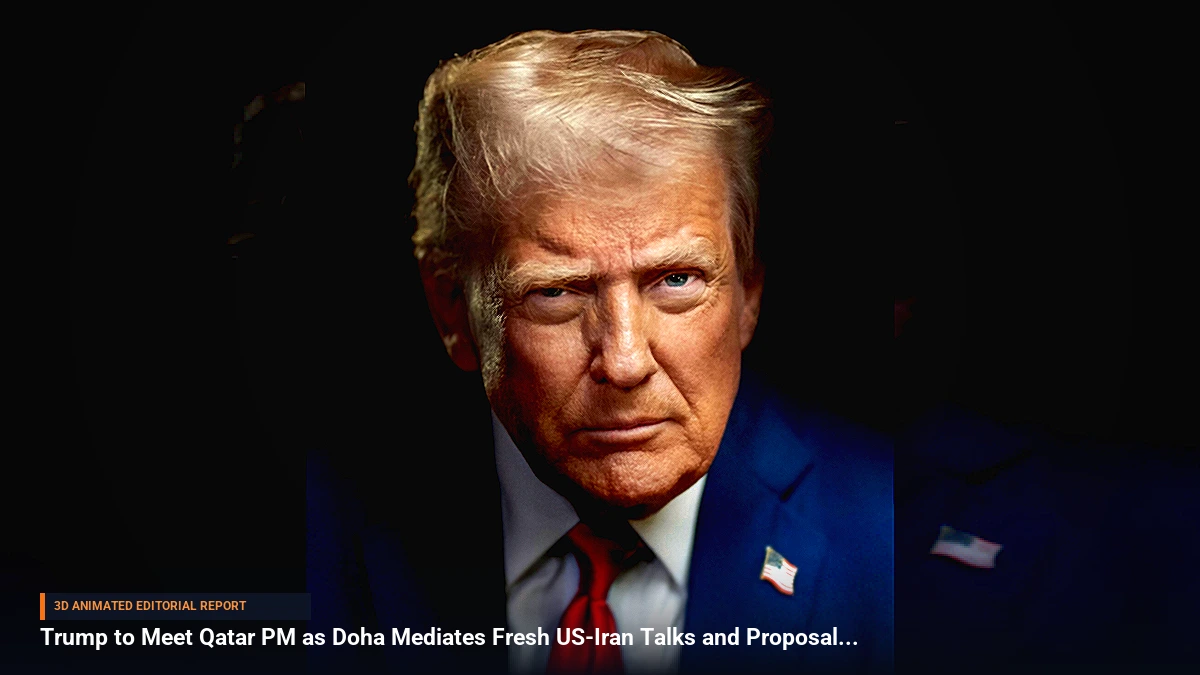
Diplomatic channels between Washington and Tehran are experiencing a renewed push, centered largely on the tireless mediation efforts of the Gulf state of Qatar. US leadership is scheduled to hold high-level discussions with Qatar's Prime Minister to evaluate a fresh set of proposals concerning future US-Iran talks. Developed with the direct assistance of Qatari intermediaries, this newly tabled framework is currently undergoing rigorous internal examination by Washington officials.
The meeting underscores an intensified phase of backchannel diplomacy. As regional tensions continue to hover near critical thresholds, Doha has positioned itself as the primary bridge between the White House and Iranian authorities, attempting to draft terms that could pave the way for formal negotiations or a de-escalation of broader regional hostilities.
Background & Key Context
For years, negotiations between Washington and Tehran have been plagued by profound mistrust, escalatory military postures, and unfulfilled diplomatic initiatives. Previous attempts to revive nuclear accords or establish durable security frameworks frequently stalled over disagreements concerning uranium enrichment, economic sanctions relief, and regional proxy conflicts.
In this complex geopolitical maze, Qatar has consistently acted as a trusted interlocutor. Leveraging its unique diplomatic positioning—maintaining functional ties with Western powers while keeping open channels with the Iranian leadership—Doha has frequently stepped in to manage crises, facilitate prisoner exchanges, and float creative compromises when official bilateral channels broke down completely.
Key Takeaways
- High-Level Engagement: The US leadership is meeting directly with Qatar’s Prime Minister to discuss active mediation strategies regarding Iran.
- New Proposals Tabled: Iran, utilizing Qatari channels, has put forward a fresh diplomatic framework currently under review in Washington.
- Doha's Critical Role: Qatar continues to serve as the indispensable diplomatic bridge between two adversaries lacking direct official communication channels.
- Testing Washington's Resolve: The new initiative tests the incoming or current US administration's appetite for negotiated diplomatic exits versus strict containment.
Impact, Analysis & Global/National Reactions
International analysts view the Qatari-mediated proposals as a pivotal test for foreign policy posture in the Middle East. While some regional stakeholders express cautious optimism that dialogue could prevent unintended military escalations, others remain skeptical given the deep-seated grievances dividing Washington and Tehran.
“Backchannel diplomacy through trusted partners like Qatar offers a vital safety valve, but bridging the fundamental gap between Washington's security demands and Tehran's strategic defiance remains an uphill battle,” notes a prominent Middle East policy researcher. Markets and global security monitors are watching the discussions closely, knowing that any movement toward a viable diplomatic roadmap could significantly alter energy market stability and geopolitical risk premiums across the region.
What's Next: Looking Ahead
Following the high-stakes consultations between US officials and the Qatari Prime Minister, Washington will decide whether to accept, amend, or reject the newly proposed terms. Should the framework pass initial evaluations, it could lead to more structured indirect talks or phased confidence-building measures. However, if the proposals fall short of US security and non-proliferation benchmarks, regional actors may face a renewed cycle of diplomatic stagnation and heightened security anxieties.

Be the first to comment
Start a useful conversation around this story.