
What Happened: The Core Developments
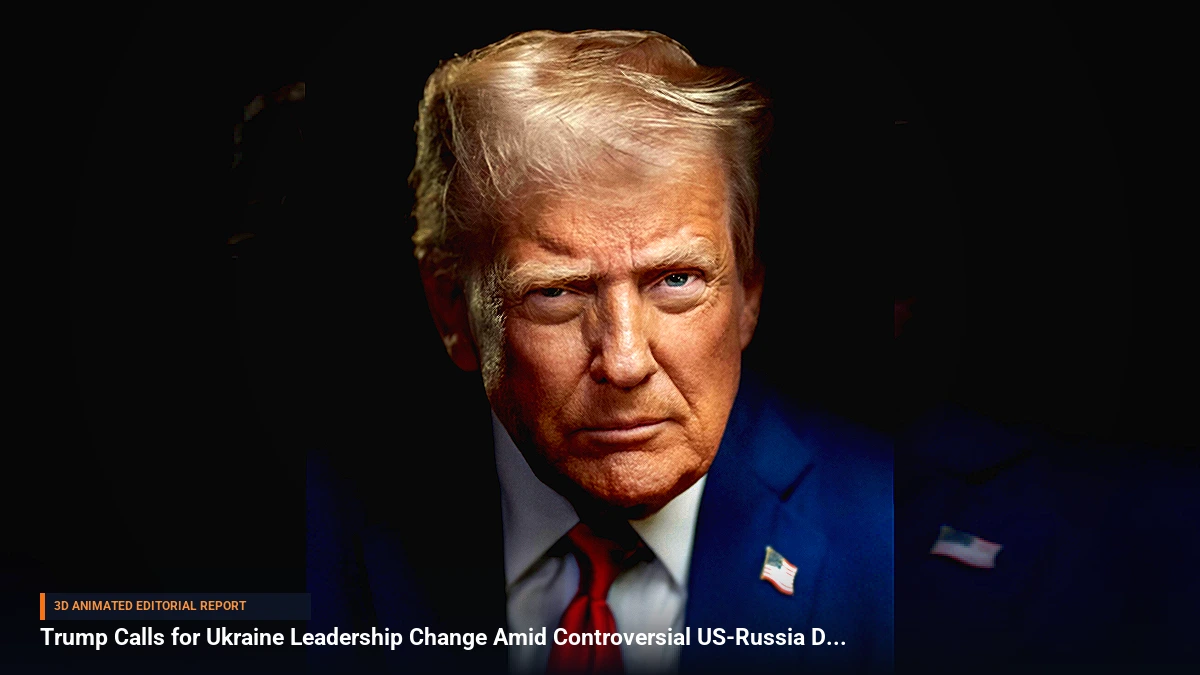
Tensions on the global stage have reached a critical juncture as the United Nations General Assembly gets underway in New York. Amid a backdrop of heightened military posturing, Donald Trump has hinted at the possibility of a direct meeting with Iranian President Masoud Pezeshkian, who is currently heading to the United States for the high-level diplomatic summit.
However, this tentative diplomatic opening is running parallel to severe security escalations. Iranian military command has issued stark warnings, stating that Tehran is prepared to deploy new weapon systems and target sets that will fundamentally "change the geography of the war." These warnings follow reports that Iranian leadership believes the United States is actively planning to resume military strikes. In response, Tehran has vowed painful retaliation, threatening direct attacks on US regional bases if hostilities restart.
Background & Key Context
The friction between Washington and Tehran continues to cast a long shadow over international stability and economic forecasts. The ongoing confrontation is no longer restricted to Middle Eastern security dynamics; it is actively bleeding into the domestic policies of Western allies.
In the United Kingdom, cabinet ministers have openly warned that upcoming national budgetary planning will face severe headwinds directly attributable to the economic fallout of the US-Iran conflict. Despite these macroeconomic pressures, diplomatic engagements are pressing forward. UK Prime Minister Andy Burnham is scheduled to meet directly with Donald Trump early next week on the sidelines of the UN summit, marking a pivotal diplomatic encounter following previous telephone communications between the two leaders.
Key Takeaways
- Diplomatic Aperture: Donald Trump has signaled openness to meeting Iranian President Masoud Pezeshkian during the UN General Assembly.
- Iranian Retaliation Threats: Tehran has warned the United States of new weapon capabilities and strategic targets that could drastically alter the conflict.
- Economic Spillover: UK officials have cautioned that the ongoing war with Iran is complicating upcoming domestic fiscal and budget preparations.
- High-Stakes Diplomacy: UK Prime Minister Andy Burnham is slated for face-to-face talks with Trump in New York to navigate bilateral and security concerns.
Impact, Analysis & Global/National Reactions
The ripple effects of the US-Iran standoff are testing the resilience of international markets and allied governance. Fiscal authorities, such as those in the United Kingdom, are finding that energy volatility and defense considerations driven by the Middle Eastern crisis directly hamper long-term financial forecasting.
Analysts note that while the signaling of a Trump-Pezeshkian meeting offers a fragile glimmer of diplomatic engagement, it is juxtaposed against aggressive posturing on the ground. Tehran's bold declarations regarding its military arsenal indicate that any miscalculation in the Gulf could trigger a wider, asymmetric response, complicating efforts by international intermediaries to de-escalate the crisis.
What's Next: Looking Ahead
All eyes are now focused on New York as the UN General Assembly unfolds. The anticipated discussions between Western leaders and the Trump administration will set the tone for international coalition management in the coming months.
Key attention will center on whether backchannel diplomacy can materialize into formal talks between US and Iranian officials, or if the threats of resumed military strikes and new weapons deployments will push the region further into open conflict. Market watchers and allied governments will also closely monitor upcoming budgetary disclosures in Europe to gauge the full extent of the conflict's economic cost.
Be the first to comment
Start a useful conversation around this story.