
What Happened: The Core Developments
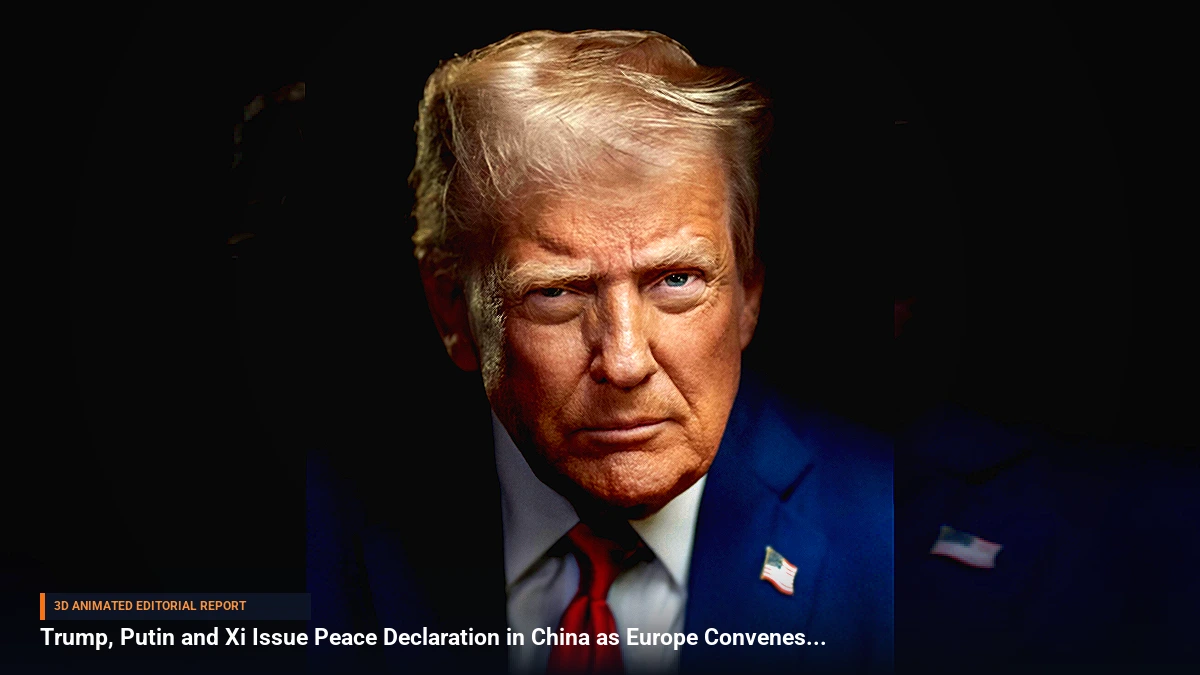
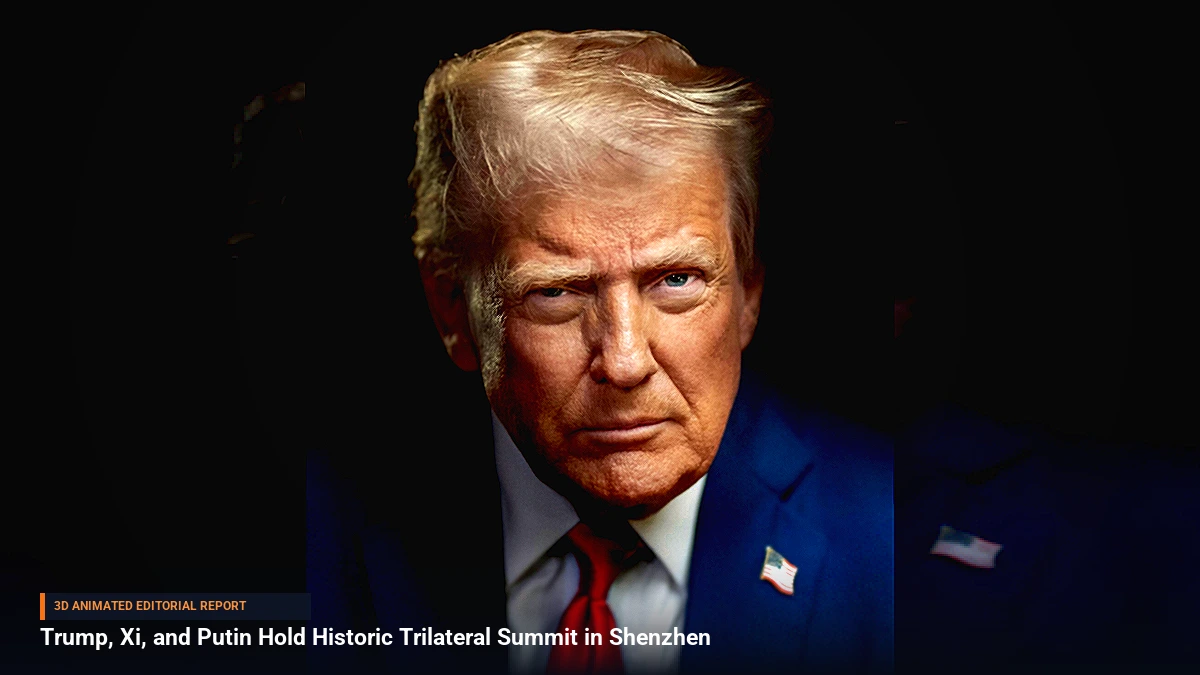
In what marks a remarkable shift in modern multilateral diplomacy, leaders from the United States, Russia, and China convened for an unprecedented trilateral meeting during the Apec summit. United States President Donald Trump, Russian President Vladimir Putin, and Chinese President Xi Jinping emerged from the talks to release a joint "peace declaration." According to summaries provided by state media outlets, the declaration centers heavily on broad strokes of international stability, pledging that the three major powers will maintain strategic equilibrium and global security.
However, the document's broader omissions have triggered immediate alarm across Western capitals. Despite dominating geopolitical headlines, the peace text features no explicit mentions of Ukraine, European security architecture, or ongoing regional conflicts. The conspicuous silence on these flashpoints has underscored a widening diplomatic chasm between a superpower alignment in Asia and anxious allied capitals across Europe.
Background & Key Context
While bilateral exchanges between these global leaders are well-documented, a simultaneous three-way summit represents a distinct historical milestone. The timing of the Apec convergence coincided directly with intense diplomatic maneuvering in Europe. In Berlin, key continental allies and members of the so-called "Coalition of the Willing" convened emergency consultations to tackle the future costs of Ukraine’s defense, encompassing critical shortfalls in air defense systems, energy grid resilience, and long-term financial assistance.
Tensions escalated further when President Trump publicly referred to Vladimir Putin as a "friend" following the Shenzhen talks. The remark instantly reverberated across European corridors of power, drawing a pointed, barbed retort from Polish Prime Minister Donald Tusk, who publicly stated: "God, protect us from such friends." Tusk’s remarks captured the deep-seated anxieties gripping eastern and central European nations regarding Washington's shifting diplomatic posture.
Key Takeaways
- Historic Trilateral Meeting: Donald Trump, Vladimir Putin, and Xi Jinping held their first-ever joint trilateral discussion during the Apec summit in China.
- Strategic Declaration: The trio issued a joint peace declaration emphasizing general strategic stability and global security.
- Notable Omissions: The published declaration contains zero references to Ukraine or European geopolitical boundaries.
- Berlin Summit Response: European allies met concurrently in Berlin to coordinate air defense, energy support, and ongoing financial commitments for Ukraine.
- Diplomatic Friction: Polish Prime Minister Donald Tusk publicly criticized President Trump's warm characterization of Vladimir Putin.
Impact, Analysis & Global/National Reactions
The simultaneous unfolding of events in China and Germany lays bare a potential historic pivot away from traditional Euro-Atlantic security paradigms. Analysts suggest that the optics of the Apec summit—featuring a smiling US president alongside his Russian and Chinese counterparts—signal a return to a great-power "Yalta format" style of negotiation, bypassing smaller allied nations entirely.
European leaders are increasingly forced to grapple with the prospect of shouldering a much heavier economic and military burden. The Berlin meetings highlighted an urgent scramble to institutionalize sustainable funding mechanisms for Kyiv as questions mount over long-term US steadfastness. Critics and policy experts warn that if Washington pursues bilateral accommodations with Moscow and Beijing independently, Europe risks finding itself strategically sidelined, facing heightened vulnerability on its eastern flank.
What's Next: Looking Ahead
As the dust settles from the Apec summit and the Berlin consultations, attention shifts to how European capitals will operationalize their defense guarantees. Lawmakers and defense ministers within the Coalition of the Willing face tight deadlines to finalize burden-sharing agreements, particularly concerning advanced air defense provisions ahead of the winter months.
Simultaneously, diplomats will be watching closely to see if the vague commitments outlined in the US-Russia-China peace declaration translate into tangible policy shifts or if they remain largely rhetorical. The upcoming diplomatic engagements in Brussels and Washington will test the resilience of transatlantic alliances as Europe navigates its most precarious security environment in decades.



Be the first to comment
Start a useful conversation around this story.