
What Happened: The Core Developments
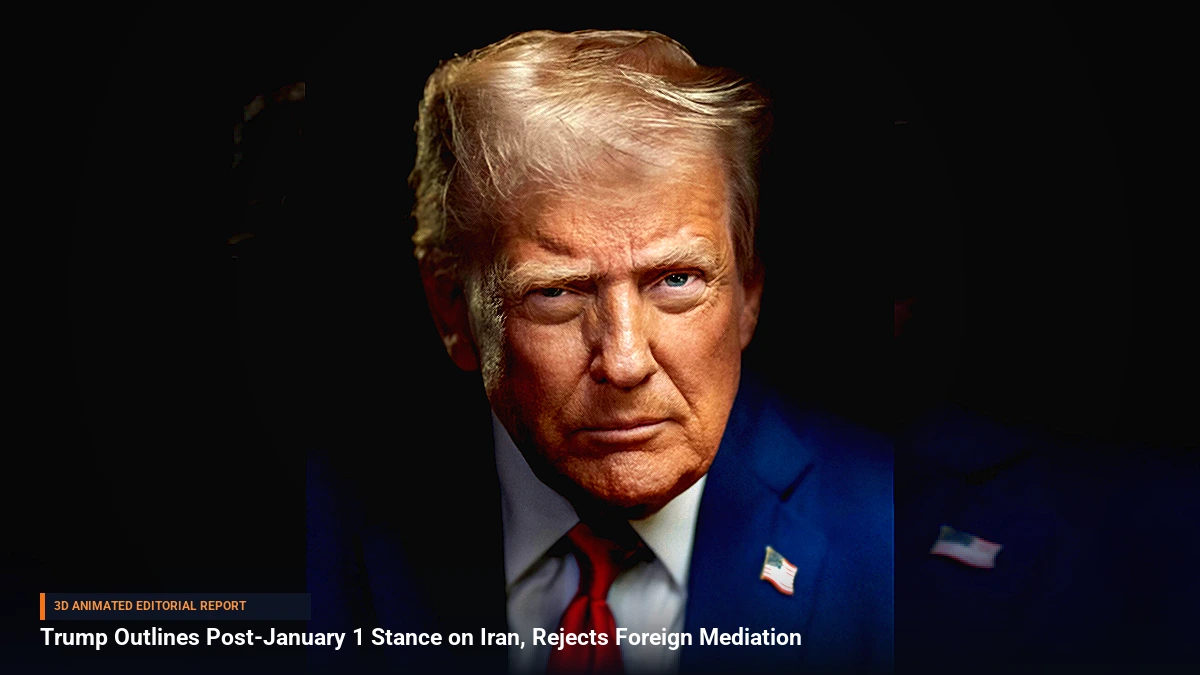
Recent statements from Donald Trump regarding the United States' posture toward Iran have signaled a potentially critical juncture in Middle Eastern geopolitics. Speaking on the trajectory of the conflict, Trump remarked that the international community and domestic stakeholders will "see what happens" after January 1. This specific timeline has drawn intense scrutiny from foreign policy analysts, intelligence experts, and international markets alike.
Simultaneously, Trump forcefully dismissed any notion that Washington requires foreign intervention or diplomatic mediation from major global powers, specifically naming China and Russia. According to recent reports, the former president maintained that the United States possesses sufficient geopolitical leverage and military capabilities to handle the situation independently, without relying on external stakeholders to broker an end to hostilities.
Background & Key Context
The positioning on Iran highlights a complex web of competing strategies within Washington and among key regional allies. Observers have long debated whether a "no-war, no-deal" approach best serves American interests, or if aggressive deterrence remains necessary. Concurrently, intelligence reports and media investigations from outlets like Axios and The Washington Post have highlighted rising regional anxieties, including warnings from Israel regarding potential unconventional capabilities and the ongoing debate over whether the U.S. might weigh targeted military strikes.
Despite efforts by various administrations to pivot away from prolonged Middle Eastern entanglements, the Iran dossier remains one of the most volatile security challenges on the global stage. The newly introduced January 1 timeline adds an immediate sense of urgency to diplomatic backchannels and defense planning.
Key Takeaways
- The January 1 Timeline: Trump emphasized that Washington's strategy regarding the Iran conflict will be reassessed and unfold following the first of the year.
- Rejection of Foreign Aid: The U.S. categorically does not need assistance from Beijing or Moscow to conclude the ongoing standoff, according to Trump's assertions.
- Strategic Ambiguity: Observers remain divided on whether the administration favors a prolonged containment policy, a diplomatic breakthrough, or potential preemptive military actions.
- Regional Pressures: Ongoing concerns from international allies, such as Israel, regarding security threats continue to influence the broader strategic calculus.
- Ending Entanglements: Analysts note a persistent tension between the desire to put prolonged Middle Eastern conflicts behind the U.S. and the stubborn persistence of regional security crises.
Impact, Analysis & Global/National Reactions
The intersection of shifting U.S. timelines and independent foreign policy postures has sent ripples through international capitals. European and Asian partners closely monitor any rhetoric signaling a unilateral approach to Middle Eastern security, particularly given global energy market sensitivities and maritime trade routes.
Foreign policy experts suggest that dismissing the involvement of China and Russia underscores a broader doctrine of American self-reliance, yet it risks isolating the U.S. from multilateral frameworks that have historically managed regional escalations. Meanwhile, markets continue to price in the latent risks associated with potential military escalations should diplomatic efforts fail to yield results post-January 1.
What's Next: Looking Ahead
As the calendar approaches January 1, all eyes will be on Washington for concrete policy signals, intelligence briefings, and diplomatic maneuvers. Stakeholders across the defense, energy, and geopolitical sectors will be watching to see if the rhetoric translates into tangible military postures or opens a new window for unexpected diplomatic breakthroughs.


Be the first to comment
Start a useful conversation around this story.