
What Happened: The Core Developments
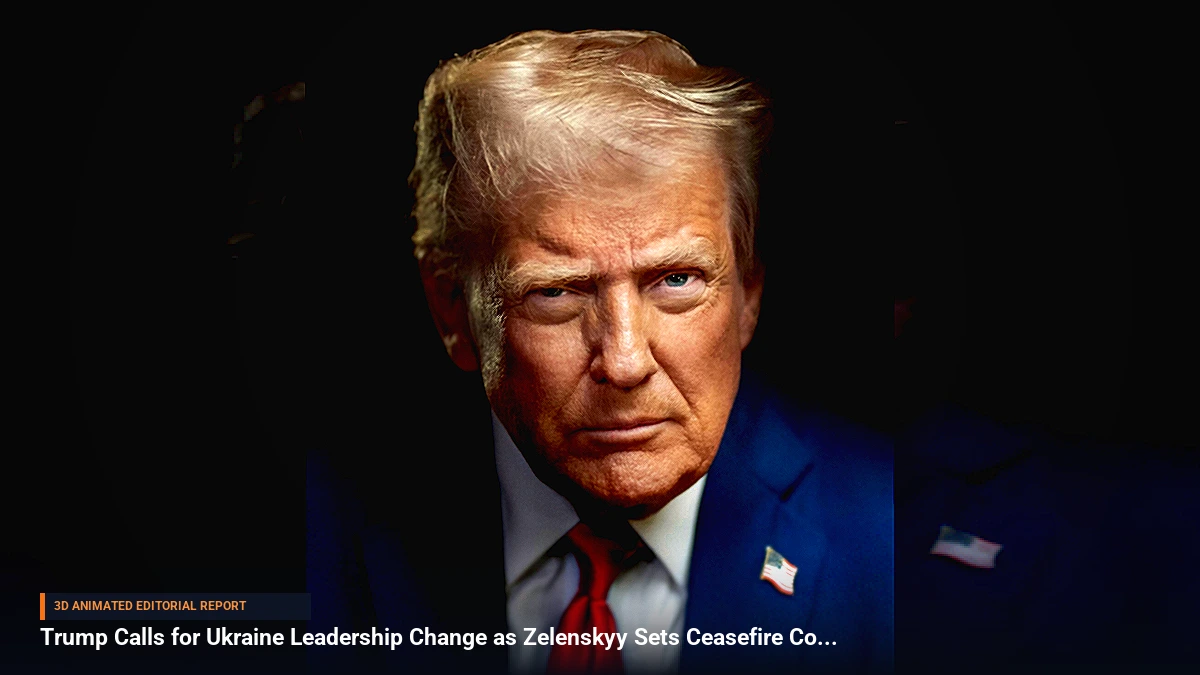
At the United Nations General Assembly, geopolitical tensions reached a fever pitch as US President Donald Trump addressed global leaders with a stark ultimatum regarding Iran. In his remarks, Trump declared that he is weighing a "big decision" on whether to completely annihilate Iran or pursue a comprehensive peace agreement. Crucially, the US leader indicated that any prospective deal with Tehran would likely materialize only after the upcoming United States midterm elections.
Despite the aggressive rhetoric, diplomatic channels remained active behind the scenes. Delegations from the United States and Iran engaged in direct talks on the very first day of the UNGA session. Meanwhile, Tehran signaled a potential softening of its hardline stance regarding critical regional infrastructure. Sources indicated that Iran expressed readiness to reopen the vital Strait of Hormuz within seven days, provided that Washington takes reciprocal steps to ease military pressure and lift ongoing blockades.
Simultaneously, the US administration expanded its strategic footprint in the high north. Washington, Greenland, and Denmark finalized a landmark security agreement that permits the United States to establish military bases in Greenland, reinforcing North Atlantic defense infrastructure.
Background & Key Context
The standoff between Washington and Tehran represents the continuation of a decades-long strategic friction point, exacerbated in recent years by intense economic sanctions and kinetic friction across the Middle East. The Strait of Hormuz—a crucial global energy transit chokepoint—has long served as both a strategic lifeline and a pressure point for Iranian authorities. Previously, Tehran had laid out a stringent list of onerous preconditions for lifting any blockade, including an immediate end to hostilities on all fronts and the total termination of US economic sanctions.
The simultaneous announcement of the Greenland security pact underscores a broader strategic pivot by the United States, securing permanent control over critical Arctic defense nodes by stationing forces at traditional outposts and Cold War bases in cooperation with Danish authorities.
Key Takeaways
- Post-Midterm Timeline: President Trump stated that a diplomatic breakthrough or formal deal with Iran is contingent upon the conclusion of the upcoming US midterm elections.
- Coercive Diplomacy: Trump framed his foreign policy options starkly to the UN, asserting he must decide between military annihilation and a negotiated settlement.
- Strait of Hormuz Shift: Tehran indicated a willingness to reopen the critical oil transit route within seven days if the US eases military pressure.
- Arctic Expansion: In parallel with Middle East maneuvers, the US, Denmark, and Greenland signed a security agreement to construct new military bases.
- Active Back-Channel Talks: Despite public threats exchanged at the UNGA, US and Iranian officials held direct discussions on day one of the summit.
Impact, Analysis & Global/National Reactions
The juxtaposition of severe military threats and tentative diplomatic openings has left international markets and regional stakeholders recalibrating their risk assessments. Energy markets reacted swiftly to the prospect of a de-escalation in the Persian Gulf, reflecting relief at Iran's softened stance on the Strait of Hormuz.
However, analysts note that deep internal divisions within Iranian leadership—highlighted by conflicting statements from various political and military figures regarding preconditions—complicate the path forward. Global bodies, including the UN, have expressed growing anxiety over widening geopolitical fractures, warning that brinkmanship leaves little room for error.
What's Next: Looking Ahead
Attention now shifts to the domestic political calendar in the United States, as market watchers and foreign diplomats await the outcome of the midterm elections that Trump cited as the threshold for substantive negotiations. Concurrently, implementation of the Greenland security framework will proceed, with military engineers evaluating logistical requirements for the new Arctic bases. Whether back-channel discussions in New York can translate into formal de-escalation in the Persian Gulf before the electoral cycle concludes remains the central question for global security.
Be the first to comment
Start a useful conversation around this story.