
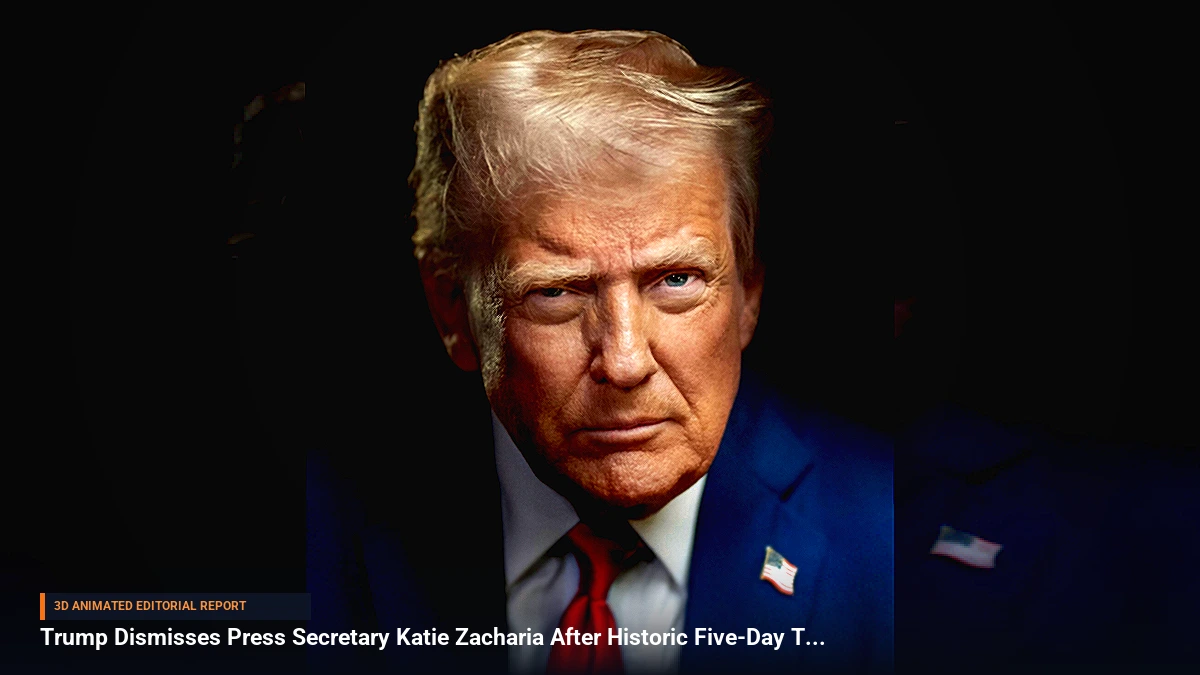
What Happened: The Core Developments
In one of the most abrupt exits in modern political history, White House Press Secretary Katie Zacharia was dismissed from her role after serving a mere five days on the job. The sudden ouster comes on the heels of a rapidly escalating controversy regarding her professional biography, particularly her educational and legal qualifications. What began as standard media inquiries into the newly appointed spokesperson quickly snowballed into a major administrative headache, prompting senior officials to take swift action to contain the fallout.
The decision to cut ties with Zacharia highlights the unforgiving news cycle and the zero-tolerance threshold for biographical discrepancies within high-profile government communications roles. While initial announcements framed her appointment as a fresh start for the administration's media operations, the reality of her five-day tenure has instead sparked intense debate over contemporary hiring practices within the executive branch.
Background & Key Context
The controversy surrounding Zacharia's brief time in office centered primarily on intense public and journalistic scrutiny regarding her credentials. Investigative reports raised immediate questions about her legal background, focusing specifically on her claims to a law degree and her status as a practicing lawyer. Outlets including The Wall Street Journal and The New York Times published findings revealing complexities and contradictions in her professional history, ranging from bar exam statuses to international legal claims.
Historically, presidential administrations maintain rigorous vetting protocols to prevent precisely this type of embarrassment. However, critics have pointed out that fast-tracked, television-driven appointments often bypass traditional institutional safeguards. In Zacharia's case, the rapid transition from public media visibility to the White House podium left little room for deep-dive vetting before she assumed the demanding daily responsibilities of the press briefing room.
Key Takeaways
- Record-Short Tenure: Katie Zacharia's departure after just five days marks one of the briefest tenures for a White House Press Secretary in modern history.
- Credential Scrutiny: Her exit was precipitated by intense media investigations questioning her legal qualifications and professional background.
- Vetting Vulnerabilities: The incident has renewed debates over the efficacy of administration hiring processes, particularly for high-visibility communications roles.
- Administrative Damage Control: The White House moved quickly to sever ties, aiming to close the narrative loop on a rapidly growing PR liability.
- Media-Driven Decisions: Observers note that television-heavy recruitment strategies can occasionally outpace thorough investigative background checks.
Impact, Analysis & Global/National Reactions
Political analysts and ethics watchdogs have seized upon the episode as a cautionary tale regarding modern political appointments. The rapid unraveling of Zacharia's tenure demonstrates how quickly digital-age scrutiny can dismantle an administration's messaging strategy. Stakeholders within Washington have expressed concern over how such gaps in the vetting process managed to evade initial detection by transition teams.
"When the individual tasked with speaking on behalf of the president becomes the central news story due to credential discrepancies, the core mission of the communications office is compromised," noted one governance expert. While the White House initially defended the appointment, mounting pressure from investigative reports made her position untenable. The fallout underscores the profound challenges administrations face when balancing rapid-fire media recruitment with meticulous fact-checking.
What's Next: Looking Ahead
As the dust settles on Zacharia's historic five-day exit, the administration faces the immediate task of naming a replacement who can restore stability to the press office. White House officials are reportedly tightening their vetting procedures to ensure that incoming candidates undergo more rigorous background evaluations before stepping into the spotlight.
For the broader political landscape, the episode serves as a persistent reminder of the transparency demands placed on modern governance. Future appointments will undoubtedly face heightened skepticism from both congressional opponents and investigative journalists, ensuring that every resume line receives exhaustive scrutiny before any official announcement is made.


Be the first to comment
Start a useful conversation around this story.