
What Happened: The Core Developments
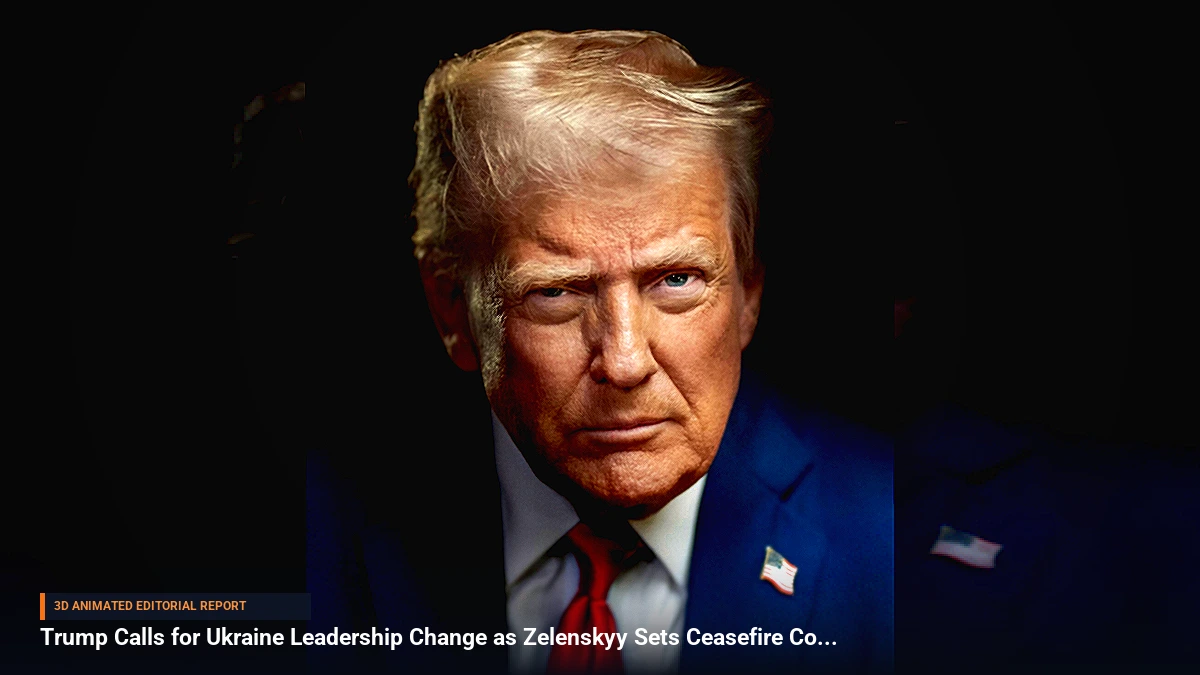
On Tuesday, September 22, 2026, U.S. President Donald Trump took to the podium at the United Nations General Assembly in New York, delivering a hardline address that dominated global headlines. Donald Trump addressed the United Nations General Assembly and used the international stage to issue a robust defense of his administration's active military campaign and strategic strikes against Tehran.
Central to his address was a direct appeal to the international community. Trump called on international allies and nations to enforce the complete economic isolation of Iran, framing the measure as a necessary step to stabilize global energy markets and dismantle regional security threats. Furthermore, Trump defended his administration's conflict and military strikes against Iran during his UN address, arguing that decisive action was vital to curbing long-standing hostilities.
The rhetoric quickly escalated from economic sanctions to existential threats. Trump warned during his UN speech that he could annihilate or drive Iran into hell if a peace deal is not reached, leaving world leaders facing an acute diplomatic ultimatum. In an unexpected pivot during the same speech, Trump dismissed threats from Artificial Intelligence (AI) as a hoax in his UN address, shifting focus entirely away from technological regulatory anxieties toward traditional geopolitical conflict.
Background & Key Context
Relations between Washington and Tehran have remained at a boiling point, culminating in open military engagement that has tested alliances and strained international frameworks. The United Nations General Assembly has historically served as a diplomatic pressure valve, but this year's gathering unfolded against a backdrop of deep anxiety regarding regional stability, energy security, and the operational efficacy of multilateral institutions.
The Trump administration's strategy relies heavily on maximum pressure tactics, combining kinetic military actions with demands for total financial decoupling. By linking the isolation of Iran directly to lower global oil prices and the alleviation of regional conflicts, the White House sought to compel hesitant international partners to align with U.S. sanctions regimes.
Key Takeaways
- Comprehensive Economic Demand: The U.S. administration formally appealed for a unified global coalition to sever all remaining economic ties with Tehran.
- Military Justification: President Trump heavily defended the necessity of ongoing military strikes, framing them as preemptive and protective measures.
- Ultimatum Issued: World leaders were presented with stark rhetoric warning of potential total annihilation if Tehran fails to secure a peace agreement.
- Technological Skepticism: In a departure from typical tech-policy discourse at the UN, emerging AI threats were explicitly dismissed as a hoax.
- Energy Market Arguments: The White House argued that isolating Iran would ultimately drive down global oil prices and stabilize commodity markets.
Impact, Analysis & Global/National Reactions
The address has triggered profound reactions across international diplomatic corridors. While domestic supporters view the hardline posture as a necessary display of strength, international allies face mounting pressure to balance their own economic and diplomatic interests with Washington's uncompromising demands.
Analysts note that the combination of military defense and severe economic ultimatums places the UN in a precarious position. Rather than fostering multilateral consensus, the speech highlights deepening divisions over how to handle Middle Eastern security architecture and the enforcement of unilateral sanctions.
What's Next: Looking Ahead
As the UN General Assembly sessions continue, diplomatic channels behind the scenes are expected to work overtime to manage the fallout from the speech. Attention will turn to whether key European and Asian allies will heed the call for absolute economic isolation or carve out independent diplomatic paths. Simultaneously, market observers will closely monitor energy trading floors to gauge whether the rhetoric impacts global oil prices in the immediate term.
Be the first to comment
Start a useful conversation around this story.