
What Happened: The Core Developments
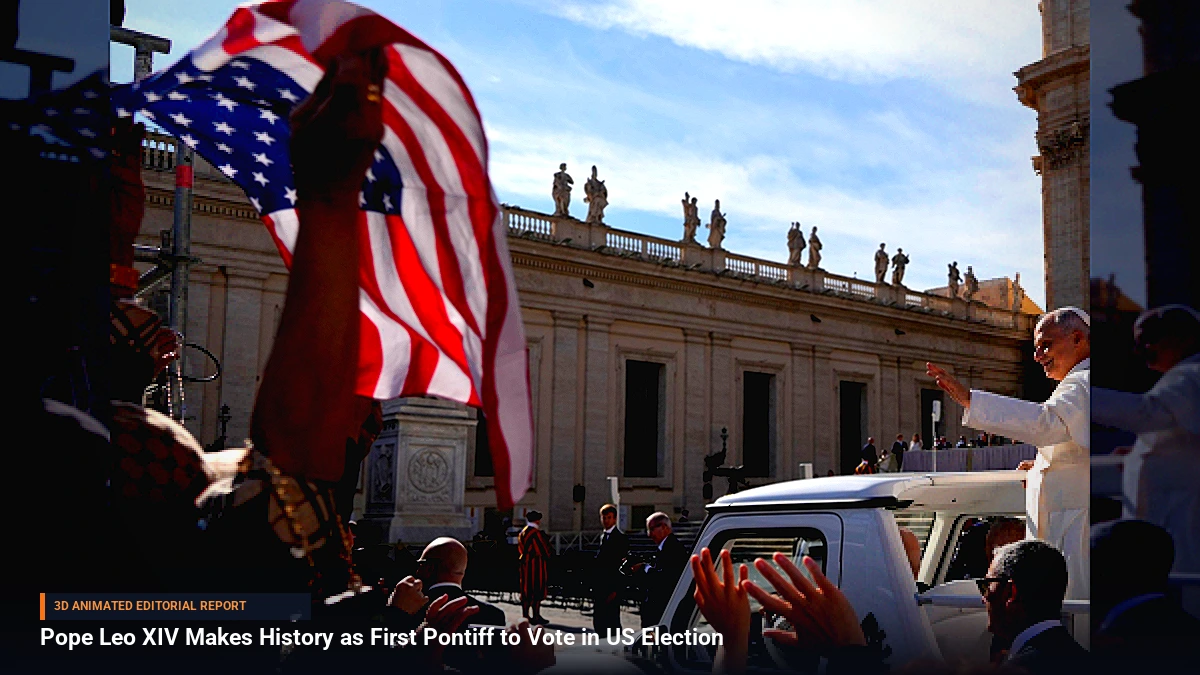
In a move that has sent ripples through both geopolitical and religious circles, Pope Leo XIV officially became the first pontiff in history to vote in a United States general election. Vatican officials confirmed that the pontiff participated in the upcoming November 3 midterm elections by submitting a secure mail-in ballot tied to his native city of Chicago.
While the contents of the ballot remain strictly private—consistent with secret ballot protections afforded to all American voters—the confirmation of his participation highlights a fascinating intersection of religious sovereignty and civic duty. Maintaining active voter registration and citizenship status while occupying the Holy See demonstrates a unique adherence to temporal roots, even from the sovereign enclave of Vatican City.
Background & Key Context
Historically, popes are citizens of Vatican City State, an independent city-state enclaved within Rome, Italy. However, individuals elected to the papacy often retain their birth citizenship, and in modern history, popes have hailed from various nations across the globe. Despite this dual relationship, no previous pontiff has exercised the right to vote in a secular national election of their home country while serving as the Bishop of Rome.
American citizens living abroad or in unique jurisdictional circumstances frequently utilize absentee and mail-in voting mechanisms. By casting his ballot for his home jurisdiction in Chicago, Pope Leo XIV utilized standard electoral provisions designed to ensure overseas and expatriate citizens maintain a voice in domestic policy and legislative representation.
Key Takeaways
- Historic First: Pope Leo XIV is officially the first pope to cast a ballot in a US general or midterm election.
- Method of Participation: The pontiff utilized a mail-in ballot routed through his home city of Chicago ahead of the November 3 midterms.
- Privacy Maintained: True to standard democratic norms, details regarding the specific candidates or legislative measures supported by the pope were not disclosed.
- Citizenship Rights: The event underscores the complex legal and personal ties pontiffs maintain with their countries of origin.
- Global Attention: International media and political analysts have closely monitored the development, noting its novelty in modern ecclesiastical history.
Impact, Analysis & Global/National Reactions
Political scientists and canonical experts have offered varied perspectives on the unprecedented move. While some view it as a powerful normalization of civic participation for a global leader who still retains national roots, others emphasize the delicate optics of the head of the universal Church engaging in partisan democratic systems.
Constitutional and electoral scholars point out that voting is a fundamental right of citizenship that is not automatically forfeited upon taking holy orders or ascending to the papacy. Public affairs analysts suggest that the act may serve to encourage voter turnout and civic engagement among global diaspora communities, reinforcing the message that democratic participation remains a vital moral responsibility.
What's Next: Looking Ahead
As the United States approaches the culmination of the midterm elections on November 3, the conversation surrounding voting rights, absentee access, and dual citizenship continues to evolve. While Pope Leo XIV’s ballot is now cast and sealed within the Chicago electoral system, the ripple effects of his historic participation will likely prompt ongoing discussions regarding the rights and responsibilities of global leaders with transnational ties.



Be the first to comment
Start a useful conversation around this story.