
What Happened: The Core Developments
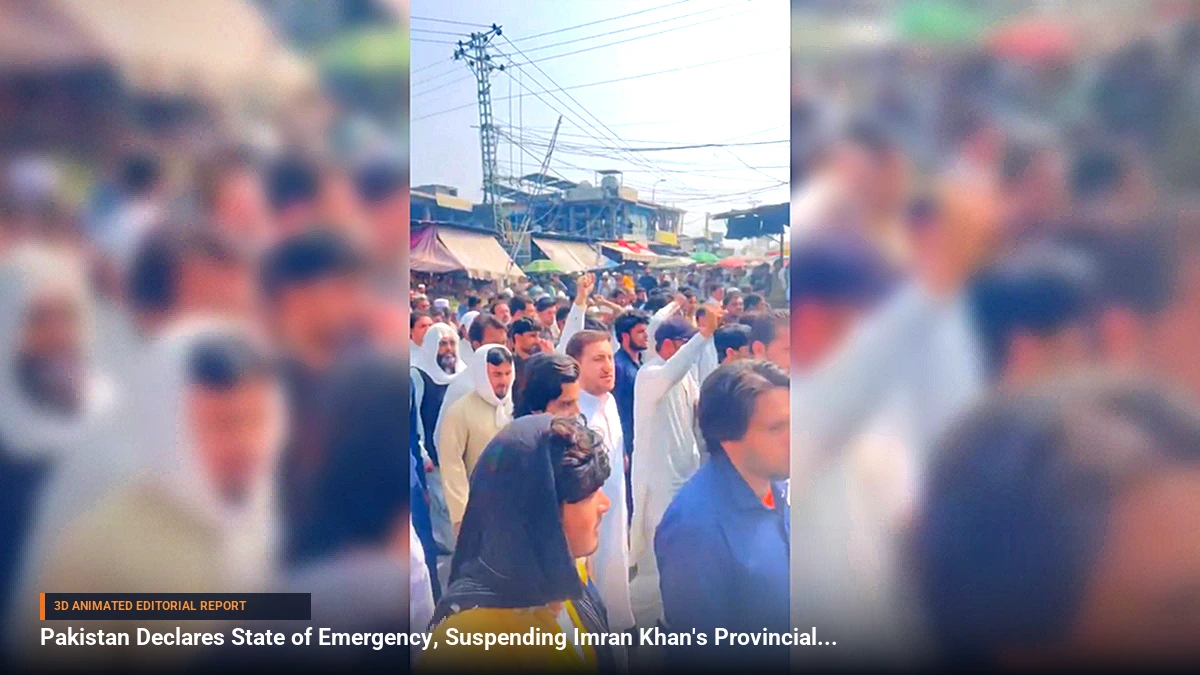
The federal administration in Islamabad has formally declared a state of emergency in Khyber Pakhtunkhwa (KP), effectively dissolving the provincial governance apparatus previously steered by incarcerated former Prime Minister Imran Khan’s Pakistan Tehreek-e-Insaf (PTI) party. This bold constitutional move strips the PTI of its final major stronghold of regional power, centralizing administrative control under federal purview. The sudden intervention marks a profound turning point in the country's ongoing political turbulence, severely escalating the friction between the ruling coalition headed by Prime Minister Shehbaz Sharif and the opposition landscape.
Background & Key Context
Khyber Pakhtunkhwa has long served as a crucial political bastion and operational heartland for Imran Khan and the PTI, providing the party with a legal platform to challenge federal policies and project regional authority. Ever since Khan’s ouster from national power through a parliamentary vote of no-confidence and his subsequent legal troubles, relations between the state apparatus, the military establishment, and PTI loyalists have remained extraordinarily strained. The province has frequently found itself at the epicenter of political standoffs, governance gridlocks, and security challenges, creating a volatile environment that federal authorities have increasingly cited as grounds for heightened oversight.
Key Takeaways
- Federal Intervention: The federal government formally imposed emergency rule in Khyber Pakhtunkhwa, bringing an immediate halt to regional PTI governance.
- End of PTI Bastion: With this suspension, Imran Khan's party loses its last remaining major provincial government stronghold.
- Escalating Tensions: The drastic move is expected to deepen polarization between the ruling federal coalition and millions of PTI supporters nationwide.
- Security and Governance Rationale: Authorities frame the intervention around administrative stability and counter-terrorism measures, though critics view it as a political maneuver.
Impact, Analysis & Global/National Reactions
Political analysts view this emergency decree as one of the most aggressive maneuvers by the federal administration to consolidate power and neutralize remaining centers of regional resistance. While government defenders argue that extraordinary measures were warranted to stabilize the province amid persistent security vulnerabilities and governance friction, opposition voices condemn the move as an authoritarian assault on democratic norms and provincial autonomy. International observers are closely monitoring the unfolding situation, noting that sidelining a major political faction through emergency decrees risks deepening civil unrest and undermining long-term democratic institutionalization in South Asia.
What's Next: Looking Ahead
As the dust settles on the sudden suspension, attention now shifts to the legal challenges expected to be filed in higher courts by PTI leaders contesting the constitutional validity of the emergency declaration. Stakeholders will also watch for potential mass protests or civil disobedience campaigns organized by party supporters across the country. Furthermore, the federal government must navigate the complex process of administering the province under emergency rule while preparing the groundwork for eventual legal or political normalization.



Be the first to comment
Start a useful conversation around this story.