
What Happened: The Core Developments
Pakistan Prime Minister Shehbaz Sharif utilized the global platform of the United Nations General Assembly (UNGA) to address long-standing regional tensions, focusing heavily on bilateral friction with neighboring India. During his address, Sharif brought the Kashmir issue back to the international spotlight, urging global stakeholders to pay closer attention to the unresolved territorial dispute.
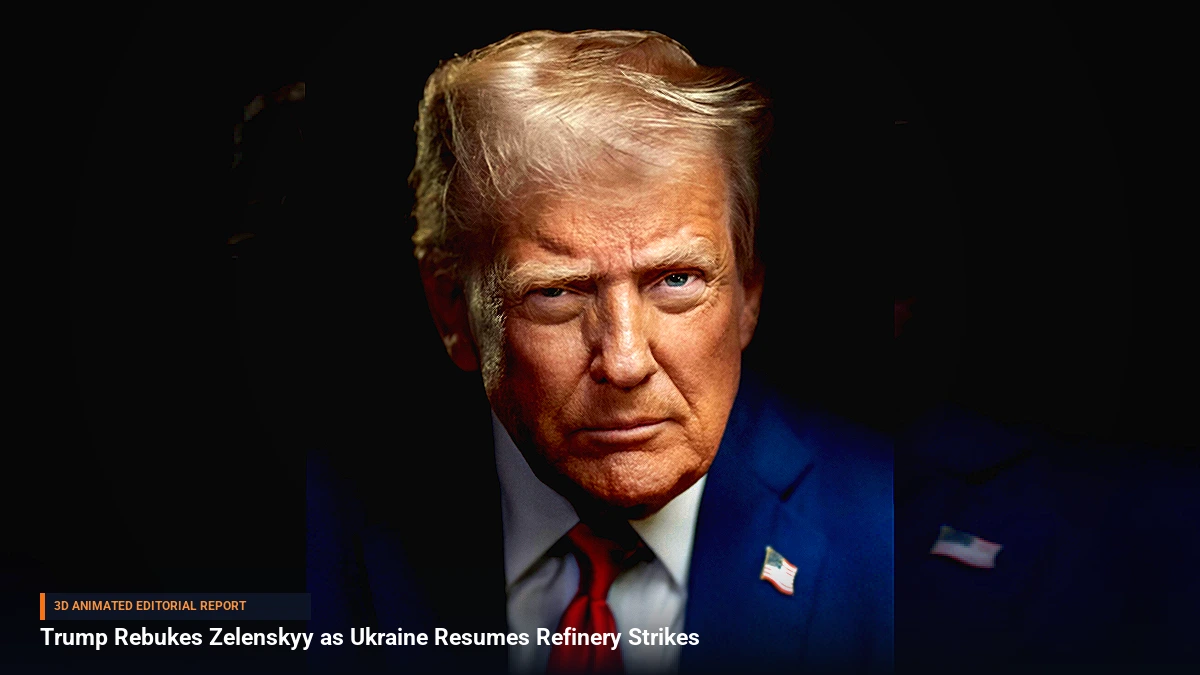
In a notable diplomatic turn, the Pakistani premier openly credited Donald Trump for a "timely intervention" during the 2025 military escalation known as India's Operation Sindoor. Following the address, Donald Trump further amplified the diplomatic discourse by sharing a video clip of Sharif's speech on social media platforms, drawing immediate international attention and sparking fresh discussions across foreign policy circles.
Background & Key Context
The statements at the UNGA follow a period of heightened strategic volatility between nuclear-armed neighbors India and Pakistan, characterized by military engagements such as Operation Sindoor. Diplomatic channels between Islamabad and New Delhi have remained deeply constrained, with routine friction extending beyond territorial disputes into resource management frameworks.
Alongside the geopolitical praise directed at Trump, Islamabad also renewed its long-standing warnings concerning the Indus Waters Treaty. Pakistan's reiteration of its stance on the critical water-sharing pact underscores the multifaceted nature of the diplomatic grievances raised by Pakistani leadership during the high-level UN gathering.
Key Takeaways
- UNGA Address: Pakistan Prime Minister Shehbaz Sharif raised the Kashmir issue prominently during his United Nations General Assembly speech.
- Trump's Intervention: Sharif publicly credited Donald Trump for providing a crucial and timely diplomatic intervention during India's Operation Sindoor in 2025.
- Social Media Amplification: Donald Trump actively shared a video clip of Sharif's UN speech praising his intervention, elevating the discourse online.
- Indus Waters Warning: Islamabad used the international forum to renew warnings regarding the implementation and future of the Indus Waters Treaty.
- Bilateral Friction: The sequence of events has introduced fresh diplomatic sensitivities into India-Pakistan relations and wider international observations.
Impact, Analysis & Global/National Reactions
The public acknowledgment of foreign mediation by Pakistan's leadership has reverberated across international capitals, introducing complex dynamics into South Asian geopolitics. Analysts note that Sharif's public praise of Trump is a calculated effort to leverage external diplomatic influence to re-internationalize the Kashmir dispute, a move that historically meets firm resistance from New Delhi, which maintains that bilateral mechanisms are the sole framework for dialogue.
Furthermore, Trump's decision to share the speech clip on digital platforms has complicated regional perceptions, blending domestic political messaging with sensitive international diplomacy. Observers suggest that while Islamabad welcomes external engagement to de-escalate crisis scenarios, such public endorsements risk hardening negotiating stances and drawing sharp counter-responses from Indian policymakers.
What's Next: Looking Ahead
As the diplomatic fallout from the UNGA sessions settles, foreign policy experts will monitor how New Delhi formally responds to Sharif's statements and Trump's social media activity. Attention will also turn toward bilateral water commissioner meetings and regional security frameworks to see whether the tensions surrounding the Indus Waters Treaty and broader border security will translate into renewed diplomatic standoffs or quiet backchannel engagements.
Be the first to comment
Start a useful conversation around this story.