
What Happened: The Core Developments
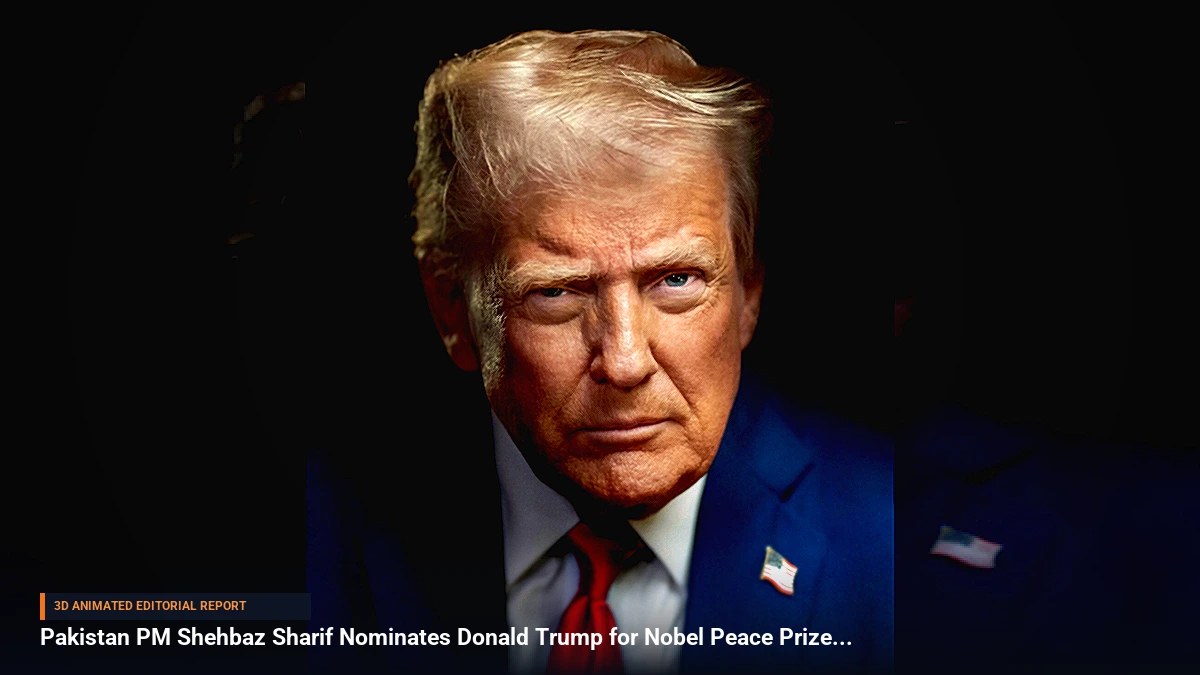
In a high-profile diplomatic gesture, Pakistan Prime Minister Shehbaz Sharif formally nominated Donald Trump for the Nobel Peace Prize. Taking to social media platform X, Sharif voiced strong support for the former U.S. leader, highlighting what he described as critical intervention during intense cross-border military standoffs.
Sharif asserted in his public statements that Trump played a pivotal role in pulling Pakistan and India back from the brink of open warfare. The endorsement came just hours before the official announcement of the prestigious peace award, creating a wave of international media attention and sparking intense domestic debate across South Asia.
Background & Key Context
The roots of this diplomatic maneuver trace back to high-stakes regional tensions following Operation Sindoor in May 2025. While Islamabad has repeatedly sought to frame international figures as vital peace-brokers in the subcontinent, New Delhi maintains a firmly steadfast position against external intervention.
Indian authorities have consistently reiterated that no third party played any role in de-escalating hostilities or ending military operations following the May 2025 events. Despite New Delhi's clear stance rejecting foreign mediation, Pakistani leadership continues to lean into public diplomacy efforts, leveraging global figures to highlight regional stability narratives.
Key Takeaways
- The Nomination: Pakistan Prime Minister Shehbaz Sharif publicly nominated Donald Trump for the Nobel Peace Prize.
- The Justification: Sharif credited Trump via an X post with helping pull India and Pakistan back from the brink of severe conflict.
- India's Stance: New Delhi firmly maintains that no third-party mediation occurred following Operation Sindoor in May 2025.
- The Outcome: The Nobel Peace Prize was ultimately awarded to Indian-origin jurist Navi Pillay, drawing witty public remarks.
- Geopolitical Posture: The event underscores ongoing efforts by Islamabad to utilize international diplomacy for regional positioning.
Impact, Analysis & Global/National Reactions
Sharif's endorsement of Trump highlights a broader strategy of diplomatic signaling aimed at securing international goodwill and reinforcing narratives of peaceful resolution. Analysts note that while such endorsements carry little formal weight with the Norwegian Nobel Committee, they serve potent domestic and international public relations functions.
However, the move immediately brushed against traditional red lines in New Delhi. By insisting on external mediation, Islamabad routinely draws sharp pushback from Indian official circles, which champion bilateral frameworks for all regional matters. Adding a twist to the narrative, the actual Nobel Peace Prize was awarded to distinguished Indian-origin jurist Navi Pillay, whose victory was met with considerable commentary and a lighthearted public joke.
What's Next: Looking Ahead
As regional dynamics continue to evolve in South Asia, diplomatic exchanges will likely remain sensitive to narratives surrounding third-party influence. Stakeholders will monitor whether future international engagements incorporate similar high-profile endorsements or if bilateral channels remain the sole mechanism for cross-border dialogue.



Be the first to comment
Start a useful conversation around this story.