
What Happened: The Core Developments
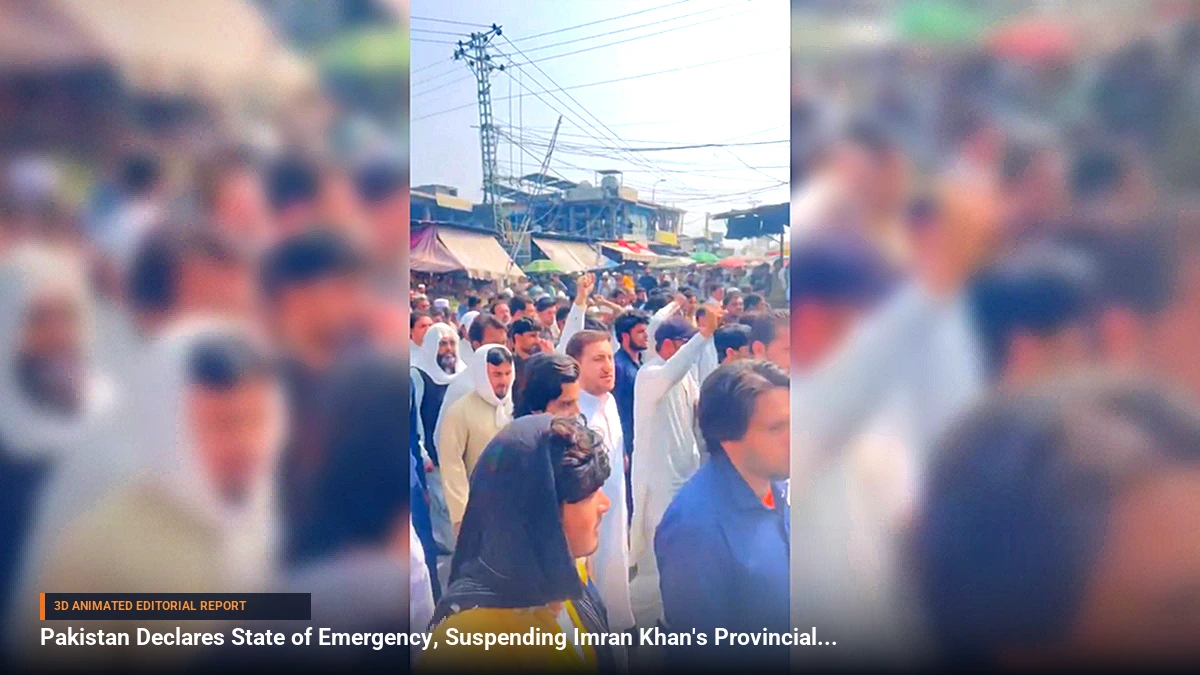
In a dramatic escalation of Pakistan's protracted political instability, the federal government has officially declared a state of emergency in the northwestern Khyber Pakhtunkhwa (KPK) province. The sweeping decree effectively brings an end to the provincial rule of Pakistan Tehreek-e-Insaf (PTI), the political party founded by incarcerated former Prime Minister Imran Khan.
By invoking emergency powers, Islamabad has effectively dissolved the regional administration, transferring direct control of the volatile province to federal oversight. This extraordinary maneuver alters the political landscape of Pakistan, stripping the opposition of its last major territorial stronghold and setting the stage for heightened friction between the central government and PTI loyalists.
Background & Key Context
Khyber Pakhtunkhwa, bordering Afghanistan, has long served as the political heartland and primary governing base for Imran Khan’s PTI following successive electoral cycles. Even after Khan's ouster from national power via a parliamentary no-confidence vote and his subsequent imprisonment on multiple legal charges, the party maintained robust local support, securing a decisive mandate in the provincial assembly.
The relationship between the federal coalition—led by Prime Minister Shehbaz Sharif—and the KPK provincial government has been fraught with continuous friction. Clashes over security policy, economic distribution, and federal overreach have characterized relations for months. The central administration has increasingly cited deteriorating regional security and escalating militant activity as vulnerabilities that local leadership failed to adequately address.
Key Takeaways
- Federal Takeover: The central government declared a state of emergency in Khyber Pakhtunkhwa, suspending the functioning of the local administration.
- End of PTI Regional Rule: The move directly terminates the governance of Imran Khan’s Pakistan Tehreek-e-Insaf in its primary stronghold.
- Security and Governance: Federal authorities justified the intervention by pointing to mounting regional security challenges and governance paralysis.
- Political Polarization: The decision deepens the rift between Islamabad and PTI supporters, risking fresh rounds of civil unrest and protests.
- Constitutional Precedent: The invocation of emergency measures highlights the fragility of federal-provincial power balances in Pakistan.
Impact, Analysis & Global/National Reactions
Political analysts view the takeover of KPK as a high-stakes gamble by the federal administration. While proponents of the emergency decree argue that decisive intervention is necessary to restore law and order in a critical border region, critics and opposition figures condemn the action as an authoritarian assault on constitutional democracy and regional autonomy.
Representatives for the PTI have fiercely denounced the measure, characterizing it as a blatant attempt to disenfranchise voters in the province and dismantle the party's remaining institutional footprint. International observers have also expressed concern, noting that sidelining elected regional representatives could further destabilize a nation already grappling with severe economic pressures and insurgent violence.
What's Next: Looking Ahead
As the dust settles on the emergency declaration, all eyes turn to the legal and street-level fallout. PTI leadership is expected to mount immediate challenges in the nation's high courts, questioning the constitutional validity of dissolving an elected provincial government.
Simultaneously, security forces remain on high alert across Khyber Pakhtunkhwa to deter potential mass protests and civil disobedience. The coming weeks will test the federal government's ability to maintain administrative stability in the region without triggering broader national turmoil.




Be the first to comment
Start a useful conversation around this story.