
What Happened: The Core Developments
Global political dynamics are facing a severe dual-front test, spanning international diplomatic platforms and critical domestic agricultural sectors. At the United Nations, External Affairs Minister S. Jaishankar has forcefully called for a thorough overhaul of multilateral institutions to counter escalating geopolitical frictions. This appeal for collaborative global structures highlights the profound structural strains affecting international trade and governance.
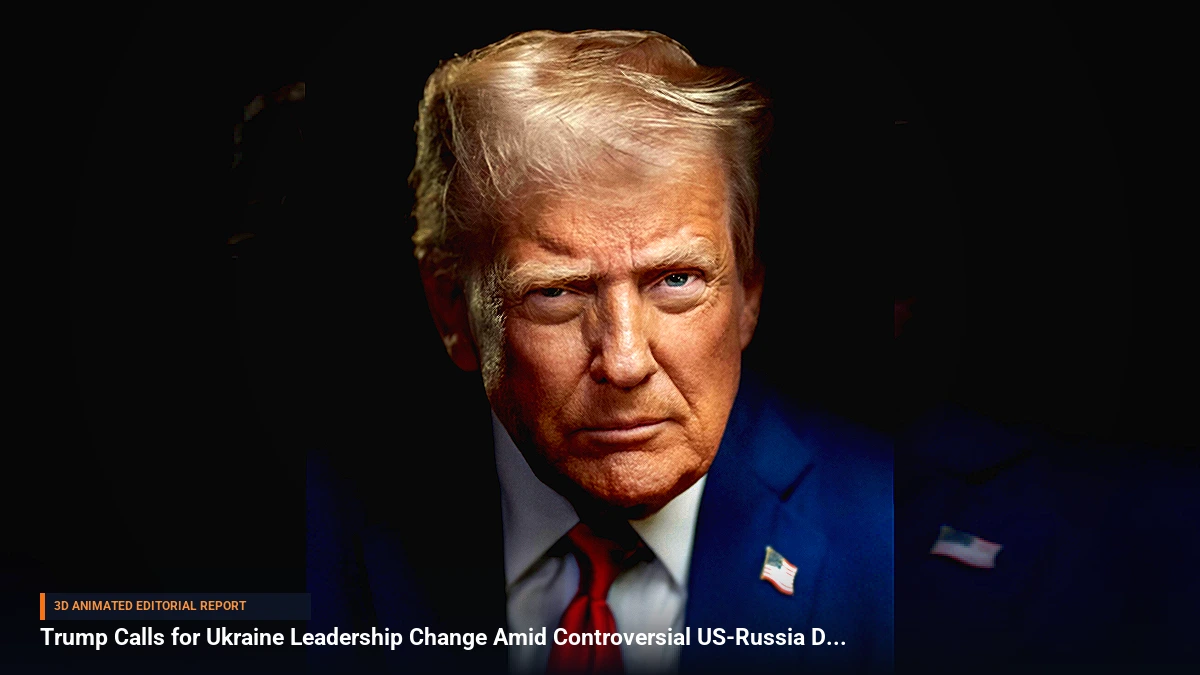
Simultaneously, within the United States, deep economic anxieties are forcing domestic political realignments. Republican US Senator Chuck Grassley has publicly called on President Donald Trump to implement an immediate embargo on diesel exports. This radical policy demand is driven by soaring fuel costs that threaten the financial viability of American farmers—pressures exacerbated by recent sweeping tariff implementations and ongoing regional conflicts involving Iran.
Background & Key Context
The simultaneous emergence of these two developments underscores how interconnected international flashpoints and domestic economic pain points have become. On the diplomatic stage, veteran leaders like India's S. Jaishankar have consistently pointed out that legacy international organizations are increasingly ill-equipped to manage modern multi-polar conflicts, supply chain fractures, and security crises.
On the domestic front, the American agricultural community finds itself caught in the crosshairs of aggressive trade measures and energy shocks. The compounding burden of retaliatory tariffs, combined with oil market volatility fueled by the Iran conflict, has sent agricultural production and transportation costs soaring. Senator Grassley's appeal reflects rising dissent from within the president's own party, exposing the political vulnerability of administrations pursuing aggressive trade postures without adequate safety nets for primary producers.
Key Takeaways
- Diplomatic Push for Reform: External Affairs Minister S. Jaishankar has urged global leaders to embrace reformed multilateralism to address intensifying geopolitical fragmentation.
- Agricultural Cost Crisis: US farmers are facing unprecedented financial strain due to high fuel prices, which are directly linked to trade tariffs and Middle Eastern conflict.
- Intra-Party Pressure: Republican Senator Chuck Grassley has broken ranks to demand an immediate presidential embargo on US diesel exports to shield domestic agriculture.
- Policy Contradiction: The tension illustrates the growing disconnect between sweeping national trade strategies and localized economic realities.
- Interconnected Markets: Global energy shocks and localized protectionist policies are proving mutually reinforcing, driving up operational costs worldwide.
Impact, Analysis & Global/National Reactions
The intersection of these events illustrates a broader crisis in modern governance: the struggle to reconcile national protectionist policies with the realities of globalized supply chains. Analysts note that while high-level UN engagements focus on broad structural reforms, local stakeholders like American farmers are dealing with immediate, existential profit squeezes.
"The agricultural sector is bearing the brunt of macroeconomic volatility that policymakers often underestimate," noted agricultural policy analysts following Senator Grassley's announcement. While the Trump administration faces mounting grassroots anger from rural voters, international bodies continue to debate whether cooperation or isolationism will define the remainder of the decade. Institutional responses to Jaishankar's UN appeals have highlighted broad consensus on the need for reform, yet tangible restructuring remains politically elusive.
What's Next: Looking Ahead
Attention will now turn to how the White House responds to the escalating demands from agricultural lawmakers. The push for a diesel export embargo sets up a potential legislative and executive clash over energy policy, federal subsidies, and trade protectionism.
On the international front, diplomatic delegations in New York will continue discussions on formatting inclusive multilateral frameworks, even as regional wars and trade disputes complicate consensus. Observers will closely monitor whether upcoming trade adjustments or emergency agricultural relief packages can successfully defuse domestic political discontent before upcoming legislative cycles.

Be the first to comment
Start a useful conversation around this story.