
What Happened: The Core Developments
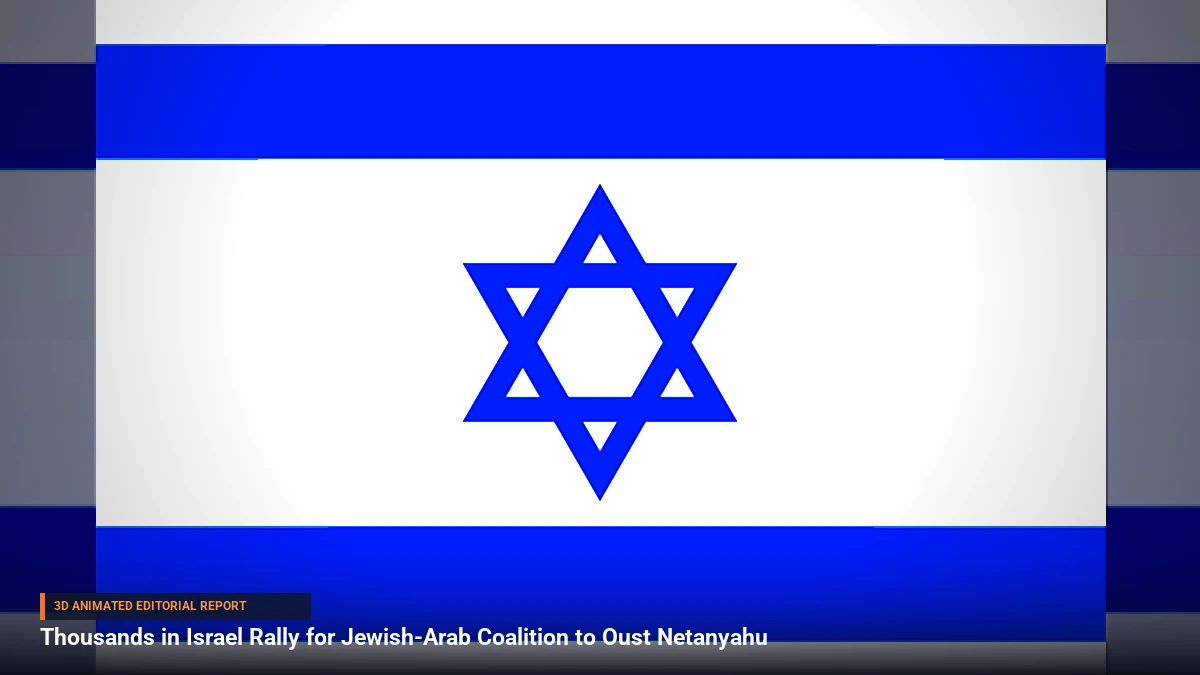
In a striking display of grassroots political dissent, thousands of protesters mobilized across Israel to call for an unprecedented political shift. The demonstrations center on the formation of a broad Jewish-Arab coalition designed to oust Prime Minister Benjamin Netanyahu from power. Protesters and political figures, including prominent voices like Gadi Eisenkot, have increasingly pushed for a fundamental realignment within the Knesset.
Simultaneously, the rallies sparked fierce pushback from supporters of the current administration. Right-wing counterprotesters turned out in significant numbers, fiercely opposing any prospective government that would rely on or involve Arab political parties. These counter-demonstrations featured sharp rhetoric, with organizers and attendees labeling Arab political entities as "terrorists" and warning against structural changes to the country's governance during a period of sustained national security concerns.
Background & Key Context
The political landscape in Israel has remained fractured and deeply tense following the catastrophic events of October 7. Public trust in the leadership of Prime Minister Netanyahu has faced repeated challenges from civil society groups, opposition politicians, and families of affected citizens. Historically, bridging the gap between mainstream Jewish opposition factions and Arab-Israeli political parties has presented immense structural and ideological hurdles.
However, mounting pressure to chart a new post-war political course has forced opposition strategists to rethink traditional alliances. Figures like Eisenkot have signaled a willingness to leverage parliamentary dynamics and build cross-communist majorities, testing the boundaries of conventional Israeli coalition-building.
Key Takeaways
- Broad Mobilization: Thousands of demonstrators took to the streets advocating for a joint Jewish-Arab political front.
- Political Shift: Key opposition figures, including Gadi Eisenkot, are pushing to marshal a Knesset majority against the current administration.
- Fierce Opposition: Netanyahu supporters staged counterprotests, rejecting any coalition framework that includes Arab political parties.
- Ideological Friction: The core debate highlights deep societal divisions over national identity, security, and partnership within Israeli governance.
Impact, Analysis & Global/National Reactions
The emergence of a mobilized movement demanding a Jewish-Arab political alliance signifies a potentially transformative moment in Israeli domestic politics. For decades, traditional Israeli political blocs have treated Arab parties as peripheral to major coalition arithmetic. The current push seeks to upend this status quo, arguing that a unified democratic front is necessary to dismantle the existing administration.
Conversely, the rapid mobilization of Netanyahu loyalists demonstrates the enduring strength of nationalist and right-wing sentiments. Critics of the proposed coalition argue that incorporating Arab factions compromises national security principles, a sentiment amplified by counterprotesters branding political opponents with severe rhetoric. Analysts note that these opposing forces reflect a nation grappling simultaneously with external security threats and a profound internal identity crisis.
What's Next: Looking Ahead
As opposition leaders explore avenues to secure a working majority in the Knesset, all eyes will turn to parliamentary maneuvering and upcoming legislative sessions. The ability of figures like Eisenkot to bridge historic divides will be rigorously tested as parties position themselves for potential electoral challenges or sudden coalition realignments.
Observers will closely monitor whether grassroots pressure can translate into formal political pacts, or if the deep polarization witnessed on the streets will solidify the existing government's grip on power.



Be the first to comment
Start a useful conversation around this story.