
What Happened: The Core Developments
International diplomacy surrounding the ongoing geopolitical crisis in the Middle East has hit a curious stalemate following a divergence between public rhetoric and formal channels. Recently, Iran proposed a comprehensive seven-day roadmap designed to bring an end to the current hostilities and safely reopen the vital Strait of Hormuz, provided the United States agrees to specific conditions. However, US leadership swiftly pushed back against the overture.
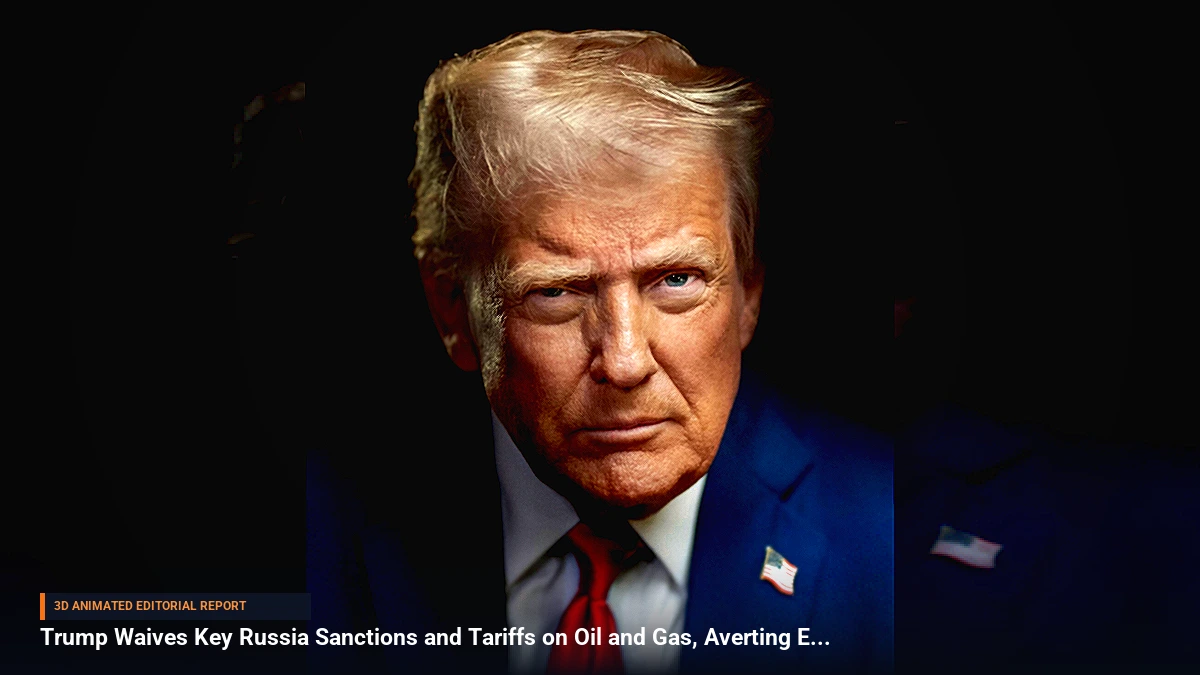
US President Donald Trump publicly rejected the proposed ceasefire and reopening plan, casting doubt on the immediate viability of a negotiated settlement. Despite this clear public stance, the Iranian foreign ministry has insisted that Tehran has yet to receive any formal, official rejection through established diplomatic channels. Iranian officials emphasize that until a formal communication is delivered, the dialogue remains technically open.
Background & Key Context
The Strait of Hormuz represents one of the world's most critical energy chokepoints, through which a massive percentage of global oil consumption passes daily. Any disruption to maritime traffic in this corridor immediately reverberates across international markets, spiking energy prices and threatening global supply chain stability.
For weeks, tensions have mounted as international monitors watch for signs of de-escalation. The sudden tabling of a seven-day framework by Tehran was viewed by some analysts as a potential breakthrough, though its stringent conditions left ample room for skepticism in Washington. The juxtaposition of uncompromising public statements from the White House against Tehran's insistence on procedural diplomatic protocols underscores the delicate and fragile nature of current backchannel communications.
Key Takeaways
- The Proposed Roadmap: Iran offered a seven-day timeline to halt the conflict and unblock the Strait of Hormuz contingent upon specific US concessions.
- Public Rejection: Donald Trump publicly dismissed the Iranian ceasefire and reopening proposal.
- Diplomatic Disconnect: Tehran's foreign ministry notes that despite public remarks, no official or formal rejection has been transmitted through diplomatic channels.
- Call for Negotiations: Iranian leadership continues to stress that sustainable resolution can only be achieved through formal negotiation rather than public posturing.
- Market Anxiety: Continued volatility around the Strait of Hormuz keeps global energy markets and shipping industries on high alert.
Impact, Analysis & Global/National Reactions
The gap between public executive declarations and traditional diplomatic protocol highlights the complexities of modern international crisis management. Analysts note that leaders frequently use public platforms to signal strength to domestic audiences, while foreign ministries attempt to preserve room for behind-the-scenes bargaining.
International observers have expressed concern that the immediate rejection of the framework—without a formal counter-proposal or structured diplomatic exchange—risks entrenching both sides further into conflict. Stakeholders in the global shipping and energy sectors remain particularly vulnerable, as the prolonged closure or threat of closure in the Strait of Hormuz directly impacts operational costs and resource distribution worldwide.
What's Next: Looking Ahead
As Tehran waits for a formal response from Washington, international mediators are working quietly to determine whether a revised framework can bridge the gap between the two adversaries. The coming days will likely reveal whether the US intends to issue a formal diplomatic note closing the door on the current proposal, or if backchannel pressures will force a reassessment of the seven-day roadmap. Observers will be closely monitoring official state department updates and maritime security reports in the region for any sign of shifting positions.


Be the first to comment
Start a useful conversation around this story.