
What Happened: The Core Developments
British politics faced a turbulent intersection of internal ideological disputes and electoral accountability as the Green Party confronted the aftermath of a contentious conference decision. Members of the Green Party voted to adopt a policy motion formally declaring Zionism a form of racism, triggering widespread national debate and severe political repercussions.
Adding to the turmoil, the party suffered a definitive defeat in the Holborn and St Pancras by-election. Labour candidate Sagal Abdi-Wali secured victory in the contest, successfully fending off a strong challenge from Green candidate Zack Polanski. The loss dealt a blow to Polanski’s political standing and capped a bruising week defined by intense public scrutiny over the party's newly adopted ideological stances.
Background & Key Context
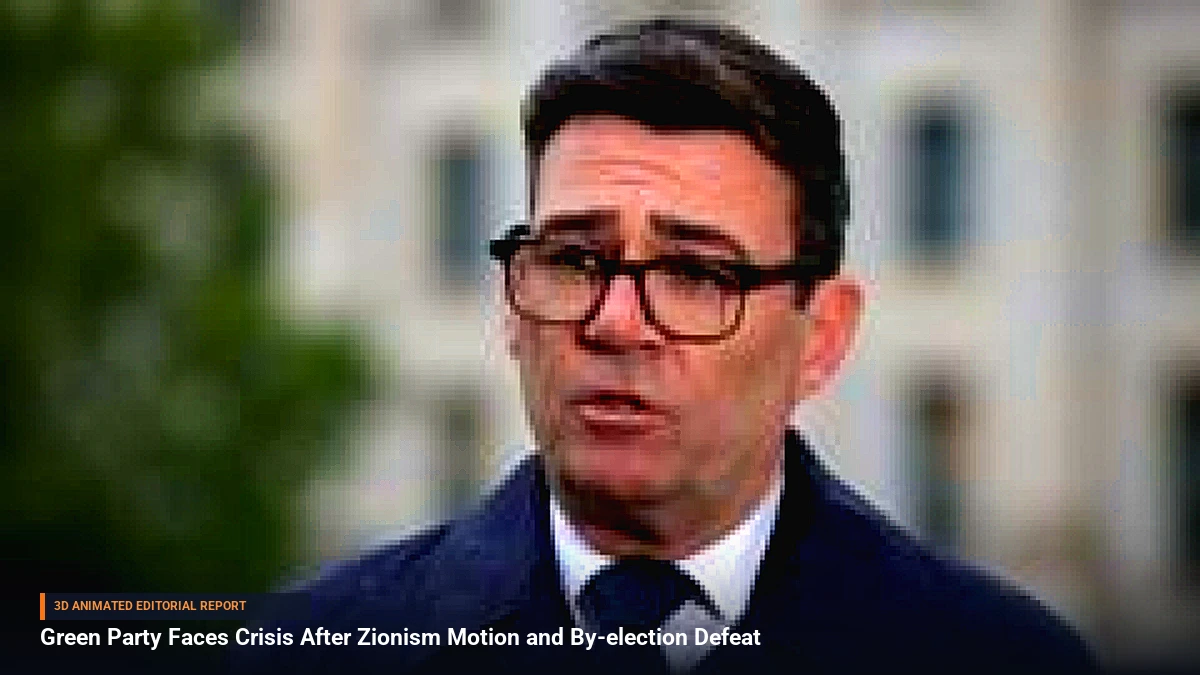
The controversy intensified when prominent figures, including Andy Burnham, publicly intervened in the political row, calling on the Green leadership to reverse the conference's decision. The motion itself exposed deep ideological fractures within the party ranks.
Green MP Siân Berry later revealed that several internal opponents of the Zionism motion were actively "persuaded" not to fight the decision during the conference due to the sensitive timing of the ongoing Holborn and St Pancras by-election. Activists and local councillors on the ground in Camden reported that the policy shift directly alienated key voters, causing significant reputational damage just as the party sought to challenge Labour in one of its traditional strongholds.
Key Takeaways
- Conference Decision: The Green Party voted to adopt a policy motion declaring Zionism to be a form of racism.
- By-election Outcome: Labour's Sagal Abdi-Wali won the Holborn and St Pancras by-election, defeating Green candidate Zack Polanski.
- Internal Dissension: Green MP Siân Berry acknowledged that internal opposition to the motion was suppressed during the conference to avoid immediate electoral fallout.
- External Interventions: High-profile political figures, such as Andy Burnham, publicly criticized the move and urged leadership to reconsider.
- Reputational Fallout: Local activists and opposing councillors noted that the motion cost the Greens vital votes at the ballot box.
Impact, Analysis & Global/National Reactions
The convergence of the policy vote and the by-election loss has created a profound test for the Green Party's leadership and national strategy. Observers note that while the Greens have increasingly sought to challenge traditional parties in urban centers, controversial foreign policy positions taken at party conferences can alienate moderate voters and overshadow core domestic messaging like climate action and housing.
Siân Berry's candid admission regarding the suppression of internal dissent highlights the immense internal pressure party managers face. Meanwhile, Sagal Abdi-Wali’s emotional victory speech emphasized deep-rooted community connections, providing a welcome reassurance for the Labour Party leadership amidst broader national political realignments.
What's Next: Looking Ahead
As the dust settles on the Holborn and St Pancras contest, Zack Polanski and the wider Green Party leadership face critical questions regarding party management, policy formulation, and electoral appeal. Pressure from external critics and internal pragmatists alike will likely force a reckoning over whether to revisit the conference motion or risk prolonged alienation from mainstream progressive voters ahead of future electoral cycles.





Be the first to comment
Start a useful conversation around this story.