
What Happened: The Core Developments
The global energy landscape is undergoing a profound transformation, driven by both corporate mega-projects and state-level survival strategies under economic duress. In India, Adani Enterprises' subsidiary, Kutch Copper, has announced a strategic move to integrate 115 MW of renewable energy into its massive smelting operations. Currently operating a facility with a production capacity of 500,000 tonnes per annum, the company has charted an ambitious expansion roadmap to double its output to one million tonnes. Once completed, this facility is projected to become the world’s largest single-location custom copper smelter, anchoring its high energy demands with sustainable power solutions.
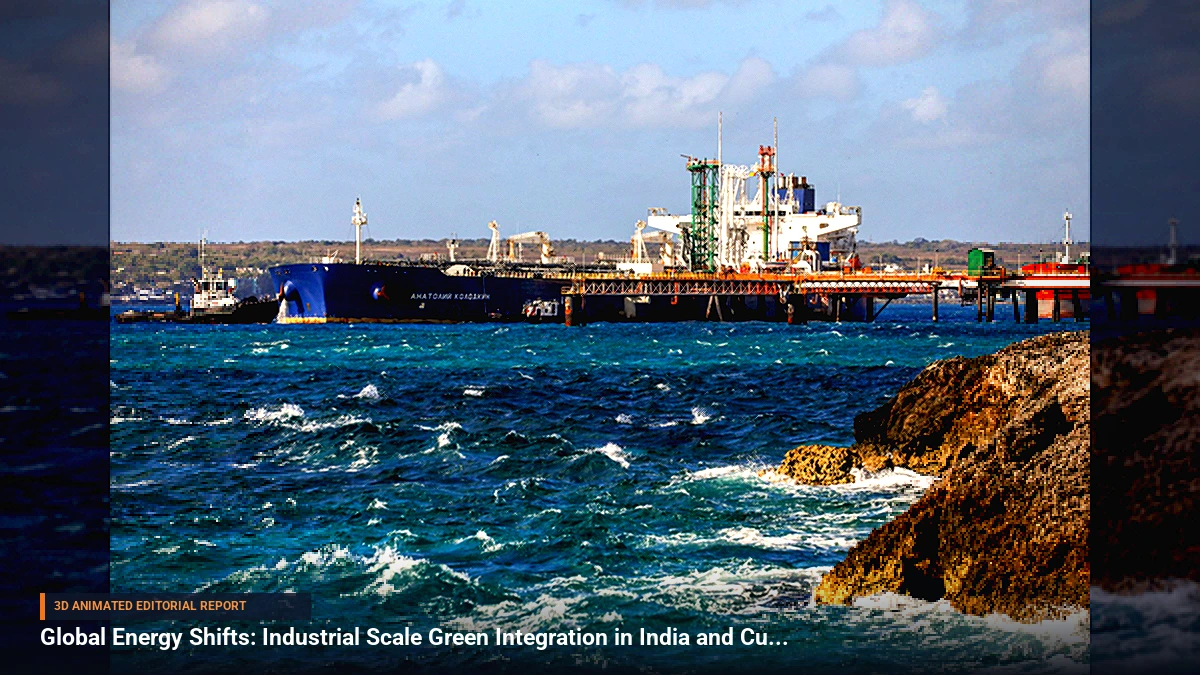
Simultaneously, across the globe in the Caribbean, Cuba is accelerating its own domestic renewable energy transition. Operating under the severe constraints of a stringent United States oil blockade, the Cuban government is pushing forward with green energy alternatives. Amidst these geopolitical friction points, the Cuban energy minister publicly addressed and denied direct links to fuel shipments recently intercepted by US authorities, highlighting the inadequacy of current private-firm oil imports to sustain the island's baseline energy needs.
Background & Key Context
The pursuit of renewable integration by these vastly different entities underscores a universal truth: energy security is now inextricably linked to industrial viability and national sovereignty. For industrial giants like Adani, scaling up base metals production—vital for global electrification and green technologies—requires concurrent investments in captive or integrated clean power to mitigate long-term carbon liabilities and energy price volatility.
Conversely, Cuba’s pivot toward renewables is rooted in acute necessity. Decades of trade embargoes and a tightening oil blockade have left the island nation vulnerable to crippling fossil fuel shortages. State planners view renewable energy adoption not merely as an environmental objective, but as an existential economic imperative designed to reduce total dependence on imported petroleum and stabilize the national electrical grid.
Key Takeaways
- Industrial Decarbonization: Adani Enterprises' Kutch Copper is embedding a 115 MW renewable energy integration to support its massive smelting expansions.
- Scale and Dominance: Kutch Copper aims to scale its annual capacity to one million tonnes, positioning itself as the premier single-location custom copper smelter globally.
- Geopolitical Pressures: Cuba is actively advancing its green energy agenda while navigating a strict US oil blockade that severely restricts traditional fossil fuel imports.
- Sovereign Defenses: Cuban energy officials have distanced state operations from intercepted private fuel shipments, emphasizing the insufficiency of private import channels.
- Divergent Drivers: While corporate entities pursue clean integration for efficiency, scale, and sustainability metrics, sovereign states like Cuba leverage renewables for basic economic resilience and energy independence.
Impact, Analysis & Global/National Reactions
The dual trajectories of corporate green integration in India and state-forced renewables adoption in Cuba illustrate the multifaceted nature of the modern energy transition. Market analysts note that as demand for critical minerals like copper surges to support global EV adoption and grid modernization, processing facilities must secure stable, low-carbon power sources to remain competitive.
Meanwhile, international observers view Cuba's accelerated renewable push as a critical test case for isolated economies attempting to bypass fossil fuel dependencies. While institutional responses from Washington maintain strict enforcement of trade restrictions, Havana continues to seek international partnerships and domestic efficiencies to keep its renewable transition alive, reflecting a broader global shift toward decentralized and resilient power grids.
What's Next: Looking Ahead
Stakeholders across both regions will be watching closely as these initiatives unfold. For Kutch Copper, the immediate focus shifts to the technical execution of the 115 MW renewable energy integration and keeping the one-million-tonne production expansion on schedule. In Cuba, the coming months will test the government's ability to attract foreign technical cooperation and financing for renewable infrastructure projects while managing ongoing fuel deficits. Both cases highlight that whether driven by corporate ambition or geopolitical necessity, the future of heavy industry and national survival lies in aggressive clean energy integration.






Be the first to comment
Start a useful conversation around this story.