
What Happened: The Core Developments
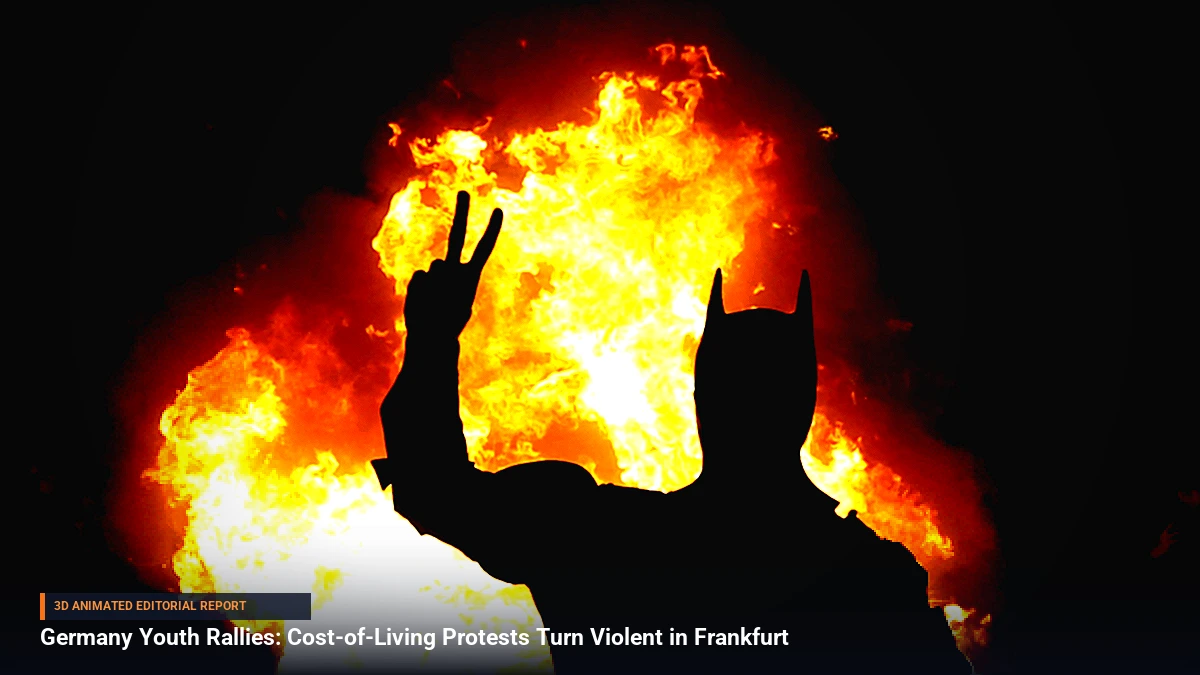
Across Germany's largest urban centers, tens of thousands of participants, predominantly belonging to younger generations, mobilized for coordinated demonstrations. The rallies were ostensibly organized to highlight mounting socio-economic pressures, specifically focusing on the escalating cost of living and chronic underfunding or structural flaws within the national education system.
While the vast majority of the gatherings remained peaceful, demonstrating civic engagement and collective solidarity, pockets of unrest severely disrupted proceedings. In cities like Frankfurt, the demonstrations devolved into aggressive confrontations. Rioters engaged in opportunistic property destruction, resulting in shops being looted and structurally damaged, forcing law enforcement to intervene heavily and drawing immediate condemnation from state and federal officials.
Background & Key Context
Europe's largest economy has faced mounting economic headwinds over recent years, driven by persistent inflation, energy market volatility, and post-pandemic fiscal tightening. For Germany’s younger demographic—often categorized as Generation Z—these macroeconomic strains have translated into acute personal anxieties regarding future job security, housing affordability, and the quality of public schooling and higher education.
Simultaneously, broader European discontent has spilled across borders, mirroring massive mobilization seen in neighboring countries like France. This wave of civil action highlights a growing generational divide, where young citizens feel disproportionately burdened by economic policies and institutional inaction.
Key Takeaways
- Massive Turnout: Tens of thousands of youth took to the streets in major German cities.
- Core Grievances: The demonstrations primarily centered around demands for lower living costs and comprehensive educational reforms.
- Escalation to Violence: Certain rallies, notably in Frankfurt, saw severe disruptions, including storefront damage and looting.
- Government Response: German federal ministers have pledged swift and uncompromising legal actions against rioters.
- Broader European Trend: The protests coincide with widespread civic unrest and massive marches observed in neighboring France.
Impact, Analysis & Global/National Reactions
The dual nature of the weekend's events—pitting legitimate, peaceful youth activism against destructive opportunistic rioting—has triggered an intense national debate within Germany. Sociologists and political analysts note that while the grievances regarding economic inflation and educational support are widely validated by the public, the outbreak of urban violence threatens to overshadow the core message of the youth movement.
German government ministers moved quickly to address the unrest in Frankfurt, issuing strong statements condemning the criminal actions of a minority. Officials promised tough administrative and legal repercussions, emphasizing that while the constitutional right to protest remains absolute, public safety, law and order, and the protection of local commerce will be rigorously enforced.
What's Next: Looking Ahead
As municipal authorities assess the physical and economic damage in Frankfurt and other affected areas, policymakers face mounting pressure to address the underlying economic anxieties fueling these demonstrations. Law enforcement agencies are expected to review surveillance footage to identify individuals responsible for the looting, potentially leading to a wave of arrests and heightened security protocols for upcoming public gatherings.




Be the first to comment
Start a useful conversation around this story.