
What Happened: The Core Developments
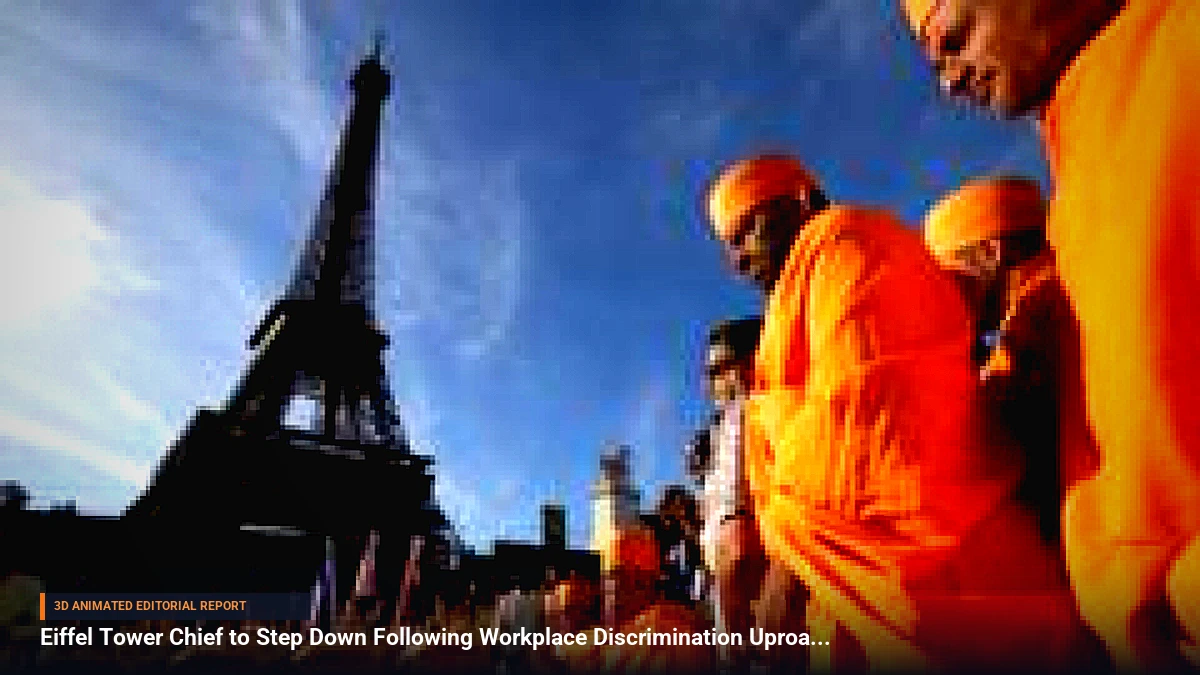
The leadership structure of one of the world's most recognizable cultural landmarks is undergoing a dramatic shift. The chief executive operating the Eiffel Tower announced their departure following widespread public and institutional outcry. The controversy erupted earlier in the month when female employees working at the monument were systematically sidelined and replaced with male counterparts during a high-profile visit by a visiting Hindu group.
The operating company responsible for the management of the Parisian monument swiftly addressed the incident, explicitly characterizing the removal and reassignment of female staff members as "unacceptable." The decision to alter workplace assignments based on visitor preferences triggered intense scrutiny regarding institutional compliance with labor laws and fundamental principles of workplace equality in France.
Background & Key Context
France maintains strict legal frameworks protecting gender equality and non-discrimination in professional environments. Public institutions and corporate entities operating major tourist attractions are expected to uphold these legal standards rigorously, regardless of external visitor requests or religious accommodations. The sudden sidelining of female workers at such a prominent global site illuminated the delicate balance between cultural tourism management and domestic legal protections.
While corporate entities frequently coordinate specialized security and hospitality protocols for visiting dignitaries or organized groups, adapting staffing demographics to suit external preferences represents a direct breach of standard governance norms. The swift public backlash highlights how modern corporate oversight increasingly holds top leadership directly accountable for operational failures related to equity and inclusion.
Key Takeaways
- Leadership Fallout: The chief director of the Eiffel Tower's operating company is stepping down as a direct consequence of the staffing controversy.
- Gender Discrimination: Female employees were systematically removed and replaced with men during a specific delegation's visit earlier in the month.
- Official Condemnation: Management publicly denounced the staff swap, categorizing the actions taken during the visit as wholly unacceptable.
- Regulatory Pressure: The incident underscores strict French labor protections and the zero-tolerance stance against workplace discrimination.
Impact, Analysis & Global/National Reactions
Employment advocates and labor unions have seized upon the incident to demand tighter internal compliance audits across major European cultural venues. Observers note that while international tourism is a vital economic driver for metropolitan landmarks, accommodating external cultural or religious norms can never supersede local labor regulations and anti-discrimination mandates.
Corporate governance experts emphasize that top executives bear ultimate responsibility for the actions of on-site management teams. By stepping down, the outgoing director highlights the severe reputational and professional costs associated with permitting discriminatory practices within high-profile public operations.
What's Next: Looking Ahead
As the leadership transition moves forward, the governing board of the Eiffel Tower's operating company is expected to implement rigorous staff protection protocols and comprehensive diversity training for all operational tiers. Stakeholders will be closely monitoring upcoming administrative appointments to ensure that the incoming leadership firmly commits to absolute equality and transparent operational practices at France's premier national monument.




Be the first to comment
Start a useful conversation around this story.