
What Happened: The Core Developments
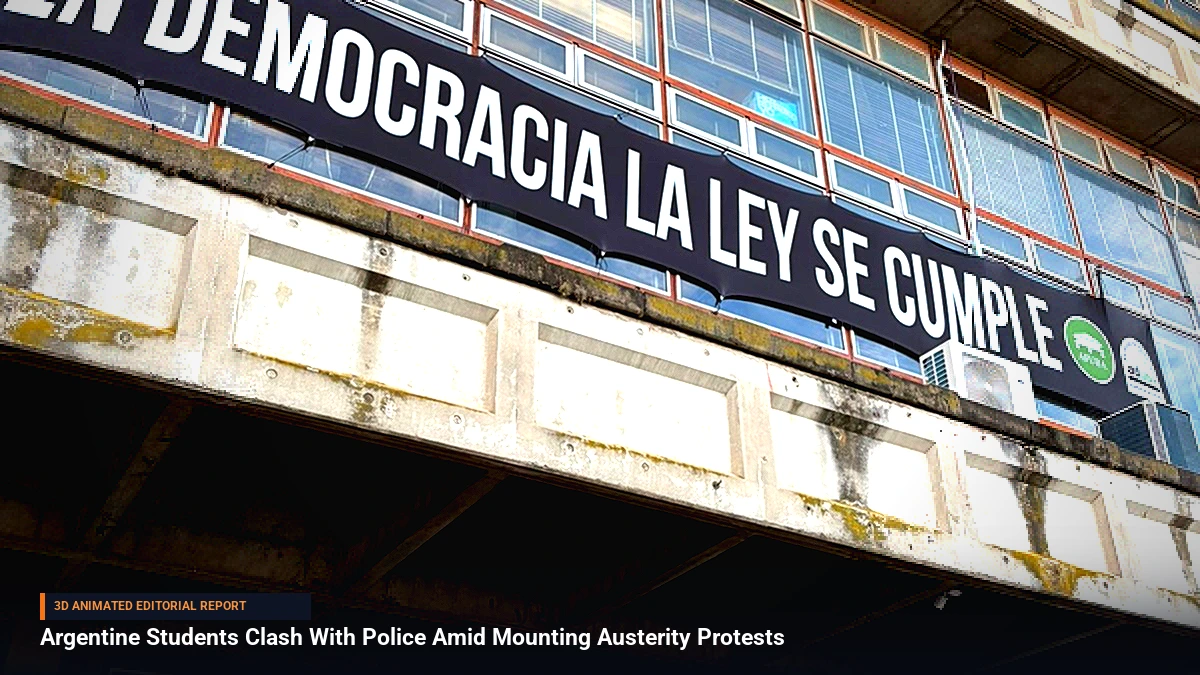
Tensions reached a boiling point across Argentina as university students, faculty members, and civic demonstrators mobilized against the federal administration's sweeping fiscal policies. What began as organized campus assemblies and peaceful marches quickly escalated into heated confrontations with security forces in several urban centers.
The demonstrations were catalyzed by ongoing university budget freezes and funding shortages that have crippled academic institutions. As crowds gathered to demand the full implementation of public university funding laws, clashes erupted between protesters and riot police, exposing deep fissures over the administration's economic blueprint.
Simultaneously, the executive branch faced legal rebuke. A presiding judge issued a formal fine against the Argentine government, penalizing authorities for their continuous failure to allocate mandated funds to national universities. This judicial intervention highlights a growing institutional conflict between the judiciary and the executive over the enforcement of social spending laws.
Background & Key Context
Since taking office, President Javier Milei has pursued an aggressive economic austerity agenda aimed at eliminating the national deficit and curbing runaway inflation. While international financial markets and fiscal conservatives have praised the administration's commitment to balancing the budget, the domestic impact on public services has been severe.
Public universities, which historically form a cornerstone of Argentina's middle-class mobility and intellectual culture, have bore a significant brunt of these fiscal adjustments. Campus administrators have repeatedly warned that utility bills, academic research grants, and baseline operational costs cannot be sustained under current funding allocations, setting the stage for months of simmering discontent that has now spilled over into open street protests.
Key Takeaways
- Mass Mobilizations: Argentine students and allied demonstrators have launched widespread campus protests and street marches against President Javier Milei's budget cuts.
- Violent Confrontations: Peaceful protests in several locations deteriorated into physical clashes between demonstrators and police forces.
- Judicial Pushback: A federal judge penalized the Argentine government with financial fines for refusing to disburse legally mandated public university funds.
- Core Grievances: Protesters are demanding immediate implementation of public university funding laws to prevent institutional closures and staff layoffs.
- Austerity Conflict: The crisis underscores the friction between the executive's macro-fiscal goals and constitutional guarantees regarding public education.
Impact, Analysis & Global/National Reactions
The standoff between the Milei administration and the academic sector represents one of the most significant domestic challenges to the government's economic strategy. Critics argue that starving public universities of resources undermines long-term national development and social mobility.
Conversely, administration defenders maintain that fiscal discipline is non-negotiable if Argentina is to escape decades of structural economic decline. The ruling government has continuously emphasized that all state expenditures must be scrutinized to achieve zero deficit, viewing public sector resistance as an obstacle to necessary modernization.
Legal experts note that the judge's decision to fine the government introduces a novel constitutional dilemma, testing the limits of judicial authority in compelling executive spending during a fiscal emergency.
What's Next: Looking Ahead
As higher education institutions struggle to keep their doors open, all eyes turn to the appellate courts to determine whether the government will be forced to immediately disburse the withheld funds or if the fines will be successfully appealed.
Further student assemblies and national strike actions are currently being planned by academic unions, signaling that the unrest is unlikely to subside in the near term. The administration's response to both the judicial penalties and the ongoing street protests will likely define the political trajectory of Milei's tenure in the coming months.
Be the first to comment
Start a useful conversation around this story.