
What Happened: The Core Developments
The three-year marker of the October 7 attacks was observed globally with memorials, vigils, and stark political divisions. In the midst of commemorations honoring victims and reflecting on the prolonged conflict, public figures found themselves under an intense microscope.
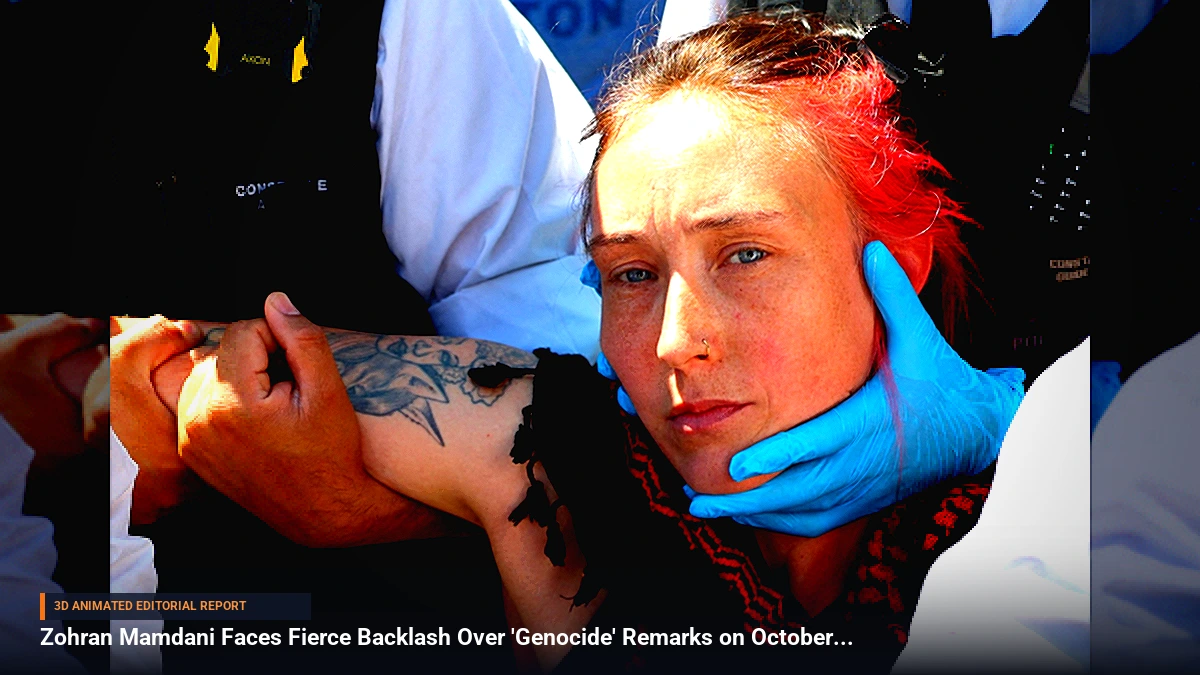
Political figure Zohran Mamdani faced immediate and heavy backlash after referring to Israel's military campaign in Gaza as an "ongoing genocide" precisely on the anniversary of the October 7 events. The choice of language and timing ignited fierce debates across political circles, amplifying deep-seated polarization regarding how the anniversary should be addressed.
Background & Key Context
The remarks arrive against the backdrop of a prolonged and devastating conflict that reshaped geopolitics, regional security, and international civil movements. Three years after the Hamas-led attacks that triggered the massive Israeli military assault on Gaza, populations around the world—ranging from local communities in the Middle East to grassroots activists in Western nations like the United Kingdom—remain deeply mobilized.
Public discourse has consistently struggled to find a unified vocabulary. While supporters of Israel emphasize the trauma of the October 7 massacres and the ongoing plight of hostages, critics and human rights advocates focus heavily on the mounting civilian casualties and destruction inside Gaza, frequently invoking terms like genocide that remain fiercely contested on the global stage.
Key Takeaways
- Anniversary Marker: Communities globally marked three years since the October 7 attacks and the subsequent war in Gaza.
- Controversial Statement: Zohran Mamdani faced significant public and political backlash for labeling the military campaign an "ongoing genocide."
- Timing Sensitivity: Delivering the remarks on the anniversary date intensified the friction between differing political narratives.
- Global Mobilization: The multi-year conflict continues to drive international activism, pulling citizens into intense domestic political debates.
- Polarized Discourse: The stark divergence in language highlights the deep global rift over accountability, security, and humanitarian concerns.
Impact, Analysis & Global/National Reactions
The collision between solemn remembrance of October 7 and sharp political commentary underscores the difficulty of navigating a narrative war that has persisted for years. Observers note that language on this topic functions as a litmus test within domestic politics, often alienating opposing constituencies.
While critics argue that invoking terms like genocide on the anniversary minimizes the specific trauma and loss suffered by Israeli victims, defenders of such statements contend that addressing the scale of destruction in Gaza is an indispensable part of any honest assessment of the three-year milestone. This ideological chasm continues to influence legislative debates, public rallies, and media discourse worldwide.
What's Next: Looking Ahead
As the conflict enters its fourth year, the international community faces sustained pressure to address diplomatic stalemates, humanitarian crises, and the domestic fallout within nations deeply divided over the issue. Political figures navigating these sensitive topics will likely face continued scrutiny as elections, policy formulations, and grassroots movements evolve in response to the protracted crisis.

Be the first to comment
Start a useful conversation around this story.