
What Happened: The Core Developments
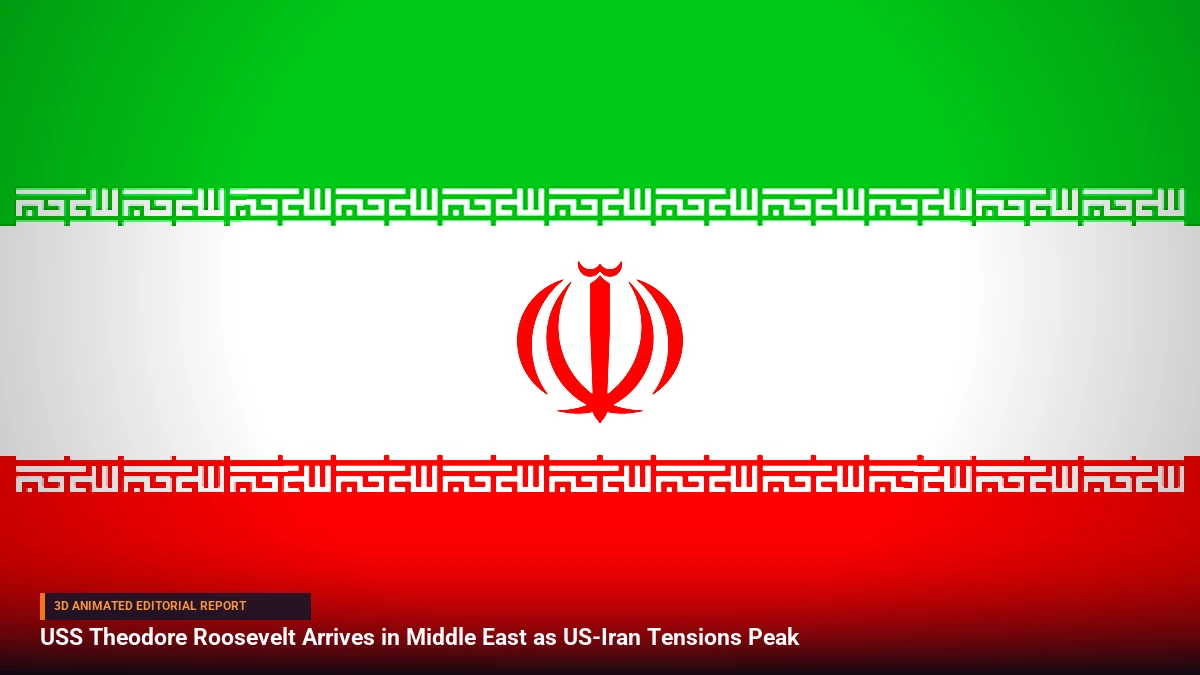
The geopolitical landscape of the Middle East faces a profound test of stability following the official arrival of the USS Theodore Roosevelt aircraft carrier within the US Central Command (CENTCOM) area of responsibility. This deployment marks a significant tactical reinforcement, bringing the total number of American aircraft carriers operating concurrently in the region to three.
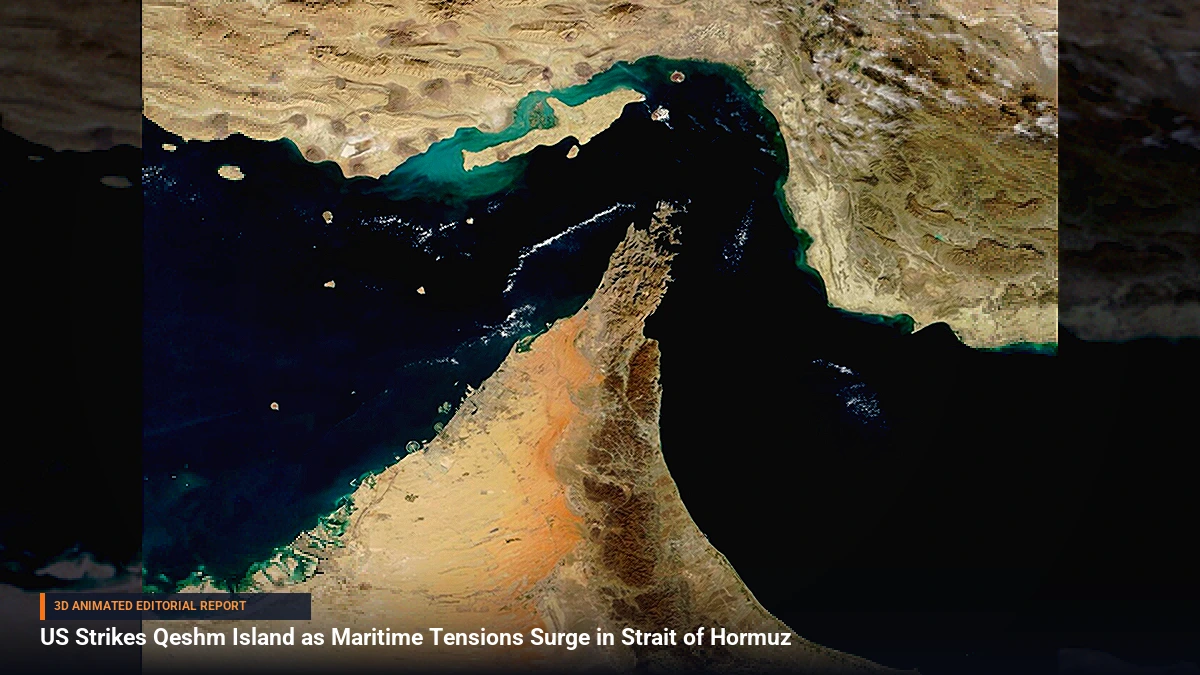
The timing of this naval surge coincides with escalating concerns over maritime security. Regional reporting highlights emerging flashpoints, including unverified yet alarming claims regarding naval mine incidents impacting commercial tankers transiting the crucial Strait of Hormuz. These kinetic security concerns are amplified by fiery rhetorical postures from Tehran, where military and political leadership have openly warned of potential preemptive countermeasures should the Islamic Republic perceive an impending American attack.
Background & Key Context
The deployment of multiple strike groups into the Middle East underscores a long-standing defense strategy aimed at projecting overwhelming American military deterrence. However, the presence of a triple-carrier strike capability is a rare and highly visible escalation, historically reserved for moments of acute crisis.
Relations between Washington and Tehran have deteriorated through a series of protracted diplomatic impasses, economic blockades, and proxy conflicts. Previous flare-ups have repeatedly turned the Strait of Hormuz—a vital global energy transit chokepoint—into a volatile theater of operations. The convergence of heavy naval assets and active threats to commercial shipping channels revives deep-seated concerns over the potential resumption of wider military hostilities in the Persian Gulf.
Key Takeaways
- Triple-Carrier Surge: The arrival of the USS Theodore Roosevelt establishes a rare three-carrier posture within the US Central Command region.
- Strait of Hormuz Security: Emerging reports of naval mine incidents involving commercial tankers threaten critical global maritime and energy supply routes.
- Heightened Posturing: Tehran has issued warnings regarding potential preemptive military actions to deter perceived hostile escalations.
- Deterrence vs. Escalation: Defense analysts remain divided on whether the massive naval buildup serves as a stabilizing deterrent or a catalyst for accidental conflict.
- Global Economic Fallout: Key financial and energy stakeholders are closely monitoring the region for potential disruptions to crude oil shipments and market stability.
Impact, Analysis & Global/National Reactions
The massing of American naval power in proximity to Iranian waters has sent shockwaves through international diplomatic and energy markets. Strategic analysts note that while a robust naval presence is designed to deter aggression, it concurrently compresses decision-making timelines during tactical encounters, thereby raising the risk of miscalculation.
Political leadership in Washington has emphasized the protective posture of the deployment, with senior figures issuing public statements commending the readiness of deployed service members. Conversely, Iranian officials have condemned the posture as aggressive state-sponsored intimidation, signaling that any hostile move will be met with immediate asymmetric and conventional responses.
Energy market watchers have similarly expressed acute anxiety. Any prolonged disruption or threat profile elevation in the Strait of Hormuz—through which a significant percentage of the world's petroleum passes—carries the immediate potential to jolt global energy prices and trigger inflationary pressures across international economies.
What's Next: Looking Ahead
As the USS Theodore Roosevelt integrates into ongoing CENTCOM operations alongside its fellow carrier strike groups, regional observers will monitor several critical indicators:
- Maritime Patrols: Enhanced mine-sweeping and naval escort operations by international coalitions in the Strait of Hormuz.
- Diplomatic Channels: Potential back-channel negotiations or interventions by regional intermediaries to de-escalate maritime friction.
- Rhetorical Responses: Future policy announcements from Tehran concerning nuclear inspections, regional alliances, and defense postures.
- Market Volatility: Immediate reactions from global crude markets as traders price in the heightened risk of sustained regional conflict.
Be the first to comment
Start a useful conversation around this story.