
What Happened: The Core Developments
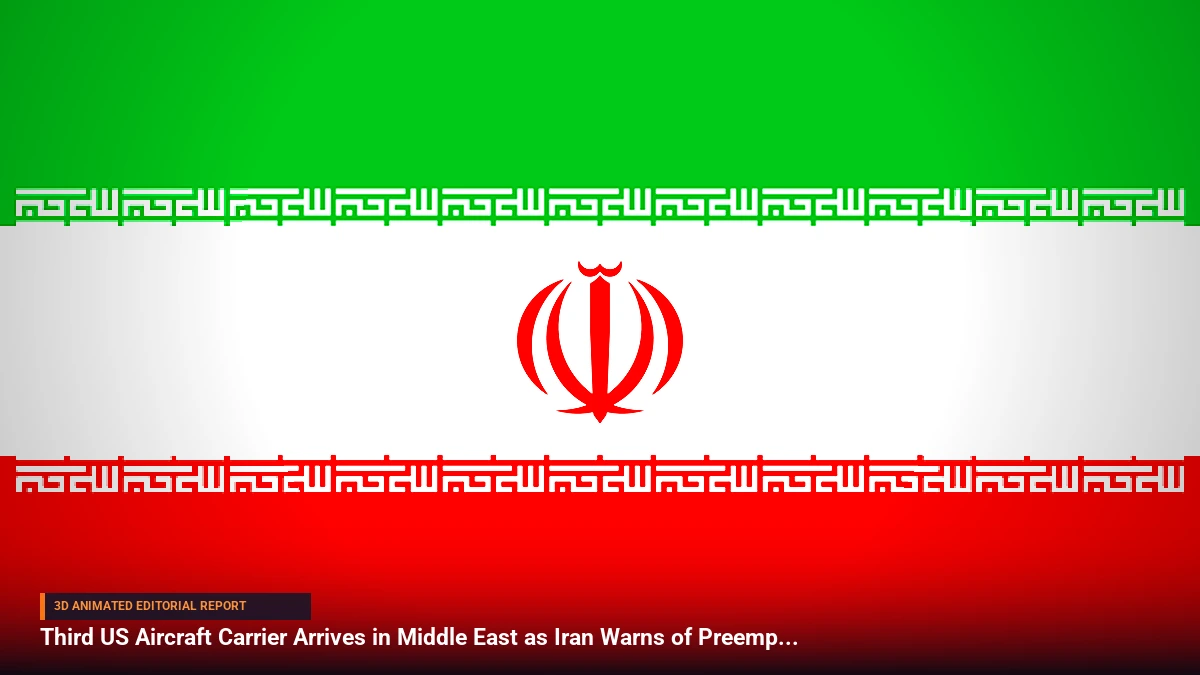
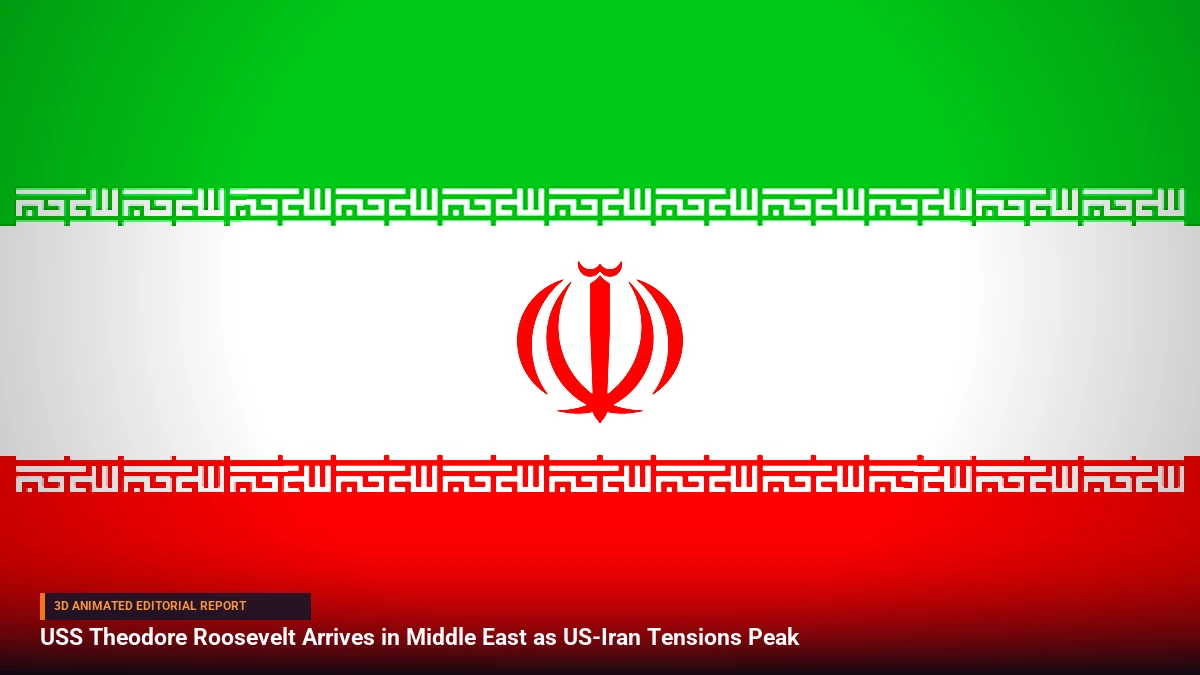
The geopolitical standoff in the Middle East has entered a highly volatile phase following the arrival of a third United States aircraft carrier in the region. The USS Theodore Roosevelt has joined existing naval forces, significantly bolstering American strike capabilities as friction with Tehran intensifies.
The deployment comes on the heels of mounting regional hostilities and strategic positioning by Washington. Simultaneously, Iranian leadership has shifted its rhetorical stance, warning international observers and the US military that Tehran is fully prepared to launch a preemptive strike rather than passively wait for a potential American attack. This doctrine of early action highlights a dangerous acceleration in military posturing, where defensive deterrence strategies risk inadvertently triggering active conflict.
Background & Key Context
The decision to position three aircraft carriers concurrently in the Middle East underscores the gravity with which Washington views the security landscape. Aircraft carrier strike groups serve as mobile airbases and powerful instruments of deterrence, capable of projecting overwhelming air and missile power across vast distances.
Relations between Washington and Tehran have deteriorated steadily over overlapping disputes concerning regional proxy networks, maritime security, and stalled diplomatic efforts regarding Iran's nuclear program. Previous incidents, including skirmishes and regional attacks involving aligned militias, have created a hair-trigger environment where miscalculations can swiftly escalate into full-scale military engagements.
Key Takeaways
- Naval Reinforcement: The USS Theodore Roosevelt is now on station, bringing the total number of US aircraft carriers operating concurrently in the Middle East to three.
- Iranian Posturing: Tehran has explicitly warned that it may initiate a preemptive strike rather than absorb a prospective US military offensive.
- Deterrence Dilemma: Massive military buildups intended to deter aggression are increasingly viewed by analysts as potential flashpoints for accidental escalation.
- Regional Fallout: The heightened naval posture directly correlates with broader strategic friction, including ongoing maritime security challenges and deadlocked nuclear inspections.
Impact, Analysis & Global/National Reactions
Strategic analysts note that operating three carrier strike groups in a confined geographic theater represents a massive logistical and operational commitment by the Pentagon. While the official objective remains deterrence and the protection of allied interests and shipping lanes, the presence of such formidable offensive assets inevitably shrinks decision-making windows for all military commanders involved.
International defense experts have expressed grave concern over Iran's threats of a preemptive strike. In past decades, military doctrine in Tehran leaned heavily toward asymmetric defense and protracted deterrence. The explicit contemplation of striking first marks a notable psychological and tactical shift, raising the stakes for regional stability.
Diplomatic channels remain dangerously narrow. Allies of the United States in the region have urged caution, while European and Asian capitals monitor the situation closely for potential disruptions to global energy markets and supply chains.
What's Next: Looking Ahead
As the USS Theodore Roosevelt integrates into the regional command structure, all eyes will be on the intelligence community to detect any actionable indicators of an Iranian preemptive move or reciprocal US defensive postures. Policymakers in Washington face a delicate balancing act: maintaining a credible posture to deter Iranian aggression without crossing thresholds that make kinetic conflict inevitable. Emergency diplomatic consultations at the United Nations and among regional intermediaries are anticipated as world powers scramble to de-escalate the crisis before it spirals past the point of no return.
Be the first to comment
Start a useful conversation around this story.